
 By admin

Everything You Need to Know About Window Blinds: A Modern and Comprehensive Guide
Window blinds are an essential component of contemporary interior design, blending functionality with aesthetic appeal. They provide control over sunlight, privacy, and temperature, making them a popular choice for homeowners and businesses alike. With advancements in materials and designs, window blinds have become a versatile solution for various spaces. In this guide, we will explore the latest trends, types, features, and benefits of window blinds, helping you choose the perfect fit for your needs.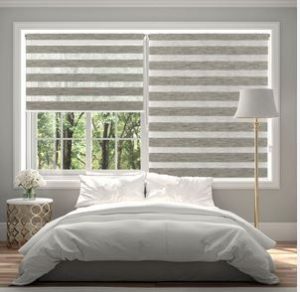
What Are Window Blinds?
Window blinds are coverings designed for windows, usually made of slats or panels that can be adjusted to control light and privacy. Unlike curtains, blinds offer precise control through tilting, raising, or lowering mechanisms. They are available in a wide range of materials, styles, and colors, catering to diverse preferences and functional requirements.
Whether you’re looking to enhance the decor of a living room or create a dark environment for a home theater, window blinds are a versatile solution. Let’s dive into the most popular types of window blinds available today.
Types of Window Blinds
1. Venetian Blinds
Venetian blinds are timeless classics, featuring horizontal slats that can be tilted for light control and privacy. These blinds are available in various materials, including aluminum, wood, and PVC.
Key Features: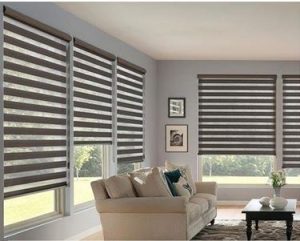
- Adjustable slats for precise light control
- Easy to clean and maintain
- Wide range of materials and finishes
Popular Uses: Ideal for offices, kitchens, and modern living spaces.
2. Faux Wood Blinds (PVC Blinds)
Faux wood blinds are made from polyvinyl chloride (PVC) and mimic the appearance of real wood. They are durable, affordable, and resistant to moisture.
Advantages:
- Budget-friendly alternative to real wood
- Waterproof and UV-resistant
- Suitable for high-humidity areas like bathrooms and kitchens
Drawbacks: Their heavier weight can make them less suitable for large windows.
3. Composite Blinds
Composite blinds combine wood fibers and polymers, offering the natural look of wood with enhanced durability. They are coated with a smooth finish, making them resistant to moisture and sunlight.
Benefits:
- Durable and moisture-resistant
- Affordable compared to real wood
- Available in a variety of wood tones and white finishes
Applications: Great for spaces like bathrooms, kitchens, or sunny rooms.
4. Real Wood Blinds
Made from natural hardwoods such as basswood, real wood blinds exude elegance and sophistication. They are lightweight and easy to operate, even for larger windows.
Why Choose Wood Blinds?
- Luxurious, natural appearance
- Customizable with stains and paints
- Lightweight and easy to use
Considerations: They are prone to warping and fading in high-moisture or intense sunlight conditions.
5. Roller Blinds
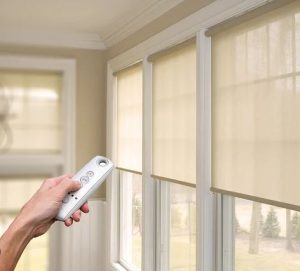
Roller blinds feature a single piece of fabric that can be rolled up or down using a cord or motorized system. These blinds are sleek and space-saving.
Advantages:
- Ideal for minimalist and modern interiors
- Available in blackout and light-filtering options
- Easy to operate, with motorized options for convenience
How to Choose the Right Window Blinds
Selecting the perfect blinds depends on several factors, including your specific needs, style preferences, and budget. Here are some key considerations:
1. Light Control
- For adjustable light control, opt for Venetian or vertical blinds.
- Blackout blinds are perfect for bedrooms or home theaters.
2. Privacy
- Cellular and roller blinds offer excellent privacy.
- Faux wood and Venetian blinds provide adjustable privacy levels.
3. Room Type
- Bathrooms and kitchens: Moisture-resistant options like PVC or composite blinds.
- Living rooms and bedrooms: Choose wood or fabric blinds for a cozy feel.
4. Maintenance
- Faux wood and aluminum blinds are easy to clean with a damp cloth.
- Fabric blinds may require professional cleaning to maintain their look.
5. Budget
- Affordable: Faux wood and aluminum blinds
- Premium: Real wood and custom-designed blinds
Benefits of Window Blinds
1. Energy Efficiency
Window blinds help regulate indoor temperatures, reducing energy consumption. Cellular blinds are particularly effective at insulating your home, keeping it warm in winter and cool in summer.
2. Enhanced Privacy
Blinds create a barrier between your home and the outside world, ensuring a sense of security.
3. UV Protection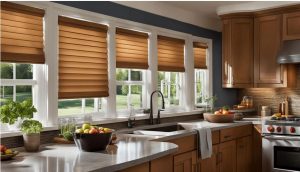
High-quality blinds block harmful UV rays, protecting furniture, flooring, and artwork from fading.
4. Style and Versatility
With countless designs, colors, and materials, blinds can complement any decor, from rustic to ultra-modern.
5. Durability
Advanced materials like composite and faux wood are built to withstand daily wear and tear, making them a long-lasting investment.
Tips for Maintaining Window Blinds
Proper care extends the lifespan of your blinds. Follow these maintenance tips:
- Faux Wood and Composite Blinds: Wipe with a damp cloth to remove dust and grime.
- Real Wood Blinds: Dust regularly with a soft cloth; avoid water or harsh chemicals.
- Aluminum and Venetian Blinds: Use a vacuum with a brush attachment for quick cleaning.
- Fabric Blinds: Spot clean with a fabric-safe solution or hire professionals for deep cleaning.
Conclusion
Window blinds are an excellent choice for enhancing the functionality and aesthetics of your space. Whether you prefer the classic charm of wood, the affordability of faux wood, or the modern appeal of roller blinds, there is a perfect option for every taste and budget. By considering factors like light control, privacy, and room type, you can make an informed decision that aligns with your needs.
With proper care, your blinds will not only improve the look of your home but also provide comfort and convenience for years to come. Explore your options and transform your living space with the ideal window blinds today.
The Origins of High Definition Video