
 By admin

Air Travel Booking Options: The Complete Guide to Choosing the Best Way to Reserve Your Flight
Introduction
Air travel has become one of the most convenient and efficient ways to explore the world, whether for business, leisure, education, or family visits. Thanks to rapid advancements in digital technology, travelers today have far more booking options than ever before. From online travel agencies and airline websites to mobile apps, travel consultants, and customer service call centers, each booking method offers unique advantages depending on your travel preferences, budget, and flexibility.
Modern travelers are no longer limited to purchasing tickets through traditional travel agencies. Instead, they can compare hundreds of airlines, monitor fare fluctuations, receive instant price alerts, select preferred seats, purchase travel insurance, and even customize their journey within minutes using a smartphone or computer.
However, having multiple booking options also raises an important question: Which method offers the best value, security, flexibility, and convenience?
This comprehensive guide explores every major airline booking option available today, comparing their benefits, drawbacks, costs, and ideal use cases. Whether you’re planning a domestic getaway, an international vacation, or a business trip, understanding your booking choices can help you save money, avoid common mistakes, and enjoy a smoother travel experience.
Understanding Today’s Airline Booking Landscape
The airline industry has evolved dramatically over the past decade. Artificial intelligence, dynamic pricing algorithms, mobile technology, and personalized travel services have transformed how tickets are purchased.
Today’s travelers can book flights through:
- Online Travel Agencies (OTAs)
- Airline official websites
- Airline mobile applications
- Telephone reservations
- Traditional travel agencies
- Corporate travel management services
- Airport ticket counters
- Credit card travel portals
- Loyalty program booking platforms
Each booking channel serves different traveler needs and offers varying levels of flexibility, pricing, customer support, and additional services.
Booking Flights Through Online Travel Agencies (OTAs)
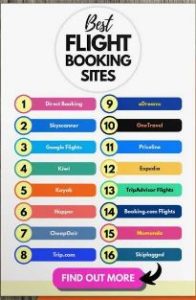
One of the most popular booking methods involves using online travel agencies such as Expedia, Booking.com, Kayak, Skyscanner, Priceline, or Travelocity.
These platforms search hundreds of airlines simultaneously and display multiple fare options.
How Online Travel Agencies Work
Travelers simply enter:
- Departure airport
- Destination
- Travel dates
- Number of passengers
- Cabin class
Within seconds, the platform compares flights across numerous airlines and presents the most suitable options.
Advantages of Online Travel Agencies
Easy Price Comparison
Perhaps the greatest advantage is the ability to compare multiple airlines at once.
Instead of visiting ten airline websites individually, travelers can instantly compare:
- Ticket prices
- Flight durations
- Layovers
- Baggage policies
- Departure times
- Arrival schedules
This saves both time and money.
Access to Exclusive Deals
Many online booking websites negotiate discounted fares unavailable elsewhere.
These may include:
- Flash sales
- Student discounts
- Vacation packages
- Flight and hotel bundles
- Family travel promotions
Bundling services often results in significant savings.
Flexible Search Tools
Modern booking engines include advanced filters such as:
- Non-stop flights only
- Maximum layover time
- Preferred airlines
- Cheapest month to travel
- Flexible departure dates
These features help travelers identify the best value.
Price Alerts
Many platforms now allow users to receive notifications when airfare changes.
This feature enables travelers to purchase tickets at lower prices when fares decrease.
Disadvantages of Online Travel Agencies
Despite their convenience, there are limitations.
Customer Service Can Be Complex
If flights are delayed, canceled, or modified, passengers often need to contact the travel agency instead of the airline.
This additional communication layer may increase waiting times.
Change and Cancellation Fees
Some agencies charge administrative fees for:
- Ticket changes
- Refund requests
- Name corrections
Always review cancellation policies carefully before purchasing.
Additional Service Charges
Although many platforms advertise competitive prices, optional fees for baggage, seat selection, or booking services may increase the total cost.
Booking Directly Through Airline Websites
Many experienced travelers prefer booking directly through an airline’s official website.
Major airlines continuously improve their digital platforms, offering secure and user-friendly booking experiences.
Why Booking Directly Is Becoming More Popular
Airlines increasingly encourage direct bookings by offering exclusive incentives.
Benefits may include:
- Lower administrative fees
- Better customer support
- Easier flight modifications
- Loyalty rewards
- Early access to promotions
Advantages
Greater Booking Security
Purchasing directly from the airline minimizes communication issues during schedule changes.
If disruptions occur, the airline can often assist immediately.
Loyalty Program Benefits
Frequent flyers usually earn:
- Airline miles
- Reward points
- Elite status credits
- Complimentary upgrades
- Priority boarding
These benefits may not always be available when booking through third-party websites.
Better Flight Management
Passengers can easily:
- Change seats
- Purchase baggage
- Upgrade cabins

- Modify meals
- Add travel extras
Everything is managed through one account.
Direct Customer Support
When unexpected situations arise, airlines generally prioritize passengers who booked directly.
Possible Disadvantages
Limited Price Comparison
One airline website only displays its own flights.
Travelers must manually compare multiple airlines to determine the best fare.
Time-Consuming Research
Visiting several airline websites individually requires more effort than using a comparison platform.
Using Airline Mobile Apps
Mobile applications have become one of the fastest-growing booking methods.
Most airlines now offer apps featuring:
- Flight booking
- Mobile boarding passes
- Real-time notifications
- Flight status updates
- Gate changes
- Baggage tracking
Benefits
Mobile apps provide convenience throughout the travel journey.
Travelers can:
- Book flights anytime
- Check in instantly
- Store digital boarding passes
- Receive delay notifications
Many airlines also provide exclusive mobile-only discounts.
Drawbacks
Some travelers may find mobile screens less convenient when comparing multiple travel options.
Booking Flights by Telephone
Although online booking dominates today’s travel market, telephone reservations remain available.
Many airlines maintain dedicated reservation centers.
Advantages
Telephone booking is particularly useful for:
- Senior travelers
- Complex itineraries
- Special assistance requests
- Multi-city journeys
- Travelers uncomfortable with online transactions
Representatives can answer questions immediately.
Personalized Assistance
Agents help with:
- Fare explanations
- Baggage rules
- Visa requirements
- Seat availability
- Travel policies
This personalized service offers reassurance for many customers.
Disadvantages
Telephone booking may involve:
- Long waiting times
- Limited operating hours
- Service fees
- Language barriers
During busy travel seasons, hold times can become lengthy.
Traditional Travel Agencies
Despite digital innovation, physical travel agencies continue serving many travelers.
Professional travel advisors remain valuable for complicated itineraries.
When Travel Agencies Are Most Useful
Travel agencies excel in arranging:
- International vacations
- Luxury travel
- Honeymoons
- Group tours
- Cruises
- Business conferences
Expert Knowledge
Experienced travel consultants often possess extensive destination knowledge and can recommend:
- Visa requirements
- Local transportation
- Insurance
- Accommodation
- Seasonal travel advice
Emergency Support
If problems occur during travel, agencies frequently assist with:
- Flight changes
- Hotel issues
- Emergency rebooking
This personal support can reduce travel stress.
Potential Drawbacks
Travel agencies may charge consultation or booking fees, making simple trips more expensive than self-booking online.
Airport Ticket Counters
Some travelers still purchase tickets directly at airports.
Although possible, this method is generally recommended only for last-minute travel.
Advantages
Airport booking allows travelers to:
- Speak directly with airline staff
- Resolve documentation issues
- Purchase immediate departures
Disadvantages
Airport fares are often higher due to limited availability.
Long queues may also occur during peak travel periods.
Booking Through Credit Card Travel Portals
Many premium credit cards provide travel booking platforms.
These portals frequently offer:
- Reward point redemption
- Cashback
- Travel insurance
- Exclusive discounts
Benefits
Travel rewards programs may significantly reduce travel costs.
Some cards also include:
- Lounge access
- Priority security
- Trip interruption protection
Drawbacks
Available flight choices may be more limited compared to independent booking websites.
Corporate Travel Booking Systems
Business travelers often book through company-approved travel management platforms.
Advantages include:
- Policy compliance
- Expense reporting
- Negotiated corporate fares
- Centralized booking management
Important Factors to Compare Before Booking
Regardless of the booking method, travelers should evaluate several critical factors.
Ticket Price
The cheapest ticket isn’t always the best value.
Consider:
- Baggage fees
- Seat selection charges
- Meal costs
- Change penalties
Flight Schedule
Sometimes paying slightly more for a direct flight saves hours of travel time.
Cancellation Policy
Flexible tickets may cost more initially but save money if plans change.
Customer Support
Reliable customer service becomes invaluable during disruptions.
Refund Options
Always understand:
- Refund eligibility
- Credit voucher policies
- Change fees
Tips for Finding the Lowest Airfare
Smart travelers use several proven strategies.
Book Early
International flights generally offer better prices when booked several months in advance.
Be Flexible
Traveling:
- Midweek
- During off-peak seasons
- Outside holidays
often results in lower fares.
Use Fare Comparison Tools
Comparing airlines before booking can produce significant savings.
Enable Price Alerts
Automated notifications help identify fare drops.
Consider Nearby Airports
Flying from alternative airports sometimes reduces ticket costs substantially.
Join Airline Loyalty Programs
Frequent travelers benefit from accumulating miles that can later be redeemed for free flights or upgrades.
Avoiding Common Airline Booking Mistakes
Many travelers unintentionally increase travel costs.
Common mistakes include:
Ignoring Baggage Policies
Low-cost airlines often charge separately for checked luggage.
Misspelling Passenger Names
Even small spelling errors can result in costly corrections.
Waiting Too Long
Airfare generally increases as departure dates approach.
Forgetting Passport Expiration Rules
Many countries require passports to remain valid for at least six months beyond travel dates.
Skipping Travel Insurance
Unexpected illness, weather disruptions, or emergencies may justify purchasing travel protection.
The Growing Role of Artificial Intelligence in Flight Booking
Artificial intelligence is transforming travel planning.
Modern booking platforms now provide:
- Personalized recommendations
- Fare predictions
- Smart itinerary suggestions
- Automated customer service
- Dynamic pricing analysis
Machine learning algorithms analyze millions of historical fares to estimate whether prices are likely to increase or decrease.
Sustainable Air Travel and Eco-Friendly Booking
Environmental awareness has become increasingly important.
Many booking platforms now display:
- Carbon emission estimates
- Fuel-efficient aircraft
- Sustainable aviation fuel initiatives
- Carbon offset programs
Eco-conscious travelers can compare flights based on environmental impact in addition to ticket price.
Future Trends in Airline Reservations
The future of airline booking will likely include:
Voice Booking
Virtual assistants will increasingly enable hands-free reservations.
Biometric Travel
Facial recognition will simplify airport check-in and boarding.
Personalized Pricing
Artificial intelligence will continue customizing offers based on traveler preferences.
Integrated Travel Ecosystems
Future booking platforms may seamlessly combine flights, hotels, transportation, insurance, activities, and digital travel documents within a single reservation.
Choosing the Best Booking Method for Your Needs
There is no universal booking method that suits every traveler.
If finding the lowest fare is your priority, comparison websites are often an excellent starting point.
If flexibility, loyalty rewards, and direct customer service matter most, booking directly through an airline is usually the better option.
Travel agencies remain valuable for complex international itineraries, luxury vacations, and travelers seeking personalized assistance.
Meanwhile, mobile applications offer unmatched convenience before and during travel.
Ultimately, the best strategy often combines multiple methods: compare prices through travel search engines, verify offers on the airline’s official website, and choose the booking channel that provides the best balance of price, flexibility, and support.
Conclusion
Booking an airline ticket has never been easier, yet making the right choice requires more than simply selecting the lowest advertised fare. Today’s travelers have access to an impressive variety of booking channels, each designed to meet different needs and travel styles. Online travel agencies simplify price comparisons, airline websites provide direct communication and loyalty benefits, mobile apps offer convenience on the go, and travel professionals continue to deliver expert guidance for complex itineraries.
Before finalizing any reservation, travelers should compare not only ticket prices but also baggage allowances, cancellation policies, customer support quality, and additional fees. Taking a few extra minutes to evaluate these factors can prevent unnecessary expenses and travel frustrations later.
As technology continues to reshape the aviation industry through artificial intelligence, biometric identification, and sustainable travel initiatives, booking flights will become even more personalized, efficient, and secure. By understanding every available booking option and using smart planning strategies, travelers can enjoy lower costs, greater flexibility, and a smoother journey from departure to destination.
The Global Metropolis Driving China’s Future