
 By admin

Renewable Fuels for Alternative Energy: Powering a Sustainable Future Through Clean Energy Innovation
Introduction
As the world confronts the interconnected challenges of climate change, environmental degradation, energy insecurity, and rising global energy demand, renewable fuels have emerged as one of the most promising solutions for building a sustainable future. Governments, businesses, researchers, and consumers are increasingly investing in renewable energy technologies that reduce greenhouse gas emissions while providing reliable, affordable, and domestically produced sources of power.
Renewable fuels differ from conventional fossil fuels because they originate from naturally replenished resources rather than finite reserves of coal, oil, and natural gas. These fuels include biofuels, green hydrogen, renewable natural gas, biogas, sustainable aviation fuels, geothermal energy, solar-generated electricity, wind power, and other low-carbon alternatives. Their widespread adoption is transforming transportation, electricity generation, industrial production, and residential energy consumption.
Countries around the globe are racing to accelerate the clean energy transition. Germany has become a global pioneer through ambitious renewable energy policies, while the United States continues expanding investments in biofuels, geothermal technology, advanced battery storage, hydrogen production, and carbon-neutral transportation. At the same time, emerging economies are increasingly embracing renewable fuels to reduce dependence on imported fossil fuels and strengthen energy security.
Today, renewable fuels are no longer viewed as experimental technologies. They represent a rapidly expanding global industry worth hundreds of billions of dollars annually, creating millions of jobs while helping nations meet international climate commitments. Continuous innovation in biotechnology, artificial intelligence, energy storage, carbon capture, and smart electrical grids is making renewable fuels more efficient, more affordable, and more accessible than ever before.
This article explores the latest developments in renewable fuels, examines leading technologies, highlights successful international initiatives, discusses economic and environmental benefits, and looks ahead to the future of alternative energy.
Understanding Renewable Fuels
What Are Renewable Fuels?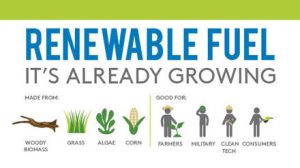
Renewable fuels are energy sources produced from materials or natural processes that can be replenished over relatively short periods. Unlike fossil fuels, which require millions of years to form, renewable fuels originate from continuously available resources such as sunlight, wind, plants, organic waste, agricultural residues, geothermal heat, and water.
Examples include:
- Bioethanol
- Biodiesel
- Renewable diesel
- Sustainable aviation fuel (SAF)
- Green hydrogen
- Biogas
- Renewable natural gas
- Geothermal energy
- Wind-generated electricity
- Solar energy
The primary objective of renewable fuels is to reduce greenhouse gas emissions while providing dependable and economically viable energy.
Why Renewable Fuels Matter
Addressing Climate Change
Burning fossil fuels remains the largest contributor to carbon dioxide emissions worldwide. Renewable fuels significantly reduce lifecycle carbon emissions because many of them recycle carbon already present within natural ecosystems instead of releasing carbon stored underground for millions of years.
Replacing fossil fuels with renewable alternatives helps nations achieve carbon neutrality and meet international climate goals.
Additional environmental benefits include:
- Reduced air pollution
- Improved public health
- Lower particulate emissions
- Less acid rain
- Reduced water contamination
- Better ecosystem preservation
Germany: A Global Renewable Energy Leader
Germany has long demonstrated how strong government policies can accelerate renewable energy adoption.
One of its most influential initiatives has been the Renewable Energy Sources Act (EEG), which introduced feed-in tariffs that encouraged homeowners, farmers, and businesses to install renewable energy systems.
How Feed-In Tariffs Work
Under these policies, renewable energy producers can:
- Generate electricity from renewable sources.
- Connect directly to the national electricity grid.
- Sell excess electricity back to utility companies.
- Receive guaranteed payments for renewable electricity supplied to the grid.
These incentives dramatically accelerated private investment in renewable energy infrastructure.
Germany’s Renewable Energy Success
Germany has invested heavily in:
Solar Energy
Millions of photovoltaic panels have been installed across residential rooftops, commercial buildings, and solar farms.
Modern solar technology now delivers:
- Higher efficiency
- Longer lifespan
- Lower installation costs
- Smart monitoring systems
Solar power supplies a substantial portion of Germany’s daytime electricity during sunny months.
Wind Power
Germany possesses one of Europe’s largest wind energy fleets.
Both:
- Onshore wind farms
- Offshore wind farms
contribute significant electricity generation while creating thousands of skilled jobs.
Modern offshore turbines generate several megawatts of power each and continue becoming more efficient.
Biogas Plants
Germany also leads the world in biogas production.
Organic materials including:
- Animal manure
- Food waste
- Agricultural residues
- Energy crops
are converted into methane-rich gas through anaerobic digestion.
Biogas can then generate:
- Electricity
- Heat
- Renewable natural gas
This process simultaneously reduces landfill waste and methane emissions.
The United States and Renewable Fuel Innovation
The United States has significantly expanded renewable energy investments over the past decade.
Federal agencies, universities, and private companies continue developing cleaner technologies that improve energy security while reducing emissions.
Key investment areas include:
- Advanced biofuels
- Hydrogen production
- Carbon capture
- Offshore wind
- Solar farms
- Battery storage
- Electric transportation
- Geothermal systems
Biofuels: Powering Transportation Sustainably
Biofuels remain one of the most practical renewable fuel solutions because they integrate with existing transportation infrastructure.
Types of Biofuels
Bioethanol
Produced mainly from:
- Corn
- Sugarcane
- Wheat
- Agricultural waste
Bioethanol is blended with gasoline to reduce emissions.
Biodiesel
Manufactured from:
- Vegetable oils
- Animal fats
- Used cooking oil
Biodiesel burns cleaner than petroleum diesel while requiring minimal engine modifications.
Renewable Diesel
Unlike biodiesel, renewable diesel is chemically similar to petroleum diesel.
Advantages include:
- Higher fuel quality
- Better cold-weather performance
- Lower emissions
- Full compatibility with diesel engines
Sustainable Aviation Fuel (SAF)
Air travel remains difficult to electrify.
Sustainable aviation fuels are produced from:
- Waste oils

- Agricultural residues
- Forestry waste
- Municipal waste
- Synthetic fuels
SAF can reduce aviation emissions by up to 80% across its lifecycle.
Advanced Biofuel Research
Modern research has moved beyond traditional crops.
Scientists now investigate:
Algae-Based Biofuels
Algae produce oils far more efficiently than conventional crops.
Advantages include:
- High oil yields
- Minimal freshwater use
- Growth on non-arable land
- Carbon dioxide absorption
Cellulosic Biofuels
Instead of edible crops, these fuels use:
- Corn stalks
- Wheat straw
- Wood chips
- Forestry residues
This avoids competition with food production while utilizing agricultural waste.
Genetic Engineering and Energy Crops
Universities worldwide continue improving dedicated energy crops through biotechnology.
Research focuses on plants that:
- Grow rapidly
- Require less fertilizer
- Resist drought
- Produce higher biomass
- Generate more usable sugars
These innovations lower production costs while improving fuel efficiency.
Geothermal Energy: Earth’s Hidden Powerhouse
Geothermal energy remains one of the most underutilized renewable resources.
Unlike solar and wind, geothermal energy operates continuously regardless of weather conditions.
How Geothermal Energy Works
Heat stored beneath Earth’s surface heats underground water.
This heat produces steam that drives turbines connected to electrical generators.
Some geothermal systems also provide:
- Building heating
- Industrial process heat
- Greenhouse heating
- District heating systems
Advantages of Geothermal Energy
Geothermal energy offers several remarkable benefits.
Reliable Baseload Power
It operates 24 hours a day.
Low Emissions
Greenhouse gas emissions remain extremely low.
Small Land Footprint
Facilities occupy relatively little land.
Stable Energy Prices
Fuel costs remain nearly zero once facilities are operational.
Long Facility Lifespan
Many geothermal plants operate for decades.
The Expanding Potential of Enhanced Geothermal Systems
Traditional geothermal plants require naturally occurring underground reservoirs.
Enhanced Geothermal Systems (EGS) overcome this limitation by creating artificial reservoirs within hot underground rock formations.
This technology could dramatically expand geothermal energy availability worldwide.
Green Hydrogen: The Fuel of the Future
Green hydrogen is rapidly becoming a cornerstone of future clean energy systems.
Unlike conventional hydrogen, green hydrogen is produced through electrolysis powered by renewable electricity.
Applications include:
- Heavy industry
- Steel production
- Fertilizer manufacturing
- Shipping
- Aviation
- Long-term energy storage
Hydrogen may eventually become one of the world’s most important renewable fuels.
Renewable Natural Gas
Renewable Natural Gas (RNG) is produced by capturing methane from:
- Landfills
- Wastewater treatment plants
- Dairy farms
- Agricultural waste
Instead of allowing methane to escape into the atmosphere, RNG converts it into valuable energy.
Renewable Fuels and Circular Economy
Renewable fuels strongly support circular economy principles.
Waste products become valuable resources instead of environmental liabilities.
Examples include:
- Food waste becoming biogas
- Used cooking oil becoming biodiesel
- Crop residues becoming ethanol
- Landfill methane becoming renewable gas
This approach simultaneously reduces waste and generates clean energy.
Economic Benefits of Renewable Fuels
Renewable energy investment stimulates economic growth in multiple ways.
Job Creation
The renewable energy sector creates employment in:
- Engineering
- Manufacturing
- Construction
- Agriculture
- Maintenance
- Scientific research
- Software development
Millions of clean energy jobs continue emerging globally.
Energy Independence
Domestic renewable fuels reduce dependence on imported oil and gas.
Countries improve:
- National security
- Trade balances
- Price stability
- Supply resilience
Rural Development
Farmers benefit by producing biomass crops and supplying agricultural waste for biofuel production.
Additional revenue streams strengthen rural economies.
Technological Innovations Accelerating Renewable Fuels
Emerging technologies continue improving renewable fuel efficiency.
These include:
Artificial Intelligence
AI optimizes:
- Wind farm output
- Solar forecasting
- Grid management
- Biofuel production
- Predictive maintenance
Smart Grids
Modern electrical grids intelligently balance renewable electricity generation and consumer demand.
Smart grids improve:
- Reliability
- Efficiency
- Grid stability
- Energy storage integration
Battery Storage
Large-scale batteries solve one of renewable energy’s greatest challenges—intermittency.
Stored electricity can be used during:
- Cloudy weather
- Calm wind conditions
- Evening demand peaks
Challenges Facing Renewable Fuels
Despite remarkable progress, several obstacles remain.
Infrastructure Costs
Building renewable infrastructure requires substantial initial investment.
However, operating costs generally decline over time.
Energy Storage
Although battery technology improves rapidly, affordable long-duration storage remains an important research priority.
Grid Modernization
Many electrical grids require upgrades to accommodate decentralized renewable energy generation.
Land Use
Some biofuel crops compete with food production.
Advanced biofuels increasingly utilize waste materials to minimize this concern.
Public Policy
Stable government policies encourage long-term private investment.
Frequent policy changes create uncertainty that can delay renewable energy projects.
International Cooperation
Global collaboration accelerates renewable energy innovation.
Organizations and governments increasingly cooperate on:
- Technology sharing

- Climate agreements
- Joint research
- Sustainable finance
- Green hydrogen corridors
- Renewable energy standards
International partnerships help developing countries adopt affordable clean energy technologies.
The Future of Renewable Fuels
Renewable fuels will play an increasingly central role in achieving global sustainability.
Several major trends are expected over the coming decades:
Expansion of green hydrogen production
Rapid growth of sustainable aviation fuels
Commercial deployment of advanced geothermal systems
Increased use of artificial intelligence in energy management
Larger battery storage installations
Carbon-neutral industrial manufacturing
Greater electrification of transportation
Continued reductions in renewable energy costs
As innovation continues, renewable fuels will become even more competitive with conventional fossil fuels, accelerating the global transition toward cleaner energy systems.
Conclusion
Renewable fuels have evolved from promising alternatives into essential components of the global energy landscape. Advances in biofuels, geothermal energy, solar power, wind energy, renewable natural gas, and green hydrogen are reshaping how societies generate, distribute, and consume energy. Countries such as Germany have demonstrated that supportive public policies, long-term investment, and collaboration between governments, industry, and research institutions can rapidly expand renewable energy adoption. Meanwhile, ongoing innovation in the United States and many other nations continues to unlock new opportunities for cleaner transportation, more resilient power grids, and lower-carbon industrial processes.
Although challenges such as infrastructure investment, energy storage, and grid modernization remain, technological progress is steadily overcoming these barriers. Artificial intelligence, advanced biotechnology, enhanced geothermal systems, and next-generation battery technologies are making renewable fuels more efficient, affordable, and scalable than ever before. At the same time, the growing emphasis on circular economy principles ensures that waste materials can be transformed into valuable sources of clean energy, reducing environmental impacts while creating new economic opportunities.
The transition toward renewable fuels is not merely an environmental necessity—it is also an economic and strategic opportunity. By embracing clean energy technologies, nations can strengthen energy security, create high-quality jobs, foster innovation, and improve public health through cleaner air and reduced greenhouse gas emissions. As governments, businesses, and communities continue working together, renewable fuels will remain at the heart of a more sustainable, resilient, and prosperous global energy future.