
 By admin
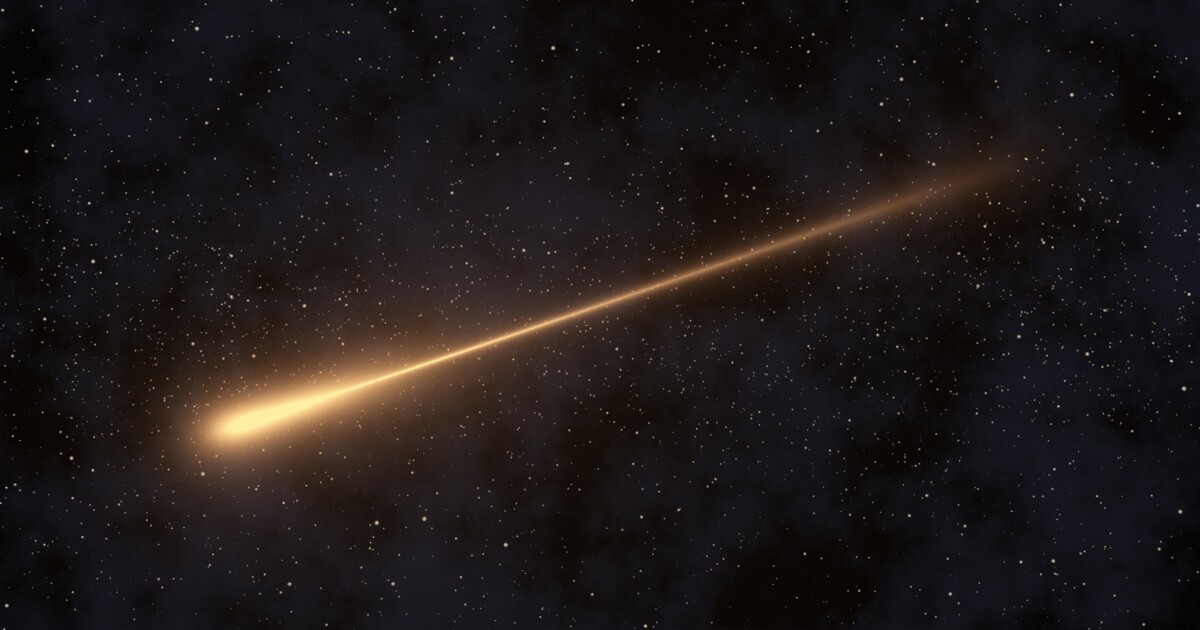
Shooting Stars: Understanding Meteor Showers and the Spectacular Fireworks of the Night Sky
Introduction
For countless generations, humanity has looked toward the night sky with a mixture of curiosity, wonder, and imagination. Among the most captivating celestial events visible to the naked eye are shooting stars—those brief streaks of light that flash across the darkness and disappear in an instant. Many people remember the first time they witnessed a meteor streaking overhead, leaving behind a glowing trail that seemed almost magical. For some, that moment sparked a lifelong fascination with astronomy and space exploration.
Throughout history, shooting stars have inspired myths, legends, and superstitions. Ancient cultures often interpreted these celestial flashes as messages from the gods, signs of good fortune, or omens of significant events. Even today, many people make wishes upon seeing a shooting star, continuing a tradition that spans centuries.
Modern astronomy, however, has revealed the true nature of these fascinating phenomena. Shooting stars are not stars at all. Instead, they are tiny fragments of cosmic material entering Earth’s atmosphere at extraordinary speeds, producing brilliant displays of light. Understanding meteor showers not only enhances our appreciation of these events but also offers valuable insights into the dynamic processes occurring throughout our solar system.
This article explores the science behind shooting stars, the origins of meteoroids, the formation of meteor showers, famous annual meteor events, and practical tips for observing these stunning displays.
What Exactly Is a Shooting Star?
The Difference Between Meteoroids, Meteors, and Meteorites
One of the most common misconceptions in astronomy is the term “shooting star.” Although widely used, it is scientifically inaccurate because the object being observed is not a star.
Astronomers use three related terms to describe these objects:
Meteoroid
A meteoroid is a small rocky or metallic object traveling through space. These objects range in size from tiny dust particles to larger fragments several meters across.
Meteor
When a meteoroid enters Earth’s atmosphere and begins to burn due to intense friction and compression of atmospheric gases, it creates a bright streak of light known as a meteor.
This glowing trail is what people commonly call a shooting star.
Meteorite
If part of the meteoroid survives its fiery journey through the atmosphere and reaches the Earth’s surface, the remaining fragment is called a meteorite.
Understanding these distinctions helps explain the lifecycle of these fascinating celestial visitors.
Where Do Meteoroids Come From?
Debris Left Behind by Comets
Most meteoroids originate from comets.
Comets are often described as “dirty snowballs” because they consist of ice, dust, rock, and frozen gases. As a comet approaches the Sun, solar radiation heats its surface, causing ice to vaporize and release dust and rocky particles into space.
This process creates the comet’s famous tail, which can stretch millions of kilometers across the solar system.
Over time, enormous quantities of debris are left behind along the comet’s orbital path. When Earth passes through one of these debris streams, the particles enter our atmosphere and create a meteor shower.
Fragments from Asteroids
Not all meteoroids come from comets. Some originate from asteroids.
Asteroids occasionally collide with one another in the asteroid belt located between Mars and Jupiter. These collisions produce countless fragments that may eventually travel into Earth’s orbital path.
When these fragments encounter our atmosphere, they become meteors.
The Incredible Speed of Shooting Stars
Why Meteors Appear So Bright
One of the most remarkable characteristics of meteors is their speed.
Meteoroids typically enter Earth’s atmosphere at velocities ranging from approximately 11 kilometers per second to over 72 kilometers per second. To put this into perspective, some meteors travel more than 100 times faster than a speeding bullet.
At such extreme speeds, the air in front of the meteoroid becomes highly compressed and heated. This intense heat causes both the meteoroid and surrounding atmospheric gases to glow brightly.
The resulting flash of light can often be seen from hundreds of kilometers away.
The Role of Atmospheric Friction
Contrary to popular belief, meteors do not burn solely because of friction.
The primary heating mechanism is atmospheric compression. As the meteoroid plows through the atmosphere, air molecules are compressed so rapidly that temperatures rise dramatically, causing the meteoroid’s surface to vaporize.
This process is known as ablation.
The glowing plasma trail created during ablation produces the familiar streak of light seen from Earth.
Meteor Showers: Nature’s Celestial Fireworks
What Is a Meteor Shower?
A meteor shower occurs when Earth passes through a concentrated stream of meteoroid debris left behind by a comet or asteroid.
Instead of seeing a few isolated meteors throughout the night, observers may witness dozens or even hundreds of meteors per hour.
Meteor showers are among the most anticipated astronomical events because they are predictable and visible without specialized equipment.
Why Meteors Appear to Come from One Location
During a meteor shower, all meteors seem to originate from a specific point in the sky called the radiant.
This is an optical illusion similar to railroad tracks appearing to converge in the distance.
Although the meteoroids travel along parallel paths, perspective makes them appear to radiate from a single point.
The radiant is usually located within or near a specific constellation.
This characteristic gives each meteor shower its name.
Famous Annual Meteor Showers
The Perseids
The Perseid meteor shower is one of the most popular and reliable meteor showers each year.
Key Characteristics
- Peaks in August
- Originates from Comet Swift-Tuttle
- Produces up to 100 meteors per hour
- Known for bright fireballs
The radiant is located near the constellation Perseus, giving the shower its name.
The Leonids
The Leonid meteor shower is famous for producing spectacular meteor storms.
Historical Significance
In certain years, observers have reported thousands of meteors per hour during Leonid storms.
The Leonids originate from Comet Tempel-Tuttle and appear to radiate from the constellation Leo.
The Geminids
Unlike most meteor showers, the Geminids originate from an asteroid rather than a comet.
Why Astronomers Love the Geminids
- Extremely bright meteors
- Reliable annual activity
- Peak in December
- Often produces over 120 meteors per hour
The radiant lies within the constellation Gemini.
The Quadrantids
Although less famous than the Perseids or Geminids, the Quadrantids can produce an impressive number of meteors during their short peak period in January.
Their activity window is brief but intense, making them a favorite among experienced skywatchers.
Fireballs and Bolides: The Most Dramatic Meteors
What Is a Fireball?
A fireball is an exceptionally bright meteor that shines brighter than the planet Venus.
These brilliant meteors often attract widespread public attention and may even be visible during daylight hours.
Understanding Bolides
A bolide is a fireball that explodes in the atmosphere.
The explosion can create:
- Brilliant flashes of light
- Sonic booms
- Fragmentation events
- Persistent glowing trails
Witnessing a bolide is one of the most exciting experiences available to amateur astronomers.
Because they are relatively rare, reports of bolides often generate significant scientific interest.
How Much Space Material Reaches Earth?
A Constant Cosmic Bombardment
Many people imagine meteor activity as rare, but Earth is continuously bombarded by material from space.
Scientists estimate that tens of thousands of tons of cosmic dust and debris enter Earth’s atmosphere every year.
Fortunately, most incoming particles are extremely small and burn up completely before reaching the surface.
This natural process has been occurring throughout Earth’s history and poses little threat to daily life.
Earth’s Protective Atmosphere
Our atmosphere acts as a giant protective shield.
Without it, Earth would experience frequent impacts from meteoroids large enough to cause substantial damage.
The atmosphere safely destroys the overwhelming majority of incoming space debris long before it can reach the ground.
The Connection Between Comets and Meteor Showers
Cosmic Trails Left Behind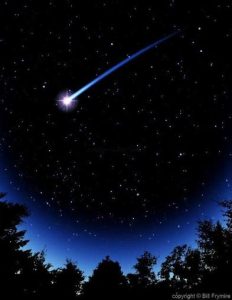
Each time a comet passes near the Sun, it sheds vast quantities of dust and debris.
These particles continue orbiting the Sun along paths similar to the comet’s orbit.
Over centuries, these debris streams become distributed along enormous sections of space.
When Earth’s orbit intersects one of these streams, meteor activity increases dramatically.
Why Meteor Showers Occur at the Same Time Every Year
Meteor showers are annual events because Earth follows the same orbital path around the Sun each year.
As a result, our planet encounters the same debris streams at predictable times.
Astronomers can therefore forecast meteor showers with remarkable accuracy, allowing observers to prepare well in advance.
How Astronomers Predict Meteor Showers
Tracking Comet Orbits
Modern astronomers use advanced computer models to track the orbital paths of comets and debris streams.
By analyzing these trajectories, scientists can estimate:
- Peak viewing dates
- Expected meteor rates
- Radiant locations
- Viewing conditions
This information helps both professional researchers and amateur stargazers plan observations.
The Importance of the Radiant
Knowing the radiant location helps observers identify meteors belonging to a specific shower.
For example:
- Leonids originate from Leo
- Perseids originate from Perseus
- Geminids originate from Gemini
Although meteors can appear across the entire sky, tracing their paths backward usually points toward the radiant.
The Scientific Value of Meteor Studies
Learning About the Early Solar System
Meteoroids are essentially time capsules from the formation of the solar system.
Many contain primitive materials that have changed little over billions of years.
Studying these particles helps scientists understand:
- Solar system formation
- Planetary evolution
- Chemical composition of early space matter
- Origins of water and organic compounds
Meteorites as Research Tools
Recovered meteorites provide valuable samples from regions of space that would otherwise be difficult to study.
Some meteorites are older than Earth itself and contain clues about events that occurred before our planet formed.
How to Observe a Meteor Shower
Find a Dark Location
Light pollution is one of the greatest obstacles to meteor observation.
For the best viewing experience:
- Travel away from city lights
- Choose rural locations
- Avoid brightly illuminated areas
Dark skies dramatically increase the number of visible meteors.
Check Weather Conditions
Clear skies are essential.
Cloud cover can completely obscure meteor activity, regardless of how active the shower may be.
Always review local weather forecasts before planning an observing session.
Allow Your Eyes to Adapt
Human eyes require approximately 20 to 30 minutes to adjust fully to darkness.
Avoid:
- Smartphone screens
- Flashlights
- Bright vehicle headlights
Dark adaptation significantly improves visibility.
Bring Comfortable Equipment
Meteor watching does not require a telescope.
In fact, telescopes limit your field of view.
Instead, consider: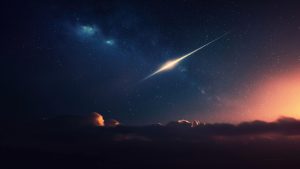
- Reclining chairs
- Blankets
- Warm clothing
- Snacks and beverages
Comfort allows longer and more enjoyable observing sessions.
The Cultural Impact of Shooting Stars
Ancient Beliefs and Legends
Throughout history, shooting stars have inspired countless stories and traditions.
Ancient civilizations often viewed meteors as:
- Divine messages
- Omens
- Spiritual signs
- Portents of change
These interpretations helped shape cultural traditions across the globe.
The Tradition of Making Wishes
The popular custom of making a wish upon seeing a shooting star remains widespread today.
While science explains the physical nature of meteors, the sense of wonder they inspire remains just as powerful.
The brief appearance of a meteor reminds us of the beauty and mystery of the universe.
Future Research and Meteor Science
Advanced Observation Networks
Modern meteor research increasingly relies on:
- Automated cameras
- Radar systems
- Satellite observations
- Artificial intelligence analysis
These technologies allow scientists to detect and track meteors with unprecedented accuracy.
Protecting Earth from Larger Objects
Although meteor showers are harmless, studying near-Earth objects helps scientists identify potentially hazardous asteroids.
This research contributes to planetary defense initiatives designed to protect Earth from future impact threats.
As observational technology improves, humanity’s ability to understand and monitor our cosmic environment continues to grow.
Conclusion
Shooting stars are among the most accessible and awe-inspiring astronomical phenomena visible from Earth. Far from being actual stars, they are tiny fragments of cosmic debris that blaze across the sky as they encounter our atmosphere at extraordinary speeds. These meteors provide a spectacular reminder that Earth exists within a dynamic and ever-changing solar system filled with comets, asteroids, and countless particles traveling through space.
Meteor showers, formed when Earth passes through ancient streams of cometary or asteroidal debris, transform the night sky into a natural fireworks display that can be enjoyed by anyone willing to look upward. Events such as the Perseids, Leonids, Geminids, and Quadrantids continue to captivate skywatchers around the world year after year.
Beyond their beauty, meteors offer valuable scientific insights into the origins and evolution of our solar system. They connect us directly to ancient cosmic processes that began billions of years ago and continue today. Whether viewed through the eyes of a scientist or an amateur stargazer, shooting stars remind us of the vastness of the universe and humanity’s enduring fascination with the mysteries that lie beyond our planet.