
 By admin

Working Your Upper Body with Aerobics: A Complete Guide to Strength, Endurance, and Fitness
Introduction
Aerobic exercise has long been recognized as one of the most effective ways to improve overall health, increase cardiovascular endurance, and maintain an active lifestyle. Millions of people around the world engage in aerobic activities such as walking, jogging, cycling, dancing, and fitness classes to enhance their physical and mental well-being. While aerobics is commonly associated with calorie burning and weight management, it also plays a crucial role in strengthening specific muscle groups, including the upper body.
Many individuals focus primarily on lower-body workouts because activities like running and walking naturally engage the legs. However, a well-designed aerobic routine can also target the arms, shoulders, chest, upper back, and core muscles. Strengthening the upper body is essential for daily activities, athletic performance, posture improvement, and injury prevention.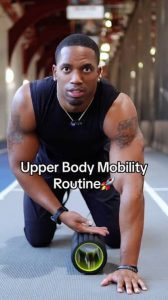
Modern fitness experts emphasize combining cardiovascular exercise with functional upper-body movements to achieve balanced fitness. Whether your goal is to tone your arms, improve muscular endurance, enhance posture, or build overall strength, aerobic exercises can be adapted to help you achieve remarkable results.
This comprehensive guide explores how aerobics can strengthen the upper body, the science behind upper-body conditioning, effective exercises, training techniques, common mistakes, and strategies for maximizing results.
Understanding the Role of the Upper Body in Fitness
Why Upper-Body Strength Matters
The upper body performs countless functions throughout the day. From lifting groceries and carrying children to typing at a computer and participating in sports, strong upper-body muscles support nearly every movement.
Key benefits of upper-body strength include:
- Improved posture
- Better athletic performance
- Increased functional fitness
- Enhanced muscular endurance
- Reduced risk of injury
- Greater independence in daily activities
- Improved body composition
A strong upper body also contributes to overall confidence and physical appearance. Toned arms, defined shoulders, and a strong back are often associated with good fitness and health.
Major Upper-Body Muscle Groups
Before designing an aerobic workout for the upper body, it is helpful to understand the major muscle groups involved.
Shoulders (Deltoids)
The shoulder muscles are responsible for lifting and rotating the arms. They play a critical role in overhead movements commonly used during aerobic workouts.
Chest (Pectoral Muscles)
The chest muscles assist with pushing movements and contribute to upper-body stability.
Back Muscles
The upper and middle back muscles help maintain posture and support pulling movements.
Biceps
Located at the front of the upper arm, the biceps assist in elbow flexion and lifting activities.
Triceps
The triceps are located at the back of the upper arm and are responsible for arm extension.
Forearms
Forearm muscles support grip strength and wrist movement.
Core Muscles
Although not traditionally considered part of the upper body, the abdominal and core muscles provide stability during upper-body exercises.
How Aerobics Benefits the Upper Body
Combining Cardio and Strength Training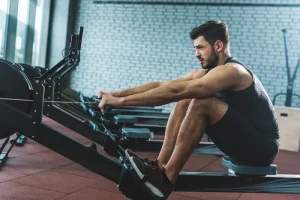
Traditional aerobic exercise focuses on maintaining an elevated heart rate. However, modern aerobic workouts often incorporate resistance-based movements that engage upper-body muscles simultaneously.
Examples include:
- Arm circles
- Punching drills
- Jumping jacks
- Shadow boxing
- Dance aerobics
- Resistance-band movements
- Weighted aerobic exercises
This combination improves both cardiovascular health and muscular endurance.
Increased Calorie Burn
Using the arms during aerobic exercise increases energy expenditure. When more muscle groups are activated, the body burns additional calories, making workouts more effective for fat loss.
Improved Muscular Endurance
Aerobic training often involves repeated movements over extended periods. This repetition improves the muscles’ ability to perform sustained work without fatigue.
Enhanced Coordination
Upper-body aerobic exercises require synchronization between the arms, legs, and core. Over time, this improves coordination, balance, and movement efficiency.
The Importance of Repetition in Upper-Body Aerobics
Why Repetitive Movements Work
One of the fundamental principles of aerobic exercise is repetition. Repeated muscle contractions stimulate muscular adaptation and endurance development.
Each time you perform a movement such as:
- Arm raises
- Shoulder presses
- Punches
- Arm swings
- Jumping jacks
the muscles experience stress and gradually become stronger.
Building Endurance Through Consistency
Unlike traditional weightlifting, aerobic upper-body training often emphasizes high repetitions rather than heavy resistance.
Benefits include:
- Improved muscle stamina
- Better circulation
- Enhanced oxygen delivery

- Reduced fatigue during daily tasks
Consistency is the key factor that determines success.
Best Aerobic Exercises for the Upper Body
Jumping Jacks
Jumping jacks remain one of the most effective full-body aerobic exercises.
Benefits
- Activates shoulders and arms
- Raises heart rate quickly
- Improves coordination
- Enhances endurance
How to Perform
- Stand with feet together.
- Jump while spreading the legs.
- Raise arms overhead.
- Return to starting position.
- Repeat continuously.
The repetitive arm movement helps strengthen shoulder muscles while improving cardiovascular fitness.
Shadow Boxing
Shadow boxing is a favorite among fitness professionals because it combines cardio and upper-body conditioning.
Benefits
- Tones arms
- Improves shoulder endurance
- Strengthens core muscles
- Enhances coordination
Technique
Throw controlled punches into the air while maintaining proper posture and movement.
Include:
- Jabs
- Crosses
- Hooks
- Uppercuts
Perform for intervals of one to three minutes.
Arm Circles
Arm circles are simple yet highly effective.
Benefits
- Strengthens shoulders
- Improves joint mobility
- Enhances muscular endurance
Variation
Perform:
- Forward circles

- Backward circles
- Small circles
- Large circles
Adding light hand weights can increase difficulty.
High-Knee Running with Arm Drive
This exercise combines lower-body cardio with upper-body activation.
Benefits
- Increases heart rate
- Strengthens shoulders
- Improves athletic performance
Swing the arms vigorously while lifting the knees.
Dance Aerobics
Dance-based fitness programs engage the upper body through choreographed arm movements.
Popular Styles
- Zumba
- Cardio dance
- Hip-hop fitness
- Latin dance workouts
These routines improve endurance while making exercise enjoyable.
Using Light Weights During Aerobic Exercise
Why Light Resistance Works
Many fitness experts recommend incorporating light weights into aerobic routines.
Small dumbbells ranging from 1 to 5 pounds can significantly increase upper-body muscle engagement.
Benefits include:
- Greater muscle activation
- Improved arm definition
- Enhanced calorie expenditure
- Better muscular endurance
Wrist Weights
Wrist weights can also be used during walking, aerobic classes, or dance workouts.
However, they should be used cautiously to avoid excessive strain on the shoulders and elbows.
Safety Tips
- Start with light weights.
- Maintain proper posture.
- Avoid sudden movements.
- Stop if discomfort occurs.
Targeting Arm Fat Through Aerobics
Understanding Fat Loss
Many people want to eliminate excess fat around the arms. While targeted fat loss is a common fitness myth, aerobic exercise can help reduce overall body fat.
The body burns fat systemically rather than from a specific area.
Effective Strategy
Combine:
- Aerobic exercise
- Strength training
- Healthy nutrition
- Adequate sleep
This approach produces the best long-term results.
Aerobic Movements That Tone the Arms
Examples include:
- Punching drills
- Arm raises
- Swimming motions
- Jump rope exercises
- Resistance-band punches
These exercises strengthen the muscles beneath the fat layer, creating a more toned appearance.
The Connection Between Upper-Body Aerobics and Posture
Modern Lifestyle Challenges
Many individuals spend hours sitting at desks, using computers, and looking at smartphones.
This often leads to:
- Rounded shoulders
- Neck tension
- Upper-back weakness
Corrective Benefits of Aerobic Training
Upper-body aerobic exercises strengthen postural muscles and improve mobility.
Key exercises include:
Reverse Arm Circles
Strengthen rear shoulder muscles.
Standing Rows with Resistance Bands
Improve upper-back strength.
Dynamic Arm Swings
Increase shoulder mobility.
Improved posture contributes to better breathing, confidence, and movement efficiency.
Creating an Effective Upper-Body Aerobic Workout
Warm-Up Phase
Begin with five to ten minutes of light activity.
Examples:
- Marching in place
- Arm circles
- Gentle arm swings
The goal is to increase blood flow and prepare the muscles.
Main Workout
Circuit Example
Exercise 1: Jumping Jacks
45 seconds
Exercise 2: Shadow Boxing
60 seconds
Exercise 3: Arm Circles
30 seconds forward, 30 seconds backward
Exercise 4: High-Knee Running
45 seconds
Exercise 5: Resistance-Band Punches
60 seconds
Repeat the circuit three to four times.
Cool-Down
Finish with stretching exercises.
Focus on:
- Shoulders
- Chest
- Triceps
- Neck
- Upper back
Stretching improves flexibility and recovery.
Common Mistakes to Avoid
Using Excessive Weight
Heavy weights can compromise form and increase injury risk.
Aerobic workouts should prioritize movement quality over resistance.
Neglecting Proper Technique
Poor posture reduces effectiveness and may cause strain.
Keep:
- Shoulders relaxed
- Core engaged
- Spine neutral
Skipping Recovery
Muscles need time to recover and adapt.
Schedule rest days and prioritize sleep.
Ignoring Progression
Gradually increase:
- Duration
- Intensity
- Repetitions
- Resistance
Progressive overload promotes continual improvement.
Nutrition for Upper-Body Fitness Success
Protein for Muscle Recovery
Protein supports muscle repair and growth.
Good sources include:
- Lean meats
- Fish
- Eggs
- Dairy products
- Legumes
- Plant-based protein options
Healthy Carbohydrates
Carbohydrates provide energy for aerobic training.
Examples:
- Whole grains
- Oats
- Brown rice
- Fruits
- Vegetables
Hydration
Proper hydration supports performance and recovery.
Drink water before, during, and after workouts.
Mental Benefits of Upper-Body Aerobic Training
Stress Reduction
Aerobic exercise stimulates endorphin release, helping reduce stress and anxiety.
Improved Mood
Regular exercise is associated with:
- Increased happiness
- Better emotional regulation
- Reduced symptoms of depression
Enhanced Confidence
As strength and fitness improve, self-confidence often increases as well.
Many individuals experience greater body satisfaction and motivation.
Long-Term Benefits of Consistent Upper-Body Aerobics
People who regularly engage in upper-body aerobic training often experience:
- Better cardiovascular health
- Increased muscular endurance
- Improved posture
- Greater functional strength
- Reduced body fat
- Enhanced mobility
- Improved quality of life
The combination of cardiovascular conditioning and muscular development creates a balanced fitness foundation that supports long-term health.
Conclusion
Aerobic exercise is far more than a tool for burning calories or improving cardiovascular health. When performed strategically, it can become an effective method for strengthening and toning the upper body while simultaneously enhancing endurance, mobility, posture, and overall wellness. Through repetitive movements, dynamic arm actions, resistance-based aerobic exercises, and consistent training, individuals can develop stronger shoulders, arms, chest, and upper-back muscles without relying solely on traditional weightlifting.
Whether you choose jumping jacks, shadow boxing, dance aerobics, resistance-band training, or weighted aerobic movements, the key to success lies in consistency, proper technique, and gradual progression. Combined with balanced nutrition, adequate recovery, and a healthy lifestyle, upper-body aerobic workouts can help transform both physical fitness and overall quality of life.
By incorporating these exercises into your weekly routine, you can build a stronger, leaner, and healthier upper body while enjoying all the cardiovascular and mental-health benefits that aerobic exercise has to offer.