
 By admin
Shanghai: China’s Global City of Commerce, Culture, and Modern Transformation
Introduction
Shanghai is widely recognized as one of the most influential and dynamic urban centers in the modern world. Located at the mouth of the Yangtze River in eastern China and facing the Pacific Ocean, Shanghai occupies a strategic position that has shaped its development for centuries. Today, the city stands as a symbol of China’s rapid modernization, global economic influence, and urban transformation. With its futuristic skyline, historic riverfront districts, world-class financial institutions, and vibrant cultural scene, Shanghai represents the intersection of tradition and innovation.
As China’s largest commercial city and one of the world’s most important financial hubs, Shanghai has become a center for international trade, technology, tourism, education, transportation, and global investment. The city’s transformation from a regional port into a megacity of more than 24 million residents reflects not only China’s economic rise but also the broader evolution of global urbanization in the twenty-first century.
Shanghai is far more than a business destination. It is also a cultural powerhouse filled with museums, art galleries, theaters, shopping districts, historic neighborhoods, and culinary diversity. Visitors experience a city where colonial-era architecture stands beside modern skyscrapers, where traditional Chinese heritage blends with international influences, and where innovation shapes nearly every aspect of urban life.
This professional guide explores Shanghai’s geography, history, economy, architecture, transportation systems, culture, tourism, education, sustainability efforts, and global significance. It also explains why Shanghai continues to play a central role in shaping the future of modern China and the global economy.
The Geographic Importance of Shanghai
Strategic Location in the Yangtze River Delta
Shanghai’s location has always been one of its greatest advantages. Situated at the estuary of the Yangtze River, the city connects inland China with global maritime trade routes. The Yangtze River Delta is one of the most productive and economically advanced regions in Asia, making Shanghai the natural gateway between domestic production centers and international markets.
Bordered by Jiangsu Province to the north and west and Zhejiang Province to the southwest, Shanghai benefits from strong regional integration. This geographic position allows the city to function as a transportation and logistics hub connecting railways, highways, ports, airports, and shipping networks across China and beyond.
The municipality covers more than 6,300 square kilometers and includes islands near the East China Sea, including Chongming Island, the largest island under Shanghai’s administration. Much of the city lies on a flat deltaic plain crossed by canals and waterways, which historically supported agriculture, trade, and urban settlement.
Climate and Natural Environment
Shanghai experiences a humid subtropical climate with four distinct seasons. Summers are warm and humid, while winters are relatively cool compared with northern Chinese cities. The city’s coastal location moderates seasonal temperature extremes, making it suitable for year-round economic activity and tourism.
Spring and autumn are often considered the best seasons to visit Shanghai due to comfortable temperatures and clear skies. Rainfall is heaviest during the summer months, especially during the East Asian monsoon season. Despite rapid urbanization, Shanghai continues to invest in green spaces, riverfront parks, ecological restoration projects, and environmental protection programs to improve urban livability.
The Historical Evolution of Shanghai
From Fishing Village to International Port
Before becoming a global metropolis, Shanghai was a relatively small fishing and market town. Its transformation accelerated dramatically during the nineteenth century following the First Opium War between China and Britain. The Treaty of Nanjing in 1842 forced China to open Shanghai to foreign trade, changing the city forever.
Foreign concessions established by Britain, France, the United States, and later Japan introduced international banking, shipping, trade, architecture, and modern urban planning. These foreign-controlled districts became centers of commercial activity and connected Shanghai to global markets.
During this period, Shanghai emerged as China’s leading port city. Goods from the Yangtze River basin flowed through Shanghai to international destinations, while foreign products entered China through its harbor. By the late nineteenth century, Shanghai had become one of Asia’s most important commercial centers.
Political and Industrial Transformation
The twentieth century brought rapid industrialization as well as political upheaval. Shanghai became a center for manufacturing, textiles, finance, publishing, and political activism. In 1921, the Chinese Communist Party was founded in Shanghai, giving the city enormous political significance in modern Chinese history.
The city later endured occupation during the Second Sino-Japanese War and suffered severe wartime destruction. After the establishment of the People’s Republic of China in 1949, Shanghai remained one of China’s most important industrial and technological centers.
Economic reforms beginning in the late 1970s and 1980s transformed Shanghai again. Market liberalization, foreign investment, and infrastructure development helped the city evolve into a modern global metropolis and one of the world’s strongest economic engines.
Shanghai as China’s Economic Powerhouse
The Financial Capital of China
Shanghai is widely regarded as China’s financial capital. The city hosts major Chinese and international banks, insurance companies, investment firms, and multinational corporate headquarters. The famous Lujiazui Financial District in Pudong is home to iconic skyscrapers and serves as the center of Shanghai’s financial activity.
The Shanghai Stock Exchange is among the world’s largest stock exchanges by market capitalization. It plays a crucial role in China’s capital markets and global finance.
Shanghai’s economy is diversified across finance, manufacturing, logistics, trade, technology, professional services, and consumer industries. The city consistently ranks among the top urban economies in Asia and continues to attract international investors seeking access to the Chinese market.
Global Trade and Commercial Influence
Shanghai’s role in international trade cannot be overstated. The city functions as one of the world’s most important commercial gateways. Its massive trade volume reflects China’s position as a manufacturing and export superpower.
The city’s free trade zones, international business environment, and advanced logistics infrastructure help companies conduct global operations efficiently. Thousands of multinational corporations maintain regional headquarters in Shanghai, using the city as a base for operations throughout Asia.
Shanghai also serves as a center for international exhibitions, trade fairs, and business conferences. Events such as the China International Import Expo strengthen Shanghai’s position as a platform for global commerce and economic cooperation.
The World’s Largest Container Port
Shanghai Port and Maritime Leadership
Port of Shanghai is the busiest container port in the world. For many consecutive years, it has maintained its position as the global leader in container throughput, handling tens of millions of containers annually.
The port connects China to hundreds of international shipping routes and plays a central role in global supply chains. Products manufactured across China move through Shanghai before reaching markets in Europe, North America, Africa, the Middle East, and Southeast Asia.
Shanghai’s maritime dominance reflects decades of investment in infrastructure, automation, logistics, and smart port technologies. Efficient port operations reduce shipping delays, lower transportation costs, and improve trade reliability for businesses worldwide.
Yangshan Deepwater Port
One of Shanghai’s greatest engineering achievements is the Yangshan Deepwater Port. Built on offshore islands and connected to the mainland by the Donghai Bridge, Yangshan allows Shanghai to accommodate the world’s largest container ships.
The port uses advanced automation systems, smart logistics technologies, and digital management platforms to maximize efficiency. It has become a symbol of China’s infrastructure capabilities and Shanghai’s long-term global trade ambitions.
Pudong and the Rise of the Modern Skyline
The Transformation of Pudong
The rise of Pudong represents one of the most dramatic urban transformations in modern history. Before the 1990s, much of Pudong consisted of farmland, warehouses, and low-rise industrial areas. Today, it is one of the world’s most recognizable financial districts.
The Chinese government established the Pudong New Area to accelerate modernization and attract international investment. Massive infrastructure projects, tax incentives, and urban planning initiatives transformed the district into a global center for finance, technology, and business.
Iconic Architecture and Urban Design
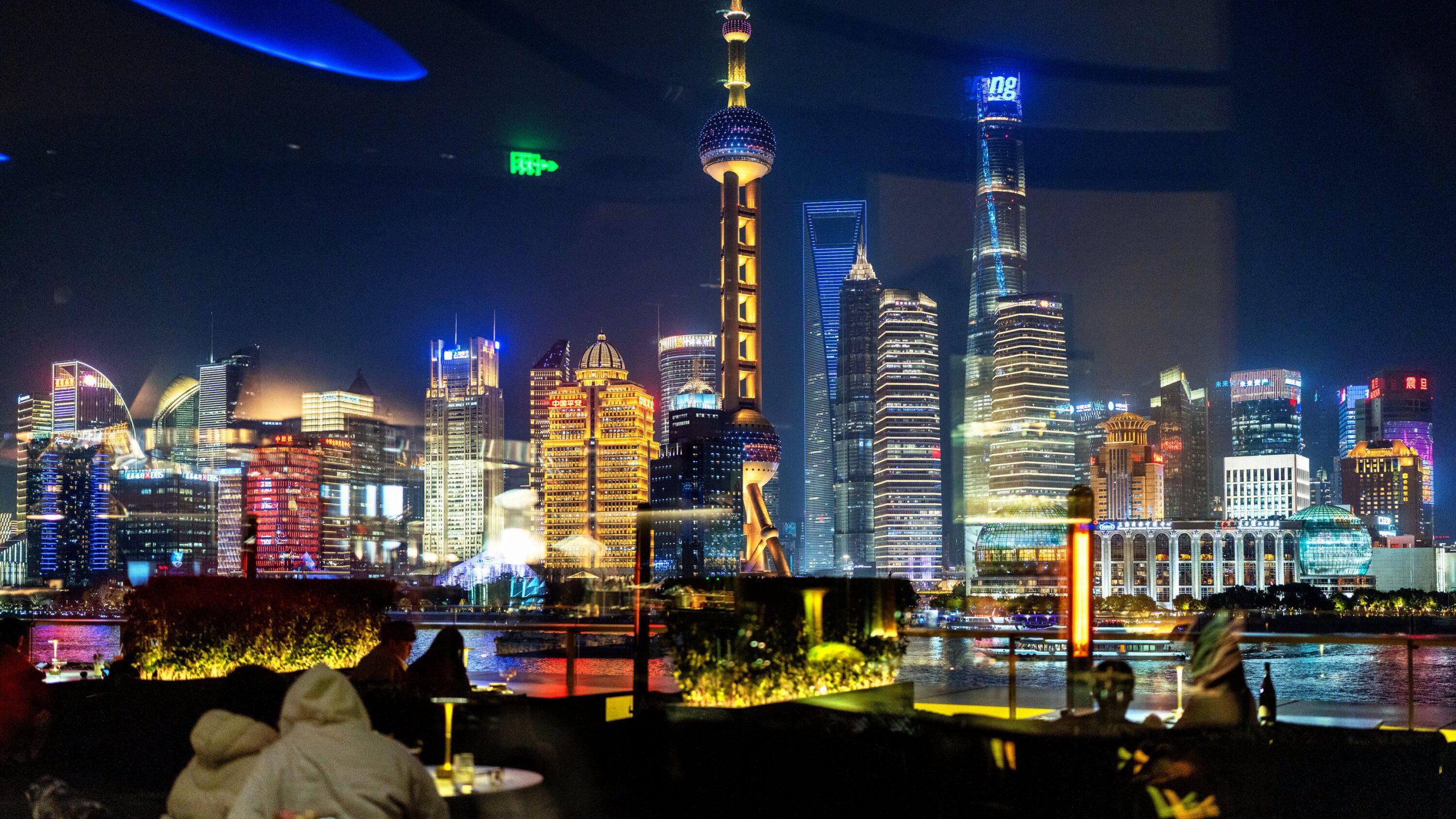
Shanghai’s skyline is one of the most famous in the world. Landmark skyscrapers in Pudong include:
- Shanghai Tower
- Shanghai World Financial Center
- Oriental Pearl Tower
- Jin Mao Tower
These structures symbolize China’s economic confidence and architectural ambition. Their futuristic designs reflect Shanghai’s identity as a city focused on innovation and modernization.
At night, the illuminated skyline along the Huangpu River creates one of the most recognizable urban landscapes on Earth.
The Bund and Shanghai’s Historical Identity
A Living Museum of Architecture
The Bund represents the historical heart of Shanghai’s international identity. Located along the western bank of the Huangpu River, the Bund features grand colonial-era buildings that once housed banks, trading companies, and consulates.
Architectural styles along the Bund include Gothic, Baroque, Neoclassical, and Art Deco influences. These buildings reflect Shanghai’s role as a global trading port during the late nineteenth and early twentieth centuries.
The Contrast Between Past and Future
One of Shanghai’s most powerful visual experiences is the contrast between the historic Bund and the futuristic Pudong skyline across the river. This juxtaposition captures the essence of Shanghai itself — a city where history and modernity coexist within the same urban environment.
The Bund also serves as a major tourist attraction, public gathering space, and photography destination, drawing millions of visitors every year.
Shanghai’s Cultural and Artistic Influence
Museums, Art, and Creative Industries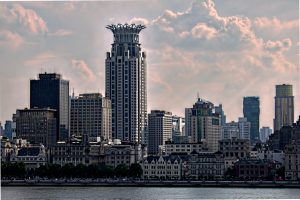
Shanghai is one of China’s leading cultural centers. The city hosts world-class museums, contemporary art galleries, theaters, concert halls, and creative districts.
Important cultural attractions include:
- Shanghai Museum
- Power Station of Art
- China Art Museum
- Shanghai Grand Theatre
Shanghai has become an important center for fashion, film, design, animation, and digital media. International exhibitions, cultural festivals, and artistic collaborations contribute to the city’s global cultural influence.
Local Heritage and Shanghainese Identity
Despite its international image, Shanghai maintains a strong local identity rooted in Shanghainese culture. Traditional lane houses known as “shikumen” preserve elements of old Shanghai life, combining Chinese and Western architectural influences.
Local dialects, cuisine, tea culture, festivals, and neighborhood communities remain important aspects of daily life even as the city modernizes rapidly.
Tourism in Shanghai
Major Tourist Attractions
Shanghai attracts millions of domestic and international visitors annually. The city offers a combination of historical landmarks, luxury shopping, cultural institutions, entertainment districts, and modern attractions.
Popular destinations include:
- Yu Garden
- Nanjing Road
- Shanghai Disneyland
- Tianzifang
- Xintiandi
These attractions reflect the city’s diversity, offering experiences ranging from classical Chinese gardens to modern entertainment complexes.
Culinary Tourism and Shanghai Cuisine
Food is central to Shanghai’s identity. Shanghai cuisine is known for delicate flavors, seafood dishes, dumplings, noodles, and sweet-savory sauces.
Famous local specialties include:
- Xiaolongbao
- Shengjian Mantou
- Braised pork belly
- Hairy crab dishes
- Scallion oil noodles
Shanghai’s food scene also includes luxury restaurants, international cuisine, street food markets, cafes, and fine dining experiences, making the city one of Asia’s top culinary destinations.
Education, Innovation, and Technology
Universities and Research Centers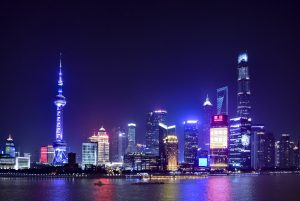
Shanghai has one of China’s strongest higher education systems. The city hosts prestigious universities and research institutions that contribute to science, engineering, medicine, finance, and technology development.
Leading institutions include:
- Fudan University
- Shanghai Jiao Tong University
- Tongji University
These universities attract students and researchers from around the world and support Shanghai’s long-term innovation strategy.
Technology and Global Innovation
Shanghai increasingly focuses on advanced industries such as artificial intelligence, biotechnology, robotics, semiconductors, green energy, and digital finance.
Innovation parks, startup incubators, and research centers help transform the city into a global technology hub. Government policies supporting research and development encourage investment in emerging industries and high-value manufacturing.
Shanghai’s emphasis on smart-city technologies also improves transportation management, public services, digital governance, and urban sustainability.
Transportation and Urban Infrastructure
Public Transportation Systems
Shanghai possesses one of the world’s largest and most efficient urban transportation systems. The Shanghai Metro connects nearly every major district through an extensive network of subway lines.
The city also relies on buses, taxis, ferries, bike-sharing programs, and high-speed rail connections to support mobility for millions of residents and visitors.
Airports and International Connectivity
Shanghai is served by two major international airports:
- Shanghai Pudong International Airport
- Shanghai Hongqiao International Airport
These airports connect Shanghai to destinations across Asia, Europe, North America, Africa, and Oceania, reinforcing the city’s role as a global transportation hub.
High-speed rail systems also link Shanghai with major Chinese cities such as Beijing, Hangzhou, Nanjing, and Guangzhou.
Environmental Challenges and Sustainable Development
Pollution and Urban Pressure
Like many megacities, Shanghai faces environmental challenges associated with rapid industrialization and population growth. Air pollution, water contamination, traffic congestion, and waste management remain important urban concerns.
Industrial development historically affected rivers such as the Huangpu and Suzhou Creek. However, environmental restoration projects have significantly improved water quality and urban cleanliness in recent decades.
Green Urban Development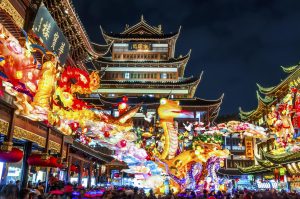
Shanghai increasingly prioritizes sustainable urban development. The city invests heavily in:
- Renewable energy projects
- Electric public transportation
- Green architecture
- Smart-city technologies
- Urban parks and ecological zones
- Recycling and waste-reduction programs
Environmental sustainability is becoming essential to Shanghai’s long-term development strategy as the city seeks to balance economic growth with quality of life.
Shanghai’s Global Influence
A Symbol of Modern China
For many international observers, Shanghai represents modern China more visibly than any other city. Its skyline, economic power, technological progress, and global connectivity symbolize China’s rise as a major world power.
Shanghai demonstrates how Chinese cities have transformed through infrastructure investment, international trade, financial expansion, and urban modernization.
A Global City of the Future
Shanghai’s influence extends far beyond China. The city participates in global finance, shipping, technology innovation, education, tourism, fashion, and cultural exchange.
Its multiple competitive advantages — including infrastructure, skilled labor, global connectivity, research capacity, and market access — ensure that Shanghai will remain one of the world’s most important cities for decades to come.
Conclusion
Shanghai is far more than a famous skyline or financial center. It is a living example of modern urban transformation shaped by geography, history, commerce, technology, and culture. From its origins as a modest river port to its emergence as one of the world’s most influential megacities, Shanghai reflects the extraordinary pace of China’s development in the modern era.
The city’s strategic location at the Yangtze River estuary allowed it to become a major gateway for trade and international exchange. Over time, Shanghai evolved into a global center for finance, manufacturing, shipping, tourism, innovation, and education. Today, it hosts the world’s busiest container port, one of Asia’s strongest financial sectors, internationally respected universities, and a cultural environment that attracts millions of visitors each year.
Shanghai’s strength lies in its diversity and adaptability. It successfully combines historical heritage with futuristic architecture, local traditions with global influence, and economic ambition with cultural creativity. Whether viewed from the perspective of business, tourism, urban planning, technology, or international relations, Shanghai remains one of the most important and fascinating cities in the world.
As the twenty-first century continues to reshape global economies and urban life, Shanghai is likely to remain at the center of international commerce, innovation, and cultural exchange. For travelers, investors, researchers, students, and anyone seeking to understand contemporary China, Shanghai offers one of the clearest and most powerful examples of how a city can transform itself into a truly global metropolis.
The History and Identity of the Bosnian People