
 By admin
The Parrot: Intelligence, Beauty, Communication, and Conservation in the Modern World
Introduction
The parrot is one of the most extraordinary birds on Earth. Famous for its vivid feathers, curved beak, playful personality, and ability to imitate human speech, the parrot has fascinated civilizations for centuries. From tropical rainforests to family homes, parrots have become symbols of intelligence, beauty, and social connection. Yet beneath their colorful appearance lies a highly complex creature with advanced cognitive abilities, deep emotional sensitivity, and immense ecological importance.
Parrots belong to the order Psittaciformes, a diverse group that includes macaws, cockatoos, African grey parrots, parakeets, lovebirds, lorikeets, Amazons, and many other species. These birds are recognized not only for their appearance but also for their remarkable problem-solving skills, long lifespans, and sophisticated communication systems. Scientists continue to study parrots because their brains demonstrate levels of learning and social intelligence once believed to exist mainly in primates.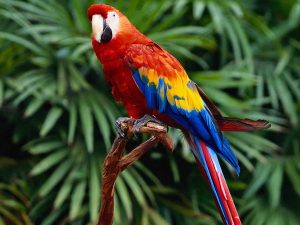
Today, parrots occupy a unique place in human society. They are beloved companion animals, subjects of scientific research, and ambassadors for wildlife conservation. However, many parrot species face severe threats caused by habitat destruction, illegal wildlife trade, climate change, and environmental degradation. Understanding parrots therefore requires more than admiring their beauty. It requires recognizing their biological complexity, emotional needs, ecological role, and conservation challenges.
This comprehensive guide explores the world of parrots in detail, including their anatomy, habitat, intelligence, behavior, communication, ecological significance, relationship with humans, and the urgent need to protect them for future generations.
What Is a Parrot?
A parrot is a bird belonging to the order Psittaciformes. Although parrots vary widely in size, color, and behavior, most species share several defining characteristics. These include a powerful curved beak, upright posture, large head, strong neck muscles, and specialized feet known as zygodactyl feet.
The Unique Structure of Parrot Feet
Parrots possess one of the most specialized foot structures in the bird world. Their feet contain two toes facing forward and two facing backward. This arrangement gives them excellent grip and climbing ability. Unlike many birds that mainly use their feet for standing or walking, parrots use their feet almost like hands.
They can:
- Hold food while eating
- Climb branches vertically
- Manipulate objects
- Explore textures
- Balance with precision
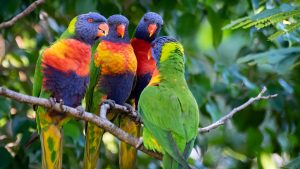
Rainbow lorikeets in a tree
This exceptional coordination contributes significantly to their intelligence and adaptability.
Incredible Diversity Among Species
There are approximately 400 known parrot species worldwide. Some species are tiny and delicate, while others are large and powerful.
Small Parrots
Small parrots include:
- Budgerigars
- Lovebirds
- Parrotlets
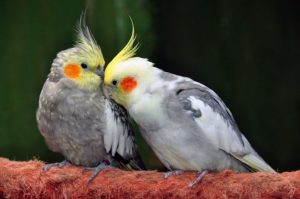
- Cockatiels
These birds are often energetic, social, and highly vocal despite their small size.
Large Parrots
Larger species include:
- Macaws
- African grey parrots
- Amazon parrots
- Cockatoos
These parrots are famous for advanced cognitive abilities, strong emotional attachment, and long lifespans that may exceed 60 years in some species.
Rare and Unusual Species
Some parrots are especially unique. The kakapo of New Zealand, for example, is a flightless nocturnal parrot and one of the rarest birds on Earth. Kea parrots from alpine regions are renowned for their curiosity and problem-solving abilities, while lorikeets possess brush-tipped tongues specialized for feeding on nectar.
Natural Habitat and Geographic Distribution
Parrots are primarily tropical and subtropical birds. They inhabit regions across:
- South America
- Central America
- Africa
- Asia
- Australia
- New Guinea
 Pacific islands
Rainforests: The Primary Home of Parrots
Tropical rainforests provide ideal conditions for many parrot species because they offer:
- Dense vegetation
- Abundant fruit
- Safe nesting cavities
- Diverse food resources
- Protection from predators
South America is particularly rich in parrot diversity, especially within the Amazon rainforest.
Adaptability to Different Ecosystems
Although commonly associated with jungles, parrots also inhabit:
- Grasslands
- Mangroves
- Mountain forests
- Dry savannas
- Coastal woodlands
- Urban environments
Some parrots adapt surprisingly well to cities, where they feed on cultivated fruits, seeds, and ornamental plants.
Dependence on Mature Forests
Many parrots rely heavily on old trees because they nest in natural cavities. Deforestation therefore represents one of the greatest threats to their survival. When mature forests disappear, parrots lose:
- Nesting sites
- Food sources
- Shelter
- Safe breeding areas
Habitat fragmentation can also isolate populations and reduce genetic diversity.
Anatomy and Physical Adaptations
Parrots possess specialized anatomical features that make them highly efficient climbers, feeders, and communicators.
The Powerful Beak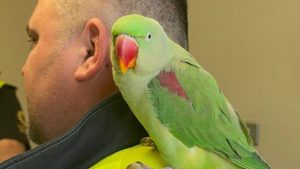
A parrot’s beak is one of the strongest tools in the avian world. It is designed for:
- Cracking hard nuts
- Opening seeds
- Peeling bark
- Climbing branches
- Manipulating objects
Large macaws can exert tremendous pressure with their beaks, allowing them to break extremely hard shells.
The Specialized Tongue
Parrots use muscular tongues to position food precisely inside the beak. Nectar-feeding species such as lorikeets possess brush-like tongue tips that collect pollen and nectar from flowers.
Exceptional Vision
Parrots have highly developed eyesight and excellent color perception. This allows them to:
- Detect ripe fruits
- Recognize flock members
- Navigate forests
- Identify predators
- Communicate through feather displays
Their visual intelligence is closely connected to survival and social interaction.
Feather Structure and Function
Parrot feathers serve multiple purposes:
- Flight
- Insulation
- Camouflage
- Courtship displays
- Communication
Bright colors may help attract mates and strengthen social recognition among flock members.
Diet and Feeding Behavior
Parrots are omnivorous birds with highly varied diets depending on species and habitat.
Common Foods Eaten by Parrots
Wild parrots commonly consume:
- Seeds
- Nuts
- Fruits
- Berries
- Flowers
- Nectar
- Bark
- Buds
- Insects
- Larvae
Different species have evolved to specialize in different food sources.
Seed Predators and Seed Dispersers
Parrots are often considered seed predators because they crush seeds for food. However, they also contribute to seed dispersal by transporting fruits across forests. This helps maintain plant diversity and forest regeneration.
Clay Lick Behavior
In parts of South America, parrots gather at clay banks known as clay licks. Scientists believe this behavior may:
- Provide essential minerals
- Neutralize plant toxins
- Aid digestion
These gatherings are among the most spectacular wildlife events in tropical forests.
Parrot Intelligence and Cognitive Abilities
Parrots are widely regarded as some of the most intelligent birds in existence.
Advanced Problem-Solving Skills
Studies have shown that parrots can:
- Solve puzzles
- Open locks
- Understand patterns
- Learn sequences
- Use tools
- Remember solutions
Some species demonstrate reasoning abilities comparable to young children.
The African Grey Parrot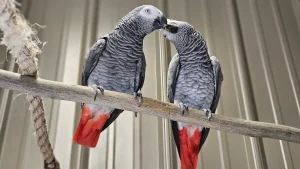
The African grey parrot is especially famous for intelligence. Research involving these parrots has demonstrated:
- Vocabulary learning
- Object recognition
- Shape differentiation
- Basic counting abilities
- Contextual communication
Their cognitive flexibility has made them valuable subjects in neuroscience and behavioral studies.
Curiosity and Exploration
Parrots constantly explore their surroundings using:
- Their beaks
- Feet
- Vision
- Vocal experimentation
In captivity, mental stimulation is essential because boredom can cause serious behavioral problems.
Vocal Learning and Communication
One of the defining traits of parrots is their ability to imitate sounds.
Why Parrots Mimic Speech
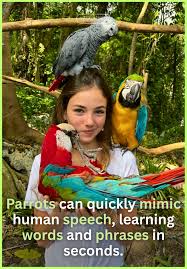
Parrots naturally learn vocalizations to maintain social bonds within flocks. In human environments, people effectively become part of the flock. The bird imitates human speech as a form of social interaction.
Communication in the Wild
Wild parrots use vocalizations to:
- Warn of danger
- Locate flock members
- Defend territory
- Strengthen pair bonds
- Coordinate movement
Each flock may even develop unique vocal signatures.
Do Parrots Understand Language?
Some parrots can associate words with meanings. While they do not use language exactly like humans, certain individuals demonstrate understanding of:
- Objects
- Colors
- Commands
- Requests
- Social responses
This makes parrots scientifically important in studies of language evolution and cognition.
Social Behavior and Emotional Complexity
Parrots are deeply social animals that thrive on interaction.
Flock Living
In nature, parrots often live in:
- Pairs
- Family groups
- Large flocks
Social living provides protection, learning opportunities, and emotional stability.
Pair Bonding
Many parrot species form strong lifelong bonds with mates. Partners may:
- Groom each other
- Feed each other
- Defend territory together
- Raise chicks cooperatively
These bonds are emotionally significant and contribute to psychological well-being.
Emotional Sensitivity
Parrots can experience:
- Fear
- Excitement
- Stress
- Curiosity
- Attachment
- Loneliness
Because of this emotional depth, isolation in captivity can cause severe psychological distress.
Behavioral Problems in Captivity
Parrots lacking proper care may develop:
- Excessive screaming
- Feather plucking
- Aggression
- Depression
- Repetitive movements
These issues usually result from inadequate stimulation, poor diet, loneliness, or stress.
Reproduction and Nesting Habits
Most parrots reproduce slowly compared to many bird species.
Nesting Cavities
Tree hollows are extremely important for nesting. Some species also use:
- Cliff crevice
- Ground burrows
- Termite mounds
The loss of mature trees therefore directly affects breeding success.
Raising Chicks
Parrot chicks hatch helpless and require intensive parental care. Parents provide:
- Warmth
- Protection
- Regurgitated food
- Social learning
Young parrots remain dependent for extended periods compared to many other birds.
Slow Population Recovery
Because many parrots mature slowly and produce relatively few offspring, populations recover slowly after decline. This makes conservation especially challenging.
Parrots and Human Civilization
Humans have admired parrots for thousands of years.
Cultural Importance
Parrots appear in:
- Ancient art
- Religious symbolism
- Folklore
- Literature
- Indigenous traditions
Their bright colors and vocal abilities made them symbols of wisdom, communication, and exotic beauty.
The Global Pet Trade
Parrots are among the most popular exotic companion birds. However, irresponsible demand has contributed to:
- Illegal trapping
- Smuggling
- Habitat destruction
- Population decline
Wild-caught parrots often suffer high mortality rates during capture and transport.
Ethical Ownership
Keeping a parrot requires:
- Long-term commitment
- Specialized veterinary care
- Spacious housing
- Mental enrichment
- Daily social interaction
Large parrots may live for decades, making ownership a serious responsibility rather than an impulsive decision.
Conservation Challenges Facing Parrots
Parrots are among the world’s most threatened bird groups.
Habitat Destruction
Deforestation caused by:
- Logging
- Agriculture
- Mining
- Urbanization
continues to destroy critical habitats worldwide.
Illegal Wildlife Trade
Poaching for the exotic pet market remains a major threat. Rare species are particularly vulnerable because high demand increases illegal capture.
Invasive Species
On islands, introduced predators such as:
- Rats
- Cats
- Snakes
can devastate parrot populations that evolved without mammalian predators.
Climate Change
Climate change affects parrots through:
- Altered rainfall patterns
- Extreme weather events
- Food shortages
- Habitat shifts
Species with limited geographic ranges face especially high risks.
Why Parrots Matter to Ecosystems
Parrots play important ecological roles within natural environments.
Forest Regeneration
By consuming fruits and moving seeds across landscapes, parrots contribute to:
- Forest renewal
- Plant diversity
- Ecosystem balance
Indicators of Environmental Health
Healthy parrot populations often indicate healthy forests. Declining parrot numbers may signal larger environmental problems.
Ecological Interactions
Parrots interact with:
- Trees
- Pollinators
- Predators
- Competitors
- Other bird species
Their disappearance can disrupt ecological networks.
Companion Parrots: Care, Welfare, and Ethics
Parrots are highly demanding companion animals.
Nutritional Needs
A healthy captive diet should generally include:
- High-quality pellets
- Fresh vegetables
- Limited fruit
- Species-appropriate seeds and nuts
A seed-only diet can lead to obesity and nutritional deficiencies.
Mental Stimulation
Parrots require:
- Toys
- Puzzle feeders
- Social interaction
- Flight opportunities
- Environmental enrichment
Mental activity is essential for emotional health.
Sleep and Routine
Most parrots need 10–12 hours of uninterrupted sleep daily. Poor sleep can increase stress and behavioral problems.
Adoption and Rescue
Many parrots are abandoned because owners underestimate the responsibility involved. Adoption from rescue organizations can provide homes for displaced birds while reducing demand for illegal trade.
The Future of Parrot Conservation
The survival of parrots depends on global cooperation.
Habitat Protection
Protecting forests remains the most effective conservation strategy. National parks, reserves, and sustainable land management are essential.
Anti-Trafficking Enforcement
Governments and conservation organizations must strengthen efforts against:
- Wildlife smuggling
- Illegal markets
- Organized trafficking networks
Scientific Research
Modern technologies help scientists monitor parrot populations through:
- Satellite tracking
- Acoustic monitoring
- Genetic analysis
- Population surveys
Better research improves conservation planning.
Community Involvement
Local communities play a vital role in conservation. Sustainable tourism, environmental education, and community-based conservation programs can reduce poaching while supporting local economies.
Conclusion
Parrots are far more than colorful birds capable of mimicking human speech. They are intelligent, emotionally complex, socially sophisticated, and ecologically important animals that occupy a unique place in the natural world. Their advanced communication skills, problem-solving abilities, and strong social bonds make them among the most fascinating birds ever studied.
From the tropical rainforests of South America to the forests of Africa and Australia, parrots contribute to biodiversity and ecological balance. Yet despite their adaptability and intelligence, many species face growing threats from habitat destruction, illegal wildlife trade, climate change, and environmental degradation.
Protecting parrots requires responsible action at every level. Governments must enforce wildlife laws, conservationists must preserve habitats, scientists must continue research, and individuals must make ethical choices regarding pet ownership and wildlife consumption.
Ultimately, parrots remind humanity that intelligence, beauty, and emotional depth are not uniquely human traits. These remarkable birds deserve not only admiration but also protection, respect, and long-term conservation efforts. The future of parrots depends on whether humanity chooses exploitation or stewardship, indifference or responsibility.