
 By admin
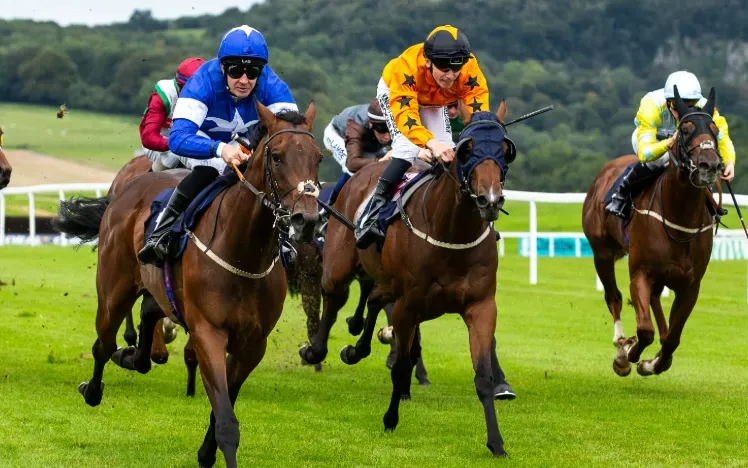
A Complete Guide to Understanding Horse Racing, Betting Strategies, and Responsible Wagering
Introduction
Horse racing is one of the oldest and most celebrated sporting traditions in the world. For centuries, it has captivated audiences with its combination of speed, athleticism, strategy, and excitement. In countries such as the United States, the United Kingdom, Australia, Japan, and many others, horse racing continues to attract millions of spectators and bettors each year.
The sport offers a unique blend of entertainment and competition. Fans enjoy watching elite horses compete at remarkable speeds, while bettors are drawn by the possibility of predicting race outcomes and earning financial rewards. Prestigious events such as the Kentucky Derby, the Preakness Stakes, the Belmont Stakes, and international championships have elevated horse racing into a global phenomenon.
However, successful participation in horse racing betting requires much more than luck. Modern bettors rely on data analysis, performance statistics, track conditions, jockey records, and horse fitness evaluations to make informed decisions. Understanding how the sport works can significantly improve a bettor’s chances of making smarter wagers.
This guide explores the fundamentals of horse racing, the factors that influence race outcomes, effective betting strategies, and the importance of responsible gambling practices.
Understanding the World of Horse Racing
The History and Popularity of Horse Racing
Horse racing dates back thousands of years, with evidence of organized races found in ancient civilizations such as Greece, Rome, Egypt, and China. Over time, the sport evolved into a highly regulated and professional industry.
Today, horse racing generates billions of dollars annually through race attendance, television broadcasts, sponsorships, and wagering activities. Major races attract international attention and showcase some of the world’s finest thoroughbred horses.
The enduring popularity of horse racing stems from several factors:
- The unpredictability of races
- The beauty and power of the horses
- The skill of jockeys and trainers
- The excitement of wagering
- The rich traditions associated with major racing events
Horse racing continues to evolve with advanced technology, improved breeding programs, and sophisticated performance analytics.
Why Horse Racing Appeals to Bettors
The Thrill of Prediction
Unlike many casino games that rely almost entirely on chance, horse racing allows bettors to analyze information before placing wagers.
Participants can study:
- Previous race performances
- Speed ratings
- Track conditions
- Jockey statistics
- Trainer success rates
- Horse health and fitness
This creates the perception that skill and knowledge can improve betting outcomes.
Multiple Betting Options
Horse racing offers numerous wagering opportunities, including:
Win Bets
A bettor predicts which horse will finish first.
Place Bets
A horse must finish either first or second.
Show Bets
A horse must finish among the top three finishers.
Exacta Bets
Predicting the first two finishers in exact order.
Trifecta Bets
Predicting the first three finishers in exact order.
Superfecta Bets
Predicting the first four finishers in exact order.
These betting variations create opportunities for both conservative and aggressive wagering strategies.
The Science Behind Successful Horse Racing Analysis
Looking Beyond Speed
Many beginners assume the fastest horse will automatically win every race. In reality, horse racing outcomes depend on numerous variables.
Professional handicappers evaluate a combination of factors rather than focusing solely on speed.
Recent Performance Trends
One of the most reliable indicators is a horse’s recent racing history.
Questions to consider include:
- Has the horse been consistently finishing near the top?
- Is performance improving or declining?
- How strong was the competition in previous races?
A horse that consistently performs well against quality opponents often deserves serious consideration.
Class Level
Races are categorized according to competition level.
A horse moving down in class may gain a competitive advantage against weaker opponents.
Conversely, a horse stepping up to a higher class may face tougher challenges.
The Importance of the Jockey
A Critical Component of Success
Even the most talented horse benefits from an experienced jockey.
Elite jockeys contribute through:
- Strategic positioning
- Pace management
- Decision-making during critical moments
- Understanding horse behavior
Many professional bettors carefully examine jockey statistics before making wagering decisions.
Jockey-Horse Chemistry
Some horses perform exceptionally well with specific jockeys.
The relationship between horse and rider can influence confidence, communication, and race execution.
Studying past results involving the same jockey-horse combination can provide valuable insights.
The Trainer’s Influence
Behind Every Great Horse Is a Great Trainer
Trainers play a significant role in preparing horses for competition.
Their responsibilities include:
- Fitness conditioning
- Nutritional planning

- Injury prevention
- Race scheduling
- Tactical preparation
Successful trainers understand when a horse is physically and mentally prepared to compete at its best.
Trainer Statistics Matter
Many bettors review:
- Win percentages
- Performance at specific racetracks
- Success rates with particular horses
- Results after rest periods
These metrics can reveal patterns that influence betting decisions.
Evaluating Horse Fitness and Condition
Why Physical Condition Matters
A horse’s appearance before a race can reveal important information about readiness and health.
Experienced observers often arrive early to watch horses during warm-ups and paddock inspections.
Signs of a Well-Conditioned Horse
Healthy racehorses typically display:
- Strong muscle definition
- Smooth and shiny coats
- Alert behavior
- Confident movement
- High energy levels
Warning Signs
Potential concerns may include:
- Excessive sweating
- Visible fatigue
- Nervous behavior
- Poor posture
- Lack of enthusiasm
While these observations are not guarantees, they may provide clues regarding race-day performance.
Understanding Track Conditions
The Surface Matters
Track conditions can significantly affect race outcomes.
Common racing surfaces include:
Dirt Tracks
Popular in North America, dirt tracks tend to favor horses with strong early speed.
Turf Courses
Grass surfaces often reward endurance and tactical positioning.
Synthetic Surfaces
Designed to improve safety and consistency, synthetic tracks offer different racing dynamics.
Weather Conditions
Weather can dramatically influence racing conditions.
Rain may create:
- Muddy tracks
- Slower times
- Reduced visibility
Some horses excel on wet surfaces, while others struggle.
Studying a horse’s previous performances under similar weather conditions can provide valuable information.
Modern Technology and Data Analysis in Horse Racing
The Digital Revolution
Today’s horse racing industry benefits from advanced technology.
Professional analysts utilize:
- Performance databases
- Artificial intelligence models
- Predictive analytics
- Biometric monitoring
- GPS tracking systems
These innovations help trainers, owners, and bettors make more informed decisions.
Racing Apps and Online Platforms
Modern bettors have access to:
- Real-time odds
- Live race streaming
- Detailed statistics
- Historical performance records
- Expert predictions
This level of information was unimaginable just a few decades ago.
Building a Smart Betting Strategy
Avoid Emotional Betting
One of the most common mistakes is wagering based on personal preference rather than objective analysis.
A horse’s name, color, or popularity should never outweigh factual performance indicators.
Successful bettors focus on evidence rather than emotions.
Value Betting
Professional bettors often search for value rather than simply choosing favorites.
A favorite may have a high probability of winning but offer limited returns.
Meanwhile, a less popular horse may provide greater betting value if its chances of success are underestimated.
Risk Versus Reward
The goal is not merely to identify winners but to identify opportunities where potential rewards justify the risks involved.
Managing Your Betting Bankroll
The Golden Rule of Gambling
Every bettor should establish a clear budget before participating.
Never wager money needed for:
- Rent
- Mortgage payments
- Utilities
- Food
- Essential expenses
Horse racing should always be viewed as entertainment rather than a guaranteed income source.
Setting Betting Limits
Professional bankroll management involves:
Daily Limits
Determine the maximum amount you are willing to lose during a single session.
Weekly Limits
Create a broader spending framework.
Unit Betting
Many experienced bettors wager a fixed percentage of their bankroll per race.
This approach helps minimize losses during losing streaks.
Common Mistakes New Bettors Make
Chasing Losses
After losing a wager, some bettors increase stakes in an attempt to recover losses quickly.
This behavior often leads to larger financial setbacks.
Ignoring Research
Making decisions without studying relevant information significantly reduces the likelihood of success.
Research remains one of the most important aspects of horse racing betting.
Overconfidence
A few successful wagers can create a false sense of expertise.
Even experienced handicappers experience losing periods.
Maintaining discipline is essential.
Responsible Gambling and Ethical Betting
Recognizing the Risks
While horse racing can be enjoyable, betting always carries financial risk.
Responsible gambling involves:
- Setting limits
- Managing expectations
- Avoiding impulsive decisions
- Understanding the possibility of loss
No betting strategy can eliminate risk entirely.
When to Take a Break
Consider pausing betting activities if:
- Gambling causes stress
- Losses exceed your budget
- Betting affects relationships
- Financial obligations are neglected
Responsible participation ensures that horse racing remains enjoyable rather than harmful.
The Social and Cultural Side of Horse Racing
More Than Just Betting
Horse racing is also a cultural event.
Major race days feature:
- Fashion competitions
- Family entertainment
- Corporate gatherings
- Community celebrations
Many spectators attend races without placing any wagers.
The atmosphere itself contributes significantly to the sport’s appeal.
Prestigious Racing Events Around the World
Some of the most famous horse racing events include:
- The Kentucky Derby
- The Belmont Stakes
- The Preakness Stakes
- The Breeders’ Cup
- The Royal Ascot Festival
- The Melbourne Cup
- The Dubai World Cup
These events attract elite horses, world-class jockeys, and millions of viewers globally.
Future Trends in Horse Racing
Innovation and Sustainability
The future of horse racing is being shaped by technological advancement and increasing attention to animal welfare.
Emerging trends include:
- Enhanced safety measures
- Advanced veterinary care
- Data-driven training programs
- Improved track surfaces
- Greater transparency in racing operations
These developments aim to strengthen both the integrity and sustainability of the sport.
Conclusion
Horse racing remains one of the world’s most exciting and enduring sports. Its combination of athletic excellence, strategic complexity, and entertainment value continues to attract fans across generations. While betting can add another layer of excitement, successful wagering requires knowledge, discipline, and realistic expectations.
Understanding horse performance, jockey experience, trainer expertise, track conditions, and race statistics can significantly improve decision-making. However, no amount of analysis can completely remove the uncertainty that makes horse racing so thrilling.
Whether you attend races as a spectator, a passionate fan, or a bettor seeking opportunities, the key is to approach the sport responsibly. By educating yourself, managing your bankroll carefully, and respecting the risks involved, you can enjoy all the excitement horse racing has to offer while maintaining a healthy and balanced perspective.