
 By admin

What to Do When Your Baby Cries: A Complete Guide for Parents to Understanding and Soothing Infant Crying
Introduction
One of the most common and challenging experiences for new parents is dealing with a crying baby. While crying is a completely natural and healthy part of infant development, it can sometimes cause concern, stress, and anxiety for caregivers. Since babies cannot communicate through words during the first months of life, crying serves as their primary language. Through crying, infants express hunger, discomfort, fatigue, pain, fear, loneliness, or a need for attention.
Although most crying episodes are harmless and related to everyday needs, persistent or unusual crying may occasionally signal an underlying medical condition that requires attention. Understanding the reasons behind infant crying and learning effective soothing techniques can help parents respond appropriately while strengthening the emotional bond with their child.
This comprehensive guide explores why babies cry, how parents can calm a distressed infant, when crying may indicate a health problem, and the warning signs that require professional medical evaluation.
Understanding Why Babies Cry
Crying as a Natural Form of Communication
Babies are born with limited ways of expressing their needs. Crying is their most effective communication tool. During the first few months of life, infants rely entirely on caregivers to meet their physical and emotional needs.
A baby’s cry may communicate: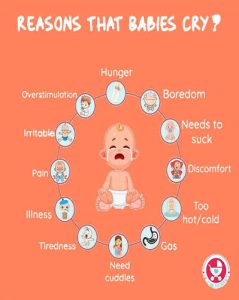
- Hunger
- Thirst
- Tiredness
- Discomfort
- Loneliness
- Fear
- Pain
- Overstimulation
- Illness
As babies grow older, parents often become better at recognizing different types of cries and understanding what their child needs.
Normal Causes of Infant Crying
Hunger
Hunger is one of the most common reasons babies cry. Newborns typically require feeding every two to three hours, although feeding schedules vary among infants.
Signs of hunger include:
- Sucking motions
- Rooting reflex
- Putting hands in the mouth
- Lip smacking
- Restlessness
Providing breast milk or formula often resolves crying quickly when hunger is the cause.
Wet or Dirty Diapers
A wet, soiled, or uncomfortable diaper can irritate a baby’s sensitive skin. Diaper discomfort frequently leads to fussiness and crying.
Regular diaper checks and prompt changing can prevent discomfort and diaper rash.
Temperature Discomfort
Babies are sensitive to environmental temperatures.
A baby may cry if:
- The room is too hot
- The room is too cold
- Clothing is too heavy
- Clothing is insufficient
Maintaining a comfortable room temperature and dressing the baby appropriately can improve comfort significantly.
Fatigue and Sleepiness
Overtired babies often become difficult to soothe. Surprisingly, many infants cry more when they are tired because they struggle to settle themselves to sleep.
Signs of fatigue include:
- Rubbing eyes
- Yawning
- Reduced activity
- Fussiness
Creating a calm sleeping environment can help prevent excessive crying caused by exhaustion.
Need for Physical Contact
Many infants simply want to feel safe and secure in the presence of a caregiver. Human touch provides comfort, warmth, and emotional reassurance.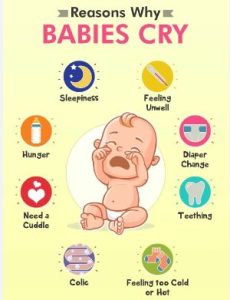
Babies may stop crying when:
- Held in arms
- Cuddled
- Rocked gently
- Hearing a familiar voice
This behavior is completely normal and reflects healthy emotional development.
Safe and Effective Ways to Calm a Crying Baby
Never Shake a Baby
Understanding the Danger
One of the most important rules in infant care is never to shake a baby.
Violent shaking can cause serious brain injuries, blindness, developmental disabilities, or even death. This condition is known as Shaken Baby Syndrome.
If frustration becomes overwhelming, place the baby safely in the crib and take a short break while ensuring the child remains supervised.
Check Clothing for Comfort
Remove Tight or Irritating Clothing
Clothing that is too tight, rough, or restrictive may cause irritation and discomfort.
Parents should ensure:
- Clothing fits properly
- Fabric is soft and breathable
- Tags or seams are not irritating the skin
Comfortable clothing can significantly reduce unnecessary crying.
Adjust the Environment
Cooling an Overheated Room
If the room feels warm:
- Turn on a fan
- Improve air circulation
- Open windows when safe
- Dress the baby in lighter clothing
Warming a Cold Environment
If the weather is cold:
- Wrap the baby in a soft blanket
- Use appropriate layers
- Ensure hands and feet remain warm
Maintaining a comfortable temperature helps babies relax.
Change Wet Diapers Promptly
A wet diaper can quickly become uncomfortable.
After changing:
- Clean the diaper area gently.
- Dry the skin carefully.

- Apply protective cream if needed.
- Use a fresh diaper.
This simple action often resolves crying within minutes.
Use Gentle Physical Comfort
Patting and Stroking
Soft physical contact can have a powerful calming effect.
Try:
- Gently patting the baby’s back
- Stroking the forehead
- Rubbing the back softly
- Speaking in a calm voice
Babies often respond positively to these soothing techniques.
Skin-to-Skin Contact
Modern research shows that skin-to-skin contact helps:
- Regulate body temperature
- Reduce stress
- Stabilize heart rate
- Promote emotional bonding
This method is especially effective for newborns.
Feeding the Baby
If feeding time is approaching, offer:
- Breast milk
- Formula feeding
Many crying episodes end once the baby’s nutritional needs are met.
Additionally, feeding provides comfort through close physical contact and familiarity.
Rocking and Gentle Movement
Holding and Walking
Many babies enjoy rhythmic motion.
Parents can:
- Rock the baby gently
- Walk slowly around the room
- Use a baby carrier
- Sway softly while holding the infant
The movement often resembles sensations experienced in the womb.
Using a Cradle Safely
A cradle or bassinet can help soothe some babies when gently rocked.
Always follow safe sleep recommendations and avoid excessive movement.
Use Soothing Sounds
Soft Music and White Noise
Babies are often comforted by repetitive sounds.
Helpful options include:
- Soft lullabies

- White noise machines
- Heartbeat sounds
- Gentle nature sounds
These sounds can reduce stress and promote sleep.
Talking and Singing
Parents’ voices are among the most familiar and comforting sounds for infants.
Speaking softly or singing can provide emotional reassurance and reduce crying.
Pacifiers and Self-Soothing
Many babies find comfort through sucking.
Options include:
- Pacifiers
- Thumb sucking
- Feeding if hungry
Non-nutritive sucking can help calm babies and support self-regulation.
Change Positions
Sometimes babies simply become uncomfortable in one position.
Try:
- Holding upright
- Laying across your lap
- Carrying over the shoulder
- Using a different holding posture
A small adjustment may provide immediate relief.
Go Outdoors
Fresh air and a change of scenery can be remarkably effective.
A brief walk outside may:
- Distract the baby
- Provide calming sensory experiences
- Help regulate mood
- Improve sleep readiness
Many parents find outdoor walks one of the most reliable calming strategies.
Ask for Help
Caring for a constantly crying infant can be exhausting.
If needed:
- Ask a partner for assistance
- Seek support from family members
- Take turns comforting the baby
Parental well-being is essential for effective caregiving.
When Crying May Signal a Medical Problem
Most crying is normal, but persistent crying that does not improve despite comfort measures may indicate an underlying health issue.
Parents should observe the baby carefully for additional signs.
Common Medical Causes of Excessive Crying
Infant Colic
Symptoms
Colic is characterized by:
- Intense crying episodes
- Crying at similar times daily
- Difficulty soothing
- Pulling legs toward the abdomen
Parents may notice increased crying when gently pressing the abdomen.
Although colic can be stressful, it usually improves as the baby grows.
Ear Infection (Earache)
Ear pain can make infants extremely uncomfortable.
Warning Signs
- Pulling at the ears
- Increased crying when lying down
- Irritability

- Sleep disturbances
A baby may react negatively when the affected ear is touched.
Medical evaluation is recommended if an ear infection is suspected.
Fever and Infection
A fever may indicate infection.
Parents should monitor:
- Body temperature
- Feeding behavior
- Activity level
- General appearance
Any infant with a significant fever should be assessed by a healthcare professional.
Skin Conditions and Rashes
Carefully examine the baby’s skin from head to toe.
Possible causes include:
Diaper Rash
Caused by prolonged moisture exposure.
Allergic Reactions
May appear as:
- Red patches
- Hives
- Itching
Viral Illnesses
Certain childhood infections may cause skin eruptions and irritability.
Prompt evaluation may be needed depending on the severity.
Nasal Congestion and Respiratory Infections
A blocked nose can interfere with breathing and feeding.
Symptoms include:
- Nasal discharge
- Congestion
- Sneezing
- Difficulty feeding
Infants often become fussy when they cannot breathe comfortably through their noses.
Neck Stiffness and Neurological Concerns
In rare situations, neck stiffness may indicate a serious condition such as:
- Meningitis
- Head injury
- Neurological disorders
Parents should seek immediate medical attention if neck stiffness is accompanied by fever, lethargy, or unusual behavior.
Breathing Problems
Listen for Abnormal Sounds
Place your ear near the baby’s chest and observe breathing patterns.
Potential warning signs include:
- Wheezing
- Rattling sounds
- Rapid breathing
- Chest retractions
- Persistent cough
Possible causes include:
- Bronchiolitis
- Pneumonia
- Asthmatic bronchitis
- Respiratory infections
Breathing difficulties always require prompt medical assessment.
Anal and Rectal Problems
Examine the anal area for:
- Skin irritation
- Fissures
- Rectal polyps
- Signs of parasitic infection
Pain during bowel movements may contribute to excessive crying.
Genital Discomfort
Parents should check for:
- Redness
- Swelling
- Discharge
- Skin irritation
Any abnormalities should be discussed with a healthcare provider.
Testicular Problems in Male Infants
In baby boys, swollen or tender testicles may indicate:
- Orchitis
- Testicular torsion
- Trauma
Testicular torsion is a medical emergency requiring immediate treatment.
Additional Warning Signs That Require Medical Attention
Seek professional medical care if the baby experiences:
- Persistent vomiting
- Convulsions or seizures
- Difficulty breathing
- Excessive sleepiness
- Refusal to feed
- High fever
- Unusual body movements
- Severe cough
- Bluish skin coloration
- Continuous inconsolable crying
These symptoms may indicate a serious underlying condition.
Emotional Impact of Infant Crying on Parents
Managing Stress and Fatigue
Frequent crying can place considerable emotional strain on caregivers.
Parents should remember:
- Crying is normal.
- Not every cry indicates illness.
- Seeking help is acceptable.
- Taking breaks when overwhelmed is healthy.
Support from family members, healthcare providers, and parenting groups can make a significant difference.
Building Confidence as a Parent
Understanding a baby’s crying patterns takes time.
With experience, parents become better at:
- Recognizing different cries
- Identifying needs quickly
- Responding calmly
- Creating effective soothing routines
Confidence grows naturally as the parent-child relationship develops.
Conclusion
Crying is an essential and healthy part of infant development. It serves as a baby’s primary method of communication and allows them to express a wide range of needs and emotions. Most crying episodes result from common causes such as hunger, fatigue, discomfort, temperature changes, or the desire for human contact. Fortunately, simple strategies such as feeding, diaper changing, rocking, cuddling, and creating a comfortable environment can effectively soothe many babies.
However, persistent or unusual crying should never be ignored. Careful observation of associated symptoms such as fever, breathing difficulties, skin changes, vomiting, ear pain, or abnormal movements can help identify potential medical problems. When warning signs are present, prompt consultation with a healthcare professional is essential.
By understanding the causes of crying and responding with patience, empathy, and appropriate care, parents can support their baby’s health, emotional well-being, and overall development while strengthening the bond that forms the foundation of lifelong trust and security.
Emerging Hantavirus Infections