
 By admin
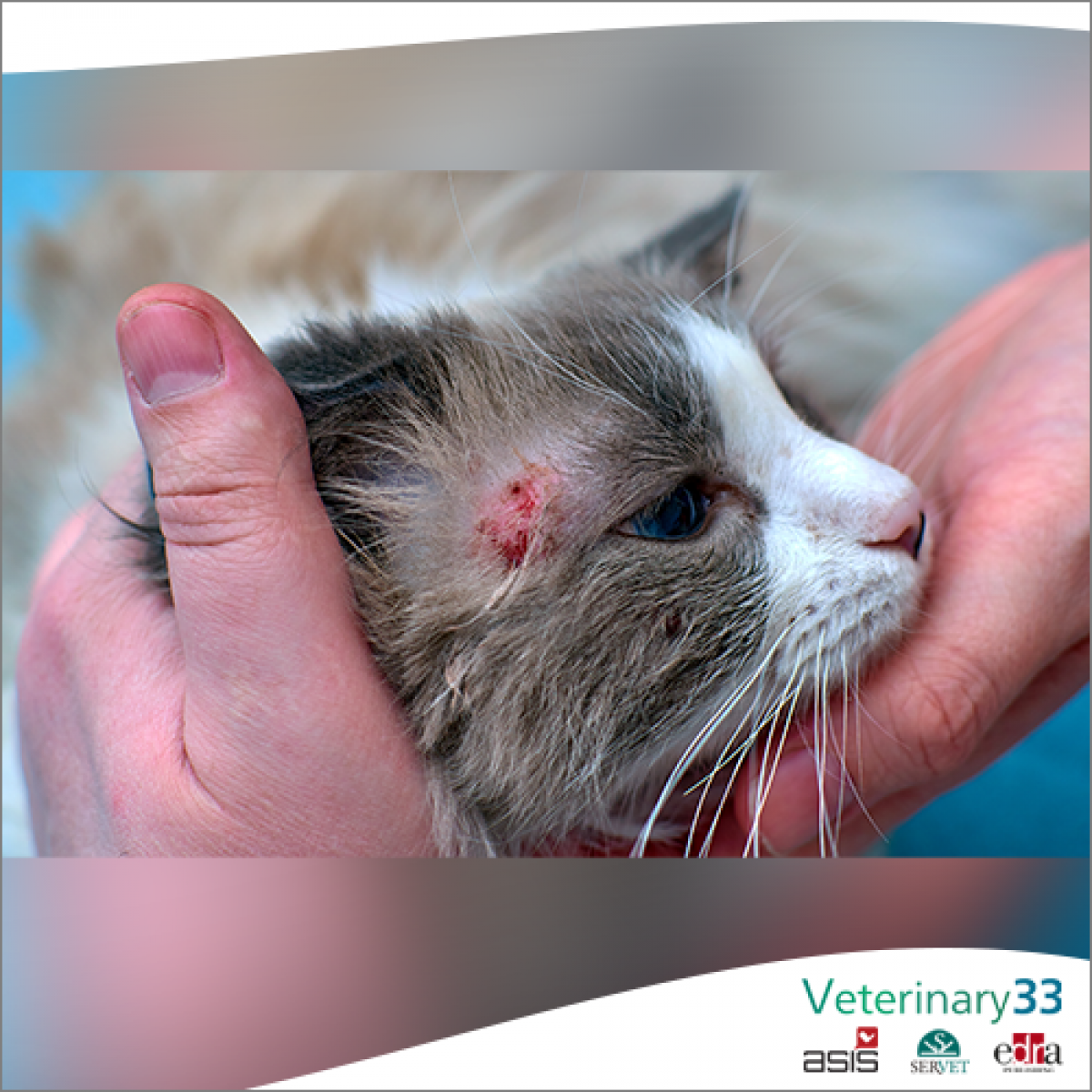
Skin Disorders in Cats: A Comprehensive Guide to Detection, Causes, and Modern Treatments
Introduction
Cats are widely admired for their elegance, cleanliness, and soft, luxurious coats. Beneath this beautiful exterior, however, lies a complex and sensitive skin system that plays a critical role in protecting the body from environmental threats, parasites, and infections. Because most cats are covered in dense fur, skin disorders can easily go unnoticed until they become severe, causing discomfort, pain, and even systemic health issues.
In recent years, veterinary science has significantly advanced in understanding feline dermatology, offering more effective diagnostic tools and treatments. Yet, early detection remains the cornerstone of successful management. Pet owners who routinely examine their cats and understand the early signs of skin conditions are far better equipped to ensure their pets live healthy, comfortable lives.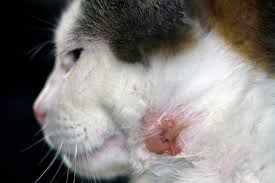
This comprehensive guide explores the most common skin disorders in cats, their causes, symptoms, diagnostic approaches, and modern treatment options. It also highlights preventive strategies and the importance of regular monitoring to maintain optimal feline skin health.
Understanding the Importance of Skin Health in Cats
The Role of the Skin
A cat’s skin is the largest organ in its body and serves several essential functions:
- Acts as a protective barrier against pathogens and environmental hazards
- Regulates body temperature
- Prevents dehydration
- Supports sensory perception
- Provides the foundation for fur growth
Healthy skin is typically smooth, flexible, and free from excessive flakes, redness, or lesions. Any deviation from this norm may indicate an underlying problem.
Why Skin Disorders Are Often Overlooked
Unlike humans, cats cannot verbally communicate discomfort. Additionally, their thick fur conceals early signs such as redness, small bumps, or mild irritation. Many cats also groom themselves excessively, which can mask or worsen underlying skin issues.
This is why regular physical inspection is essential. By gently running your hands over your cat’s body and parting the fur, you can detect abnormalities early and seek timely veterinary care.
How to Examine Your Cat’s Skin Properly
Step-by-Step Skin Check Routine
A simple daily or weekly routine can make a significant difference:
- Run your hands gently over your cat’s entire body
- Feel for unusual lumps, bumps, or scabs
- Part the fur to inspect the skin underneath
- Look for:
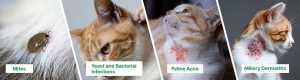
- Redness or inflammation
- Flaking or dandruff
- Bald patches
- Parasites such as fleas or mites
- Observe your cat’s behavior, including excessive scratching or licking
Recognizing Normal vs. Abnormal Skin
With consistent observation, you will become familiar with what is normal for your cat. Healthy skin should appear:
- Pale pink or slightly pigmented depending on breed
- Free of sores or crusts
- Covered with shiny, well-maintained fur
Any irregularity should be taken seriously, especially if it persists or worsens.
Common Causes of Skin Disorders in Cats
1. Parasites
Parasites are among the most frequent causes of feline skin conditions. These include:
- Fleas
- Ticks
- Mites
They can lead to intense itching, inflammation, and secondary infections.
2. Allergies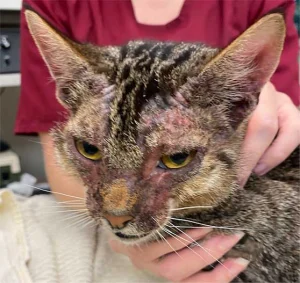
Cats can develop allergies to:
- Food ingredients (such as certain proteins)
- Environmental factors (pollen, dust mites)
- Chemicals (cleaning products, pesticides)
Allergic reactions often manifest as itching, redness, and hair loss.
3. Infections
Skin infections may be:
- Bacterial
- Fungal (such as ringworm)
- Yeast-related
These infections can cause lesions, odor, and discomfort.
4. Hormonal Imbalances
Endocrine disorders can affect skin health, leading to conditions such as hair thinning or alopecia.
5. Stress and Behavioral Factors
Stress can lead to excessive grooming, which damages the skin and results in hair loss or irritation.
Cheyletiellosis: The “Walking Dandruff” Disease
Overview
Cheyletiellosis is a contagious skin condition caused by mites. It affects cats, dogs, and even humans, making it a zoonotic concern.
Symptoms
- Intense itching
- Heavy scaling and flaking
- Visible dandruff that appears to “move”
- Mild hair loss in affected areas
This condition is commonly referred to as “walking dandruff” due to the visible movement of mites beneath the flakes.
Transmission
Cheyletiellosis spreads easily through:
- Direct contact with infected animals
- Contaminated bedding or grooming tools
Diagnosis and Treatment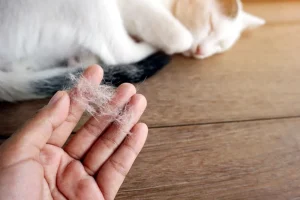
Veterinarians diagnose this condition through:
- Skin scrapings
- Microscopic examination
Modern treatments include:
- Topical antiparasitic medications
- Medicated shampoos
- Environmental decontamination
Although not life-threatening, prompt treatment is essential to prevent spreading and discomfort.
Alopecia in Cats: Causes and Recovery
What Is Alopecia?
Alopecia refers to hair loss in cats and can occur in localized patches or across the entire body.
Common Causes
- Hormonal imbalances
- Skin infections
- Allergic reactions
- Stress and anxiety
- Nutritional deficiencies
Symptoms
- Bald patches
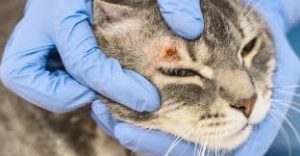
- Thinning fur
- Red or inflamed skin
- Excessive grooming
Treatment and Prognosis
Alopecia is rarely life-threatening. Treatment depends on the underlying cause and may include:
- Hormonal therapy
- Antibiotics or antifungal medications
- Stress reduction techniques
- Dietary improvements
In most cases, hair regrowth occurs once the root cause is addressed.
Other Common Skin Disorders in Cats
1. Flea Allergy Dermatitis
This is one of the most common allergic reactions in cats. Even a single flea bite can trigger severe itching and inflammation.
2. Ringworm (Dermatophytosis)
A fungal infection that causes:
- Circular lesions
- Hair loss
- Scaly skin
It is highly contagious and can spread to humans.
3. Feline Acne
Typically appears on the chin and lips, causing blackheads and inflammation.
4. Abscesses
Often caused by bites or injuries, abscesses are painful, swollen pockets of infection.
Modern Diagnostic Approaches in Veterinary Dermatology
Advancements in veterinary medicine have improved the accuracy of diagnosing skin conditions. Common diagnostic tools include:
- Skin scrapings
- Fungal cultures
- Allergy testing
- Blood tests
- Biopsies
These methods allow veterinarians to identify the root cause and tailor treatments effectively.
Treatment Options: From Traditional to Advanced Care
1. Medications
- Antiparasitic drugs
- Antibiotics
- Antifungal treatments
- Anti-inflammatory medications
2. Topical Treatments
- Medicated shampoos
- Creams and ointments
- Sprays
3. Dietary Management
Specialized diets can help manage:
- Food allergies
- Nutritional deficiencies
4. Environmental Control
- Regular cleaning
- Flea control programs
- Reducing allergen exposure
Preventing Skin Disorders in Cats
Regular Grooming
Brushing your cat helps:
- Remove dirt and debris
- Detect abnormalities early
- Improve circulation
Parasite Prevention
Use veterinarian-approved treatments to protect against fleas and mites.
Balanced Nutrition
A healthy diet supports:
- Skin integrity
- Coat quality
- Immune function
Routine Veterinary Visits
Regular check-ups ensure early detection and prompt treatment.
The Importance of Early Detection
Spending just a few minutes each day examining your cat can prevent serious health issues. Early detection:
- Reduces treatment time
- Minimizes discomfort
- Prevents complications
Cats often hide signs of illness, so proactive care is essential.
Conclusion
Skin disorders in cats are common but manageable conditions that require awareness, vigilance, and timely intervention. While many issues stem from allergies, parasites, or infections, modern veterinary medicine offers effective solutions that can restore your cat’s health and comfort.
By incorporating regular skin checks into your routine, maintaining proper hygiene, and seeking professional care when needed, you can ensure your feline companion enjoys a healthy, irritation-free life. Ultimately, a well-informed pet owner is the first line of defense against skin disorders, making knowledge and observation invaluable tools in feline care.
How to Give Your Persian Cat the Best Life