
 By admin

A Comprehensive Guide to Restful Nights
Introduction
In today’s fast-paced world, quality sleep has become a rare luxury rather than a daily necessity. Millions of people—particularly in countries like the United States—struggle with falling asleep, staying asleep, or waking up feeling refreshed. Instead of drifting into peaceful dreams, many individuals spend hours tossing and turning in bed, unable to quiet their minds or relax their bodies.
The consequences of poor sleep go far beyond simple fatigue. Chronic sleep deprivation is linked to reduced cognitive performance, weakened immunity, emotional instability, and increased stress levels. Over time, it can even contribute to serious health issues such as cardiovascular disease, obesity, and mental health disorders.
Fortunately, improving sleep quality doesn’t always require medication or complex interventions. Often, small, intentional changes in daily habits and sleeping environments can produce remarkable results. This article explores six powerful, research-backed strategies to help you achieve deeper, more restorative sleep. Each tip is grounded in modern sleep science and designed to be practical, sustainable, and effective.
Understanding the Science of Sleep
The Role of Circadian Rhythm
Before diving into the tips, it’s essential to understand how sleep works. The human body operates on a biological clock known as the circadian rhythm. This internal system regulates sleep-wake cycles based on environmental cues such as light and temperature.
Disruptions to this rhythm—caused by irregular schedules, excessive screen time, or stimulants—can significantly impair your ability to fall asleep and stay asleep.
Sleep Stages and Their Importance
Sleep is not a uniform state. It consists of multiple stages, including light sleep, deep sleep, and REM (rapid eye movement) sleep. Deep sleep is particularly critical for physical recovery, while REM sleep supports memory consolidation and emotional processing.
When your sleep is fragmented or shallow, your body misses out on these essential restorative processes.
1. Optimize Your Bedroom Temperature for Better Sleep
Why Temperature Matters
One of the most overlooked factors affecting sleep quality is room temperature. Scientific research shows that the body’s core temperature naturally drops as it prepares for sleep. A cooler environment supports this process, signaling to the brain that it’s time to rest.
Ideal Temperature Range
Experts generally recommend keeping your bedroom at around 60–70°F (15–21°C). Temperatures above this range can lead to restlessness, night sweats, and difficulty entering deep sleep stages.
Practical Tips for Temperature Control
- Use breathable bedding materials such as cotton or linen
- Adjust your thermostat before bedtime
- Consider using a fan or air conditioning during warmer months
- Wear light, comfortable sleepwear
By maintaining a cool and comfortable sleep environment, you can significantly enhance your ability to fall asleep quickly and stay asleep throughout the night.
2. Reduce Caffeine Intake—Especially in the Evening
How Caffeine Affects Sleep
Caffeine is a powerful stimulant that blocks adenosine, a chemical responsible for promoting sleepiness. While it can boost alertness during the day, its effects can linger in the body for several hours.
Hidden Sources of Caffeine
Many people underestimate their caffeine consumption. It’s not only found in coffee but also in:
- Tea
- Chocolate
- Energy drinks
- Certain medications
Best Practices for Caffeine Consumption
To improve sleep quality:
- Avoid caffeine at least 6–8 hours before bedtime
- Limit overall daily intake
- Opt for caffeine-free alternatives in the evening, such as herbal teas
Reducing caffeine intake, particularly in the late afternoon and evening, allows your body to naturally prepare for rest without interference.
3. Avoid Alcohol Before Bedtime
The Myth of Alcohol as a Sleep Aid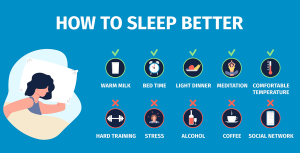
While alcohol may initially make you feel drowsy, it actually disrupts the natural sleep cycle. It prevents the body from entering deeper stages of sleep, leading to fragmented and less restorative rest.
Impact on Sleep Quality
Alcohol consumption before bed can result in:
- Frequent awakenings during the night
- Reduced REM sleep
- Increased snoring and breathing issues
Healthier Alternatives
Instead of relying on alcohol:
- Try relaxation techniques such as deep breathing or meditation
- Drink warm, non-caffeinated beverages
- Establish a calming pre-sleep routine
Eliminating or reducing alcohol intake in the evening can dramatically improve both the quality and duration of your sleep.
4. Reserve Your Bed Exclusively for Sleep
The Psychology of Sleep Environment
Your brain forms associations between environments and behaviors. If you regularly watch TV, work, or scroll through your phone in bed, your brain begins to associate the bed with activity rather than rest.
Creating a Strong Sleep Association
To strengthen the connection between your bed and sleep:
- Avoid using electronic devices in bed
- Do not work or eat while lying down
- Only go to bed when you feel sleepy
The Role of Digital Distractions
Devices such as smartphones and televisions emit blue light, which interferes with melatonin production—the hormone responsible for regulating sleep.
Creating a distraction-free sleep environment trains your brain to recognize the bed as a place for rest, making it easier to fall asleep quickly.
5. Maintain a Consistent Sleep Schedule
Why Consistency Is Key
Going to bed and waking up at different times each day confuses your internal clock. A consistent sleep schedule helps regulate your circadian rhythm, making it easier to fall asleep and wake up naturally.
Building a Healthy Routine
- Go to bed and wake up at the same time every day—even on weekends
- Establish a relaxing pre-bedtime ritual
- Avoid long daytime naps
Long-Term Benefits
A stable sleep schedule can lead to:
- Improved sleep quality
- Increased daytime energy
- Better mental clarity and focus
Consistency is one of the most powerful tools for achieving long-term sleep health.
6. Remove the Alarm Clock from Direct View
The Problem with Clock-Watching
Constantly checking the time when you can’t sleep can increase anxiety and stress. This creates a negative feedback loop where worrying about sleep makes it even harder to fall asleep.
Psychological Impact
When you focus on how little time you have left to sleep, your body produces stress hormones like cortisol, which further disrupt sleep.
Simple Solutions
- Turn your clock away from your bed
- Use a basic alarm without a bright display
- Avoid checking your phone for the time during the night
By removing visual reminders of time, you can reduce anxiety and allow your mind to relax naturally.
Additional Modern Strategies for Better Sleep
Limit Screen Time Before Bed
Exposure to screens before bedtime can delay melatonin production. Aim to disconnect from electronic devices at least one hour before sleep.
Practice Relaxation Techniques
Methods such as mindfulness meditation, progressive muscle relaxation, and controlled breathing can help calm the mind and prepare the body for rest.
Exercise Regularly
Physical activity during the day promotes better sleep at night. However, avoid intense workouts close to bedtime.
Optimize Your Sleep Environment
In addition to temperature, consider factors such as:
- Noise levels
- Light exposure
- Mattress and pillow quality
Conclusion
Achieving better sleep is not about quick fixes or miracle solutions—it’s about creating a consistent, supportive environment and adopting healthy habits that align with your body’s natural rhythms. By optimizing your bedroom temperature, reducing caffeine and alcohol intake, reserving your bed for sleep, maintaining a consistent schedule, and minimizing stress-inducing behaviors like clock-watching, you can significantly improve your sleep quality.
Incorporating these six powerful tips into your daily routine can lead to more restful nights, increased energy, and enhanced overall well-being. In a world that often prioritizes productivity over rest, reclaiming your sleep is one of the most valuable investments you can make in your health and happiness.