
 By admin
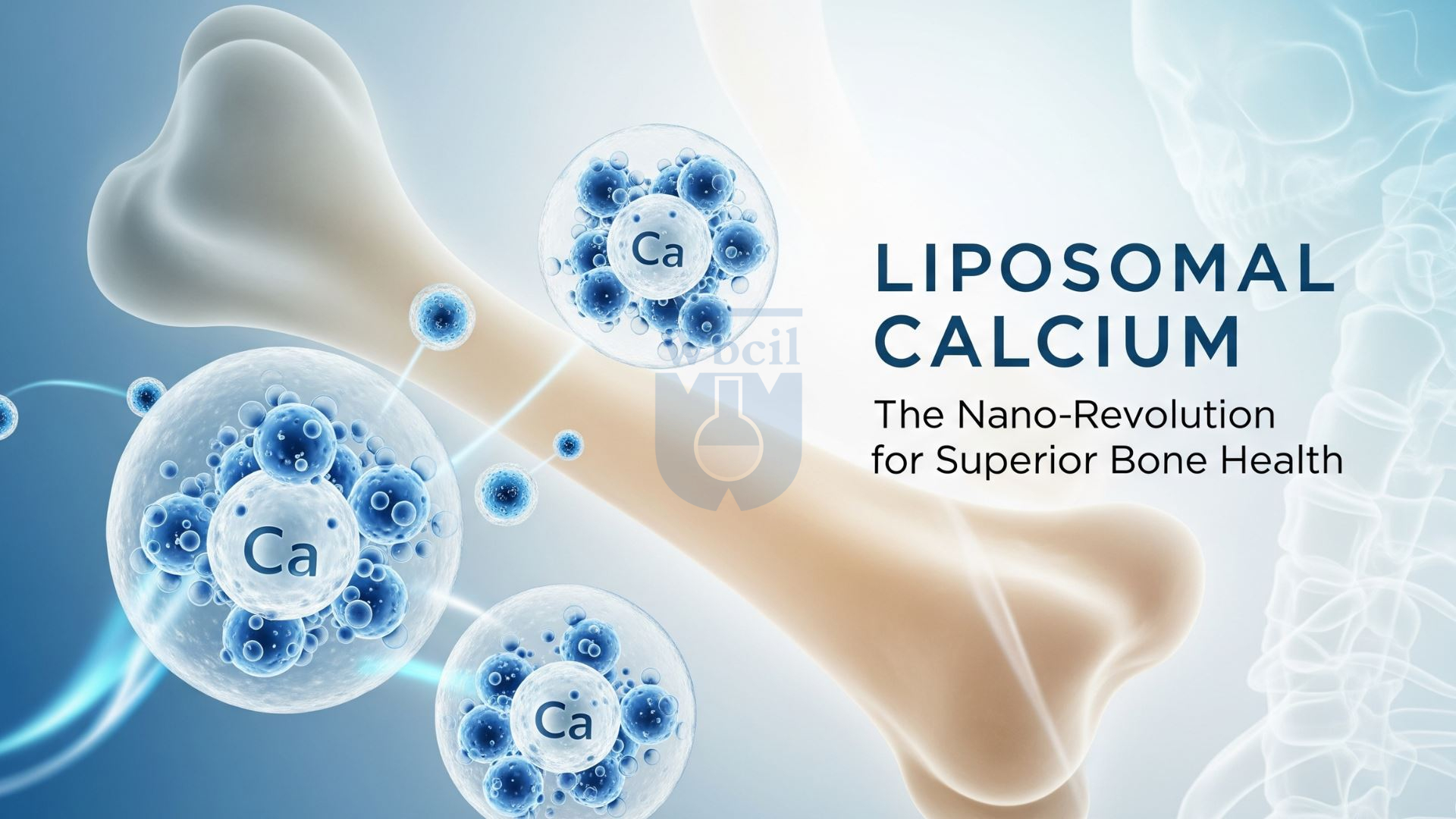
Calcium: Why Consistent Intake Unlocks Its Full Power
Introduction
Calcium is one of the most essential minerals in the human body, playing a central role not only in building strong bones but also in maintaining vital physiological functions. From regulating heart rhythms to facilitating nerve communication and supporting blood clotting, calcium is indispensable for overall health and longevity. Despite decades of scientific consensus supporting its benefits, recent debates and conflicting research findings have caused confusion about its true effectiveness.
However, when examined closely, the evidence remains clear: calcium works—but only when consumed consistently and in adequate amounts. The real issue is not whether calcium is effective, but whether people are meeting their daily requirements and absorbing it properly. In today’s fast-paced world, dietary gaps, poor nutritional habits, and lack of awareness are undermining calcium’s potential benefits.
This article provides a comprehensive, modern, and evidence-based exploration of calcium—its functions, benefits, challenges in intake, and how supplementation can bridge the gap. It also addresses misconceptions and highlights practical strategies to ensure optimal calcium absorption and long-term bone health.
The Fundamental Role of Calcium in the Human Body
1. Bone Health and Skeletal Strength
Approximately 99% of the body’s calcium is stored in bones and teeth. Calcium acts as the structural foundation that keeps bones strong and resilient. During childhood and adolescence, calcium supports rapid skeletal growth, while in adulthood, it helps maintain bone density.
A deficiency in calcium over time can lead to weakened bones, increasing the risk of fractures and conditions such as osteoporosis. This progressive disease is often referred to as a “silent condition” because it develops without symptoms until a fracture occurs.
2. Cardiovascular Function
Calcium plays a critical role in maintaining a healthy heartbeat. It helps regulate muscle contractions, including those of the heart muscle, ensuring proper circulation and cardiovascular stability.
3. Nervous System Support
The transmission of nerve impulses depends on calcium ions. These ions enable communication between neurons, allowing the brain and body to coordinate effectively.
4. Hormonal Regulation and Enzyme Activation
Calcium is involved in the release of hormones and the activation of enzymes that regulate digestion, metabolism, and other biochemical processes.
5. Blood Clotting Mechanism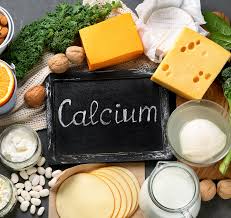
Without calcium, the blood would not clot properly. It acts as a cofactor in the clotting cascade, helping prevent excessive bleeding after injury.
The Calcium Controversy: Understanding Conflicting Research
In recent years, studies—such as those conducted under initiatives like the Women’s Health Initiative—have raised questions about calcium supplementation. Some reports suggested limited benefits or even potential risks when calcium is taken without proper context.
However, a deeper analysis reveals a critical flaw in many of these studies: participant non-compliance. In other words, many individuals did not consistently take the recommended dosage of calcium, making it difficult to accurately assess its effectiveness.
Key Insight: Compliance Determines Results
Participants who adhered to recommended calcium intake levels experienced significant benefits, including a notable reduction in hip fracture risk—by nearly 29%. This reinforces a crucial point: calcium is effective when taken correctly and consistently.
The Global Calcium Deficiency Problem
1. Inadequate Intake Across Age Groups
Despite widespread awareness, calcium deficiency remains a global health concern. Many individuals—both young and old—fail to meet daily intake recommendations.
In countries like the United States, dietary patterns high in processed foods and low in nutrient density contribute to this deficiency. Similar trends are emerging worldwide due to urbanization and changing lifestyles.
2. The Critical Window: Adolescence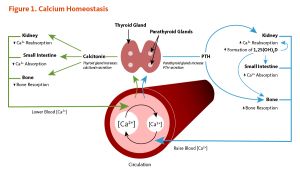
Adolescence is a pivotal stage for bone development. Nearly 45% of total bone mass is formed during teenage years, making calcium intake crucial during this period.
Research published in sources like the Journal of Pediatrics indicates alarming statistics:
- Only about 10% of teenage girls meet calcium requirements
- Approximately 30% of teenage boys achieve adequate intake
This deficiency increases the risk of:
- Stunted growth
- Early bone weakening
- Future development of osteoporosis
Dietary Sources of Calcium: Are They Enough?
1. Natural Food Sources
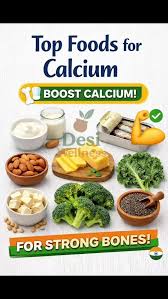
Calcium can be obtained from a variety of foods, including:
- Dairy products (milk, cheese, yogurt)
- Green leafy vegetables (spinach, kale, broccoli)
- Nuts and seeds (almonds, sesame seeds)
- Fish with edible bones (sardines, salmon)
2. The Modern Lifestyle Challenge
While these foods are widely available, consistently consuming enough calcium through diet alone can be difficult. Busy schedules, dietary restrictions, lactose intolerance, and reliance on convenience foods often lead to insufficient intake.
3. Fortified Foods
To address this gap, many foods are now fortified with calcium, including:
- Plant-based milk alternatives
- Breakfast cereals
- Orange juice
Although helpful, fortified foods may still fall short if not consumed regularly or in sufficient quantities.
The Role of Calcium Supplements
1. Why Supplementation Matters
Healthcare professionals often recommend supplements when dietary intake is inadequate. According to experts like Nicholina Galinsky, supplementation is crucial for individuals who cannot meet their calcium needs through food alone.
One of the major challenges with conditions like osteoporosis is that they often go undiagnosed until a fracture occurs. Preventive supplementation can significantly reduce this risk.
2. Enhancing Absorption: The Importance of Vitamin D and Vitamin K
Calcium absorption is not a standalone process. It requires:
- Vitamin D to facilitate intestinal absorption
- Vitamin K to help direct calcium into bones rather than arteries
Without these supporting nutrients, even high calcium intake may not yield optimal benefits.
Innovations in Calcium Supplementation
1. Functional and Palatable Supplements
Traditional calcium supplements often come in pill form, which some individuals find inconvenient or unpleasant. Recent innovations have introduced more appealing options.
One example is Adora calcium supplement, a unique product that combines calcium with milk and dark chocolate. Each serving typically contains:
- 500 mg of elemental calcium
- Vitamin D
- Vitamin K
2. The Psychology of Compliance
Taste and convenience play a significant role in whether individuals stick to a supplementation routine. Products that are enjoyable to consume increase adherence, ultimately improving health outcomes.
Calcium Across the Lifespan
1. Children and Adolescents
- Essential for growth and bone development
- Helps achieve peak bone mass
2. Adults
- Maintains bone density
- Supports metabolic and cardiovascular health
3. Older Adults
- Reduces risk of fractures
- Slows bone loss associated with aging
Common Myths About Calcium
Myth 1: “Diet Alone Is Always Enough”
While ideal, this is not always realistic. Many people require supplementation to meet daily needs.
Myth 2: “Calcium Supplements Are Ineffective”
When taken correctly and consistently, supplements are highly effective.
Myth 3: “Only Older Adults Need Calcium”
Calcium is essential at every stage of life, especially during growth periods.
Best Practices for Optimal Calcium Intake
1. Meet Daily Requirements
Follow recommended daily intake guidelines based on age and gender.
2. Split Doses
The body absorbs calcium more efficiently in smaller amounts throughout the day.
3. Pair with Vitamin D
Ensure adequate sunlight exposure or supplementation.
4. Limit Inhibitors
Reduce excessive intake of:
- Caffeine
- Sodium
- Carbonated beverages
5. Stay Physically Active
Weight-bearing exercises strengthen bones and improve calcium utilization.
Conclusion
Calcium remains a cornerstone of human health, vital for strong bones, efficient bodily functions, and long-term well-being. Despite conflicting research and widespread misconceptions, the scientific consensus is clear: calcium is effective when consumed in the right amounts and with proper consistency.
The real challenge lies not in questioning calcium’s value, but in addressing the widespread gap between recommended intake and actual consumption. Modern lifestyles, dietary limitations, and lack of awareness continue to hinder optimal calcium levels across populations.
By combining a balanced diet, appropriate supplementation, and lifestyle adjustments, individuals can unlock the full benefits of calcium. Ultimately, investing in calcium intake today is an investment in stronger bones, better health, and a more resilient future.
6 Powerful Tips for Better Sleep