
 By admin
Introduction
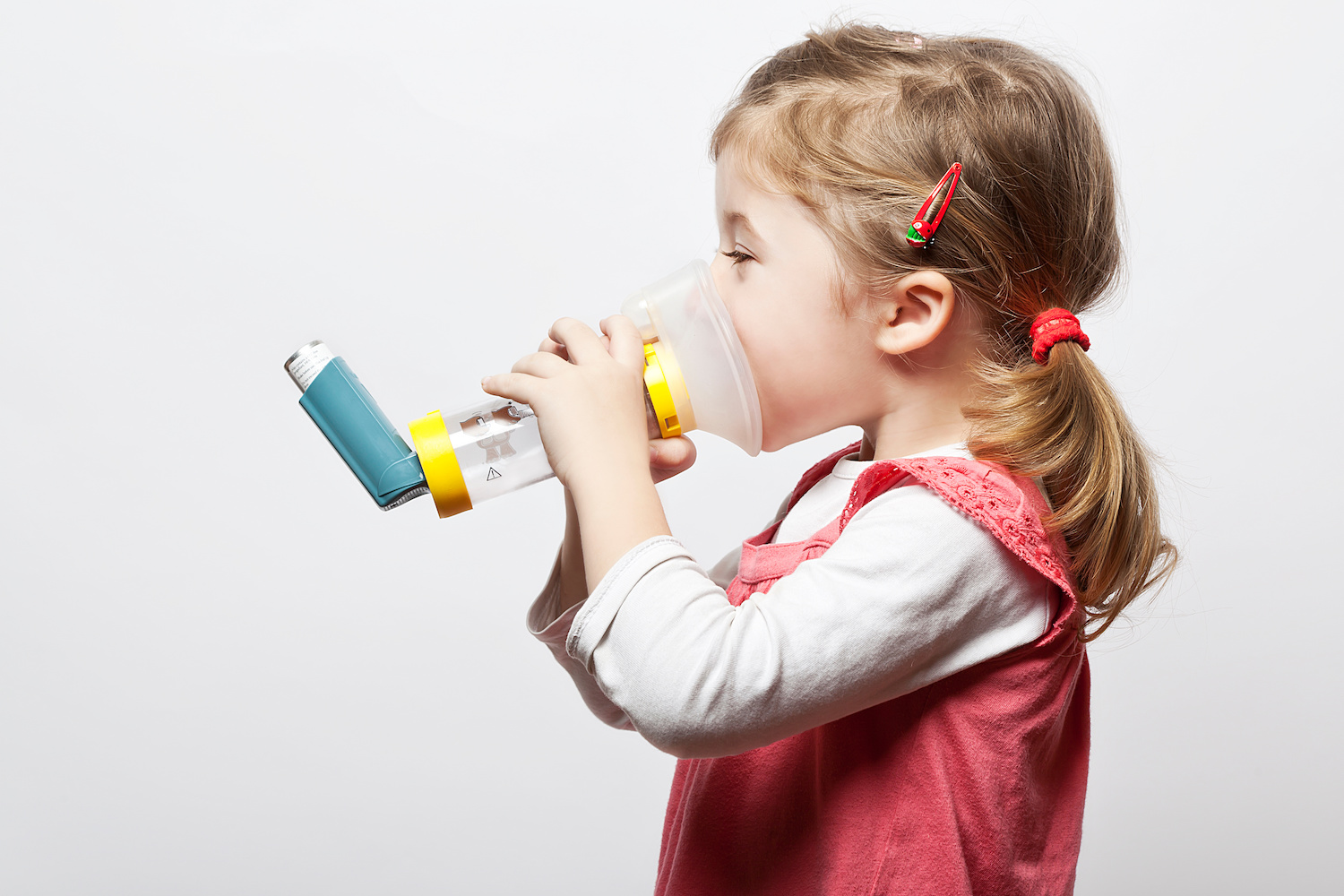
Childhood asthma remains one of the most common chronic diseases affecting children worldwide. Millions of families struggle daily with wheezing, coughing, shortness of breath, and nighttime breathing difficulties that can interfere with school, sports, sleep, and overall quality of life. Although asthma can feel overwhelming for parents and frightening for children, modern medicine and improved awareness have made it possible for most children with asthma to live healthy, active, and fulfilling lives.
Asthma is a chronic inflammatory condition that affects the airways of the lungs. When triggered, the airways become swollen, produce excess mucus, and tighten, making breathing difficult. While asthma cannot always be cured, it can be effectively controlled through proper diagnosis, trigger management, medication adherence, and lifestyle adjustments.
In recent years, researchers have discovered more about environmental pollution, allergens, genetic predisposition, indoor air quality, and lifestyle factors that influence childhood asthma. Today, parents have access to better asthma management strategies than ever before. However, misinformation and outdated beliefs still prevent many children from receiving the care they need.
This comprehensive guide explores seven essential steps to control childhood asthma effectively. By understanding asthma triggers, creating a safe home environment, working closely with healthcare providers, and educating children about their condition, parents can dramatically reduce asthma attacks and help their children breathe easier every day.
Understanding Childhood Asthma
What Is Childhood Asthma?
Asthma is a chronic respiratory condition that causes inflammation and narrowing of the airways. During an asthma attack, breathing becomes difficult because the muscles around the airways tighten while mucus production increases.
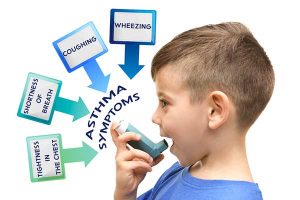
Children with asthma may experience:
- Wheezing
- Persistent coughing
- Chest tightness
- Shortness of breath
- Difficulty exercising
- Nighttime coughing
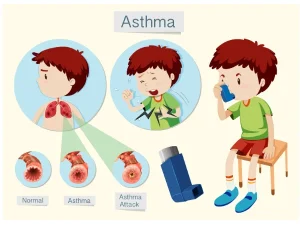
Symptoms can vary greatly from one child to another. Some children experience mild symptoms occasionally, while others face severe attacks requiring emergency treatment.
Why Asthma Is Increasing Among Children
Health experts believe several modern environmental and lifestyle factors contribute to rising asthma rates among children, including:
- Increased urban pollution
- Indoor allergens
- Exposure to cigarette smoke
- Sedentary lifestyles
- Climate-related pollen increases
- Poor indoor ventilation
- Viral infections
Children living in urban environments often face higher exposure to air pollution and allergens than those raised in rural areas. Research also suggests that exposure to secondhand smoke during infancy significantly increases asthma risk.
Step 1: Get an Accurate and Early Diagnosis
Recognizing the Warning Signs
The first and most important step in controlling childhood asthma is obtaining a proper diagnosis. Many respiratory illnesses mimic asthma symptoms, especially in younger children.
Parents should pay attention to:
- Frequent coughing, especially at night
- Wheezing after physical activity
- Breathing difficulties during colds
- Chest tightness
- Fatigue during play
- Recurrent bronchitis

Children under five years old may experience asthma-like symptoms caused by viral infections rather than chronic asthma. However, repeated breathing problems should never be ignored.
Importance of Medical Evaluation
A pediatrician or asthma specialist can evaluate symptoms through:
- Physical examinations
- Family medical history
- Lung function tests
- Allergy testing
- Symptom tracking
Early diagnosis is essential because untreated asthma can lead to long-term lung damage and increased hospitalization risks.
Monitoring Symptom Patterns
Parents should keep a detailed asthma journal that records:
- Symptom frequency
- Possible triggers
- Medication use
- Nighttime symptoms
- Exercise reactions
Tracking patterns helps doctors adjust treatment plans more effectively.
Step 2: Identify and Eliminate Asthma Triggers
Common Childhood Asthma Triggers
Every child has unique asthma triggers. Identifying them is crucial for preventing attacks.
Common triggers include:
Indoor Allergens
- Dust mites
- Mold
- Pet dander
- Cockroach allergens
Outdoor Triggers
- Pollen
- Air pollution
- Wildfire smoke

- Ozone levels
Lifestyle and Health Triggers
- Viral infections
- Physical exercise
- Stress and anxiety
- Cold weather
- Strong odors
- Tobacco smoke
The Impact of Air Pollution
Children are especially vulnerable to polluted air because their lungs are still developing. Traffic emissions, industrial pollution, and school bus exhaust fumes can worsen asthma symptoms significantly.
Parents should monitor local air quality reports and limit outdoor activities during high-pollution days.
Creating an Asthma-Friendly Home
A cleaner home environment can dramatically reduce asthma symptoms.
Reduce Dust and Allergens
- Wash bedding weekly in hot water
- Use allergen-proof mattress covers
- Vacuum frequently with HEPA filters
- Remove heavy carpets when possible
Prevent Mold Growth
- Fix water leaks immediately
- Use dehumidifiers
- Improve ventilation in bathrooms and kitchens
Control Cockroach Exposure
Cockroach allergens are particularly harmful in urban housing environments. Regular cleaning and proper food storage help reduce infestations.
Step 3: Protect Children from Tobacco Smoke
Why Smoke Exposure Is Dangerous
Secondhand smoke is one of the most harmful asthma triggers for children. Even brief exposure can irritate airways and increase inflammation.
Children exposed to smoke are more likely to experience:
- Severe asthma attacks
- Chronic coughing
- Lung infections
- Emergency hospital visits
Thirdhand Smoke Risks
Modern research also highlights the dangers of thirdhand smoke — toxic particles left on clothing, furniture, walls, and car interiors after smoking.
Even if adults smoke outside, harmful chemicals can still affect children indoors.
Creating a Smoke-Free Environment
Parents and caregivers should:
- Ban smoking inside the home
- Avoid smoking in vehicles
- Ask visitors not to smoke near children
- Choose smoke-free childcare facilities
Protecting children from smoke exposure is one of the most powerful asthma prevention strategies available.
Step 4: Follow Medication Plans Correctly
Understanding Asthma Medications
Asthma medications are generally divided into two categories:
Quick-Relief Medications
These inhalers provide fast relief during asthma attacks by relaxing airway muscles.
Long-Term Control Medications
These medications reduce inflammation and help prevent future attacks.
Many parents mistakenly stop treatment when symptoms improve. However, asthma inflammation often continues silently even when the child feels fine.
Why Children Skip Medication
Several factors may prevent children from taking medications consistently:
- Fear of side effects
- Embarrassment at school
- Forgetfulness
- Misunderstanding the importance of treatment
- Belief that symptoms have disappeared permanently
Teenagers are especially likely to neglect medication routines.
Helping Children Stay Consistent
Parents can improve medication adherence by:
- Establishing daily routines
- Using reminder apps
- Explaining asthma in simple terms
- Encouraging independence gradually
- Praising responsible behavior
Proper Inhaler Technique Matters
Incorrect inhaler use is extremely common among children and even adults. Parents should regularly ask healthcare providers to demonstrate proper inhaler technique.
Using spacers with inhalers can improve medication delivery significantly.
Step 5: Encourage Safe Physical Activity
Exercise and Asthma
Many parents fear exercise may worsen asthma, but regular physical activity actually strengthens lung function and overall health when properly managed.
Children with controlled asthma should participate in sports and active play whenever possible.
Exercise-Induced Asthma
Some children experience symptoms during physical activity, including:
- Wheezing
- Shortness of breath
- Chest tightness
- Excessive coughing
This condition is known as exercise-induced bronchoconstriction.
Strategies for Safe Exercise
Children can remain active by following simple precautions:
Before Exercise
- Use prescribed preventive medication if needed
- Perform warm-up exercises
- Avoid exercising in cold, dry air
During Exercise
- Stay hydrated
- Take breaks if symptoms appear
- Monitor breathing patterns
After Exercise
- Cool down gradually
- Continue observing symptoms
Swimming is often recommended for asthmatic children because warm, humid air may reduce airway irritation.
Step 6: Create an Asthma Action Plan
Why Every Child Needs a Written Plan
During an asthma attack, panic and confusion can make it difficult to remember instructions. A written asthma action plan provides clear guidance during emergencies.
An asthma action plan should include:
- Daily medications
- Emergency contact numbers
- Symptom warning signs
- Steps to take during attacks
- Hospital instructions
Teaching Children Self-Management Skills
As children grow older, they should learn how to:
- Recognize symptoms early
- Use inhalers properly
- Avoid triggers
- Ask for help when needed
Empowering children builds confidence and reduces anxiety about their condition.
Keeping Schools Informed
Parents should always inform schools, teachers, coaches, and caregivers about the child’s asthma condition.
Schools should have:
- Access to rescue medication
- Emergency procedures
- Awareness of asthma triggers
- Permission forms for inhaler use
Communication between parents and school staff is essential for maintaining safety.
Step 7: Educate Yourself and Your Child
Knowledge Is One of the Best Treatments
Education remains one of the strongest tools in asthma management. Parents who understand asthma can respond more effectively to symptoms and prevent complications.
Important topics to learn include:
- Medication differences
- Trigger management
- Emergency response techniques
- Allergy control strategies
- Breathing exercises
Common Myths About Childhood Asthma
Myth 1: Children Eventually Outgrow Asthma
While symptoms may improve with age, the underlying airway sensitivity often remains. Ignoring asthma management can cause long-term lung damage.
Myth 2: Inhalers Are Addictive
Asthma medications are not addictive when used correctly under medical supervision.
Myth 3: Children with Asthma Should Avoid Sports
Most children with well-controlled asthma can safely participate in sports and physical activities.
Myth 4: Asthma Is Only Triggered by Allergies
Many non-allergic triggers exist, including stress, infections, cold weather, and exercise.
Building Emotional Confidence
Asthma can affect a child emotionally as well as physically. Some children feel embarrassed, anxious, or isolated because of their condition.
Parents should encourage open communication and reassure children that asthma does not define their abilities or limit their future.
Modern Advances in Childhood Asthma Care
Smart Technology and Asthma Monitoring
Modern asthma management now includes digital tools such as:
- Smart inhalers
- Mobile reminder apps
- Air quality monitoring systems
- Wearable breathing trackers
These technologies help families monitor symptoms more accurately and improve medication adherence.
Allergy Immunotherapy
For some children with severe allergic asthma, immunotherapy may help reduce sensitivity to allergens over time.
Biologic Treatments
New biologic medications are transforming treatment for children with severe asthma by targeting specific immune system pathways involved in inflammation.
These advanced treatments are typically prescribed by specialists for difficult-to-control asthma cases.
Long-Term Lifestyle Habits for Better Asthma Control
Nutrition and Asthma
Healthy diets rich in fruits, vegetables, and omega-3 fatty acids may support lung health and reduce inflammation.
Parents should encourage:
- Fresh fruits and vegetables
- Whole grains
- Lean proteins
- Proper hydration
Sleep and Respiratory Health
Poor sleep can worsen asthma symptoms. Children with nighttime coughing or breathing difficulties should be evaluated for poorly controlled asthma.
Stress Management
Emotional stress and anxiety may trigger asthma symptoms in some children. Relaxation exercises, emotional support, and healthy routines can help.
Conclusion
Childhood asthma can be challenging, but it does not have to control a child’s life. With proper diagnosis, trigger management, consistent medication use, physical activity planning, and ongoing education, most children with asthma can enjoy healthy and active childhoods.
The seven essential steps — obtaining accurate diagnosis, reducing triggers, eliminating smoke exposure, following medication plans, encouraging safe exercise, creating action plans, and educating both parents and children — form the foundation of successful asthma management.
Modern medicine continues to improve asthma care, offering families better tools and treatments than ever before. However, the most important factor remains awareness. Parents who understand asthma and take proactive steps can significantly reduce attacks, hospital visits, and long-term complications.
By staying informed, working closely with healthcare professionals, and supporting children emotionally and physically, families can help children with asthma breathe easier and live confidently.
The Hidden Dangers of Calcium Deficiency