
 By admin
The Science Behind Vacuum Cleaners: How They Work and Key Features to Look For
Vacuum cleaners are essential tools in maintaining cleanliness and hygiene, but have you ever stopped to consider how these machines work? Despite their appearance, vacuum cleaners rely on a surprisingly straightforward mechanism. This article breaks down the inner workings of a vacuum cleaner, exploring the components, the science behind suction, and factors that influence their performance. Whether you’re a curious consumer or someone looking to buy the perfect vacuum, understanding how these devices function will empower you to make informed decisions.
The Core Components of a Vacuum Cleaner
Modern vacuum cleaners, though available in various shapes and sizes, consist of six primary components:
- Intake Port: The opening through which air and debris are sucked into the machine.
- Exhaust Port: The outlet where the cleaned air is expelled.
- Electric Motor: The driving force behind the entire system.
- Fan: A crucial component resembling a propeller, responsible for generating airflow.
- Porous Bag or Filter: Traps dirt, dust, and other particles while allowing air to pass through.
- Housing: Encases and protects all the components, ensuring the vacuum’s durability and usability.
Each of these elements plays a vital role in the functionality of the vacuum cleaner, working together to create the powerful suction that we rely on to clean our spaces.
How Vacuum Cleaners Generate Suction
When you plug a vacuum cleaner into an electrical outlet and switch it on, several processes are set into motion. Here’s a step-by-step breakdown: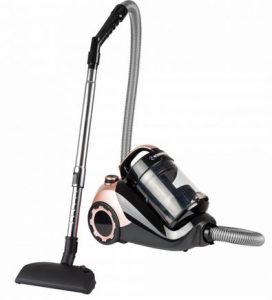
- Electric Current Powers the Motor: The motor is connected to a fan, which spins rapidly when powered.
- Fan Creates Airflow: The rotating fan blades push air towards the exhaust port, creating a high-pressure area in front of the fan.
- Pressure Difference: The air pressure behind the fan becomes lower than the atmospheric pressure outside the vacuum.
This pressure difference is the fundamental principle behind how a vacuum cleaner works. Similar to how drinking through a straw creates a low-pressure area to draw liquid upwards, the vacuum cleaner’s motor and fan create a low-pressure zone that pulls air—and any accompanying debris—into the machine.
Picking Up Dirt: The Role of Airflow and Friction
The stream of air generated by the vacuum acts much like a stream of water. When the vacuum moves over a surface, the moving air rubs against loose particles such as dust, dirt, and debris. If these particles are lightweight enough, they are lifted and carried into the vacuum.
Once the debris enters the vacuum, it travels through the intake port and into the porous bag or filter. These bags are designed with tiny holes, small enough to trap dirt and dust while allowing air to flow through. As a result, the particles are collected in the bag, while clean air is expelled through the exhaust port.
Factors Affecting Vacuum Cleaner Suction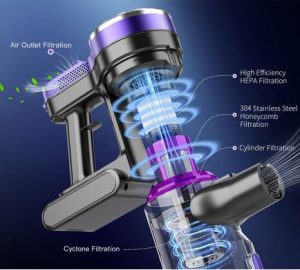
The strength of a vacuum cleaner’s suction depends on several key factors:
- Motor Power: A powerful motor generates faster fan rotation, creating stronger suction. However, high-wattage motors often consume more energy and can be noisier.
- Airflow Pathway: If the bag or filter becomes clogged with debris, the airflow faces resistance, reducing suction efficiency. Regularly replacing or cleaning the filter is essential for maintaining performance.
- Size of the Intake Port: A smaller intake port concentrates the suction power into a narrower area, increasing its effectiveness. This is why specialized attachments for corners or crevices can pick up dirt more efficiently.
- Sealing: Any air leaks in the vacuum’s structure will reduce suction power. High-quality vacuums are designed with tightly sealed components to maximize efficiency.
Types of Vacuum Cleaners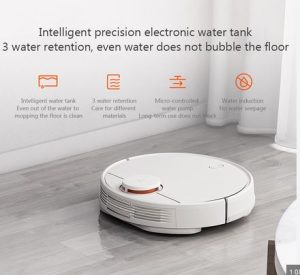
While the basic principles remain consistent, modern vacuum cleaners come in various types, each catering to different needs:
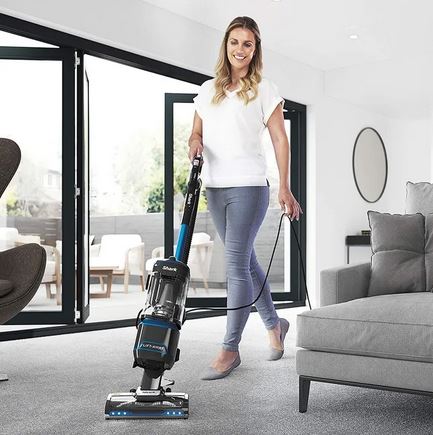
- Upright Vacuums: Ideal for deep-cleaning carpets, these vacuums often feature rotating brushes for enhanced dirt pickup.
- Canister Vacuums: Compact and versatile, canister vacuums are well-suited for hard floors, stairs, and furniture.
- Robotic Vacuums: Equipped with sensors and automation, robotic vacuums clean surfaces with minimal human intervention, making them perfect for busy households.
- Handheld Vacuums: Lightweight and portable, these are great for quick cleanups or reaching tight spaces.
- Stick Vacuums: Combining convenience with functionality, stick vacuums are slim, lightweight, and often cordless, making them easy to maneuver.
Each type offers unique advantages and is suited to specific cleaning scenarios, so it’s important to choose the one that best fits your requirements.
Maintaining Your Vacuum Cleaner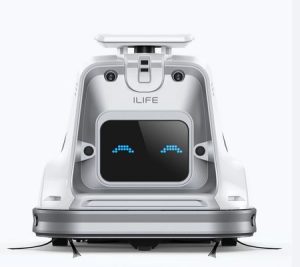
To ensure your vacuum cleaner performs optimally, regular maintenance is essential. Here are some tips:
- Empty or Replace Bags and Filters: A clogged bag or filter reduces suction power. Check and replace them as recommended by the manufacturer.
- Clean the Brush Roll: Remove hair and debris tangled around the brush roll to maintain efficiency.
- Inspect the Hose for Blockages: Periodically check the hose for obstructions that may impede airflow.
- Replace Worn Parts: Components like belts or filters can wear out over time. Replacing them ensures consistent performance.
- Store Properly: Keep your vacuum in a dry, cool place to prevent damage to the motor and other components.
Innovations in Vacuum Cleaner Technology
The vacuum cleaner industry has witnessed remarkable advancements in recent years. Features such as HEPA filters, designed to trap even the smallest allergens, have become a standard offering in many models. Cordless and bagless designs provide added convenience, while smart technology enables robotic vacuums to map rooms and avoid obstacles.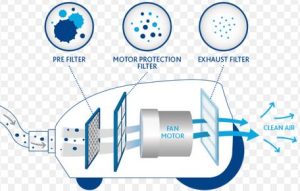
Energy efficiency is another focus, with manufacturers striving to create powerful yet eco-friendly vacuums. For example, cyclonic technology improves suction by separating dirt and air more effectively, while advanced motors consume less energy without compromising performance.
Conclusion
Vacuum cleaners are a marvel of engineering that simplify cleaning tasks by leveraging basic scientific principles. By understanding how these machines work, you can make more informed decisions when choosing or maintaining one. With regular care and the right features, a vacuum cleaner can provide years of reliable service, ensuring a cleaner and healthier environment for you and your family.
Choosing the Perfect Window Blinds