
 By admin
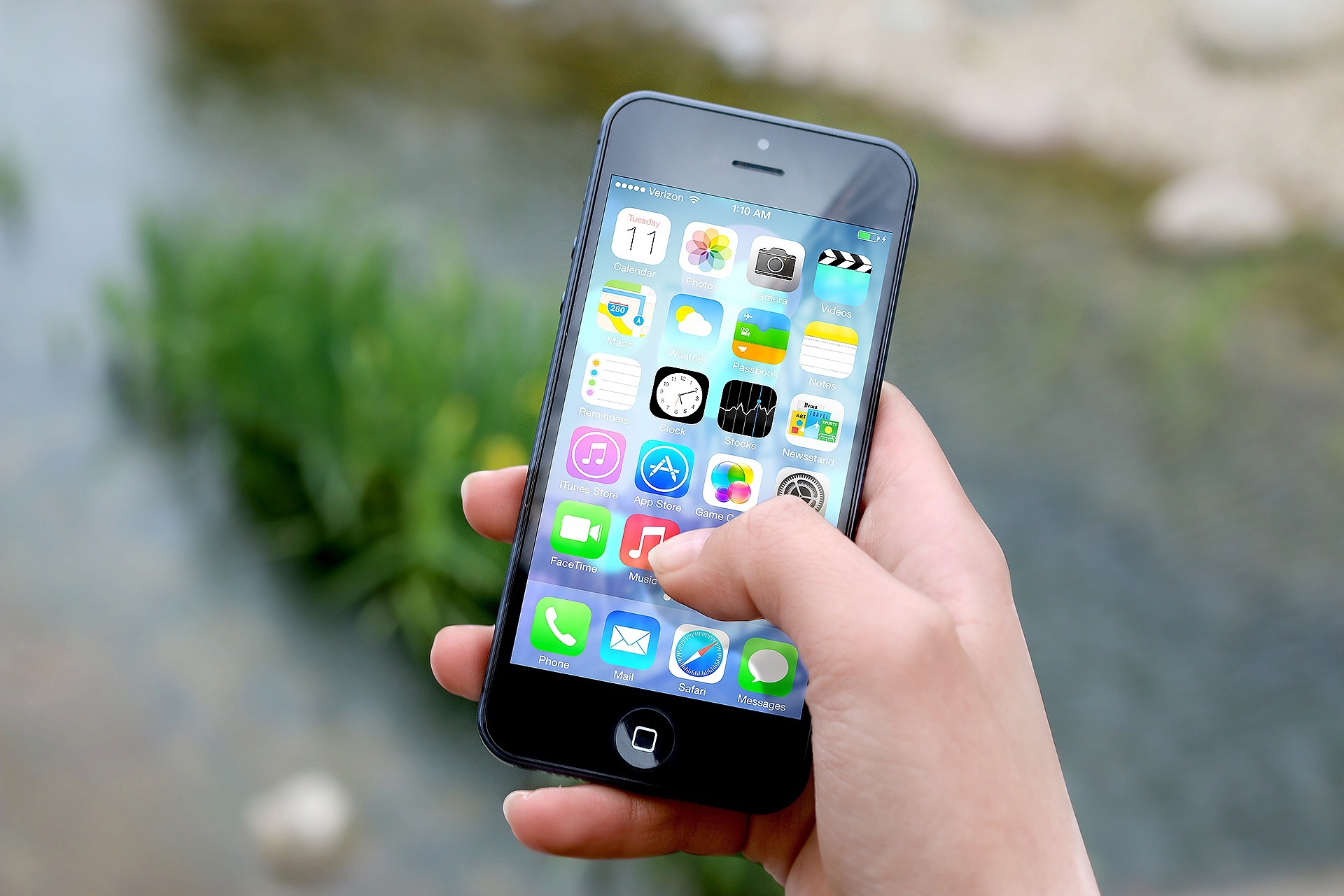
In the competitive landscape of mobile technology, simplicity and user-friendliness rank among the foremost features that consumers seek when purchasing a smartphone. Apple has effectively capitalized on this demand with the introduction of the iPhone, which has garnered widespread acclaim and popularity. The device makes communication seamless and enjoyable, offering a range of functionalities that have captivated users globally. However, despite its many strengths, the iPhone is not without its drawbacks. This analysis aims to highlight several critical issues associated with the iPhone, particularly concerning memory limitations, battery performance, and service plans provided by AT&T.
## Memory Limitations
One of the most significant downsides of the iPhone is its fixed memory capacity. Apple offers models with 6 GB, 8 GB, or 16 GB of storage, but users are unable to upgrade or expand this memory. For individuals who enjoy downloading music, videos, and other content, this limitation can quickly become problematic. Users often find themselves in the frustrating position of needing to frequently transfer files to and from their computers to manage their available space. The inconvenience of starting a download only to discover insufficient memory can lead to a negative user experience. This oversight is particularly pronounced among younger users, who tend to consume large quantities of digital media. The lack of options for expandable storage, such as memory cards or sticks, represents a missed opportunity for Apple to enhance user satisfaction.
## Battery Performance
Another critical area of concern for iPhone users is the device’s sealed battery, which cannot be replaced or upgraded. Many current iPhone owners express dissatisfaction with the lack of clear communication regarding this aspect of the device. Allegations have emerged that Apple failed to adequately disclose the limitations of the battery, leading to legal challenges. Given the investment required to purchase an iPhone, which typically ranges from $500 to $600, it is understandably frustrating for users to experience battery issues within a short period, such as six months post-purchase. The ability to replace cell phone batteries is a standard practice in the industry, and Apple’s decision to seal the battery appears to have backfired, resulting in significant user discontent. This dissatisfaction is compounded by the fact that short battery life is a common complaint among heavy mobile phone users, further diminishing the overall appeal of the iPhone.
## Service Plans and Network Limitations
The exclusive partnership between Apple and AT&T has also drawn criticism, particularly regarding the calling plans offered to iPhone users. Many consumers find these plans lacking in flexibility and value. For instance, the absence of options such as free calling between AT&T users, calling circles, or other unlimited usage arrangements places AT&T at a disadvantage compared to competing carriers. Additionally, limitations in network coverage and frequent service interruptions diminish the freedom that consumers expect from mobile phone usage. A primary reason for choosing a cell phone is the ability to make calls and stay connected whenever and wherever desired. Unfortunately, the exclusive agreement between Apple and AT&T creates a scenario where users feel trapped, as they have no alternative carriers to turn to for potentially better service. This exclusivity means that AT&T has little incentive to offer competitive rates or improved service to iPhone users, resulting in high roaming charges and fees that can add up significantly over time.
The situation is further complicated by the emergence of hackers who have found ways to unlock iPhones, allowing them to be used with other mobile networks. This trend underscores the frustration felt by consumers under the current exclusive arrangement. Until this exclusivity is lifted or addressed through legal channels, it seems likely that hacking will continue to be a workaround for users seeking more flexibility in their mobile service options.
## Conclusion
Apple has a long history of producing innovative computers and peripheral devices, which raises the question of why the company has not invested more effort into understanding the implications of memory constraints, battery life, and affordable service plans on user experience. The issues surrounding the iPhone—specifically, its lack of expandable memory, sealed battery, and restrictive service plans—could potentially lead to a decline in its popularity. As consumers become increasingly aware of these limitations, particularly in a market that is continuously evolving, they may seek alternatives that offer greater flexibility and user satisfaction.
The ongoing legal disputes regarding battery performance and the contractual relationship between Apple and AT&T are likely to shape the future of the iPhone. Until these issues are addressed, the iPhone’s reputation may suffer, impacting its standing in a competitive marketplace. In summary, while the iPhone has revolutionized mobile communication and offers a range of appealing features, it is essential for potential buyers to be aware of these significant downsides before making a purchase decision.