
 By admin
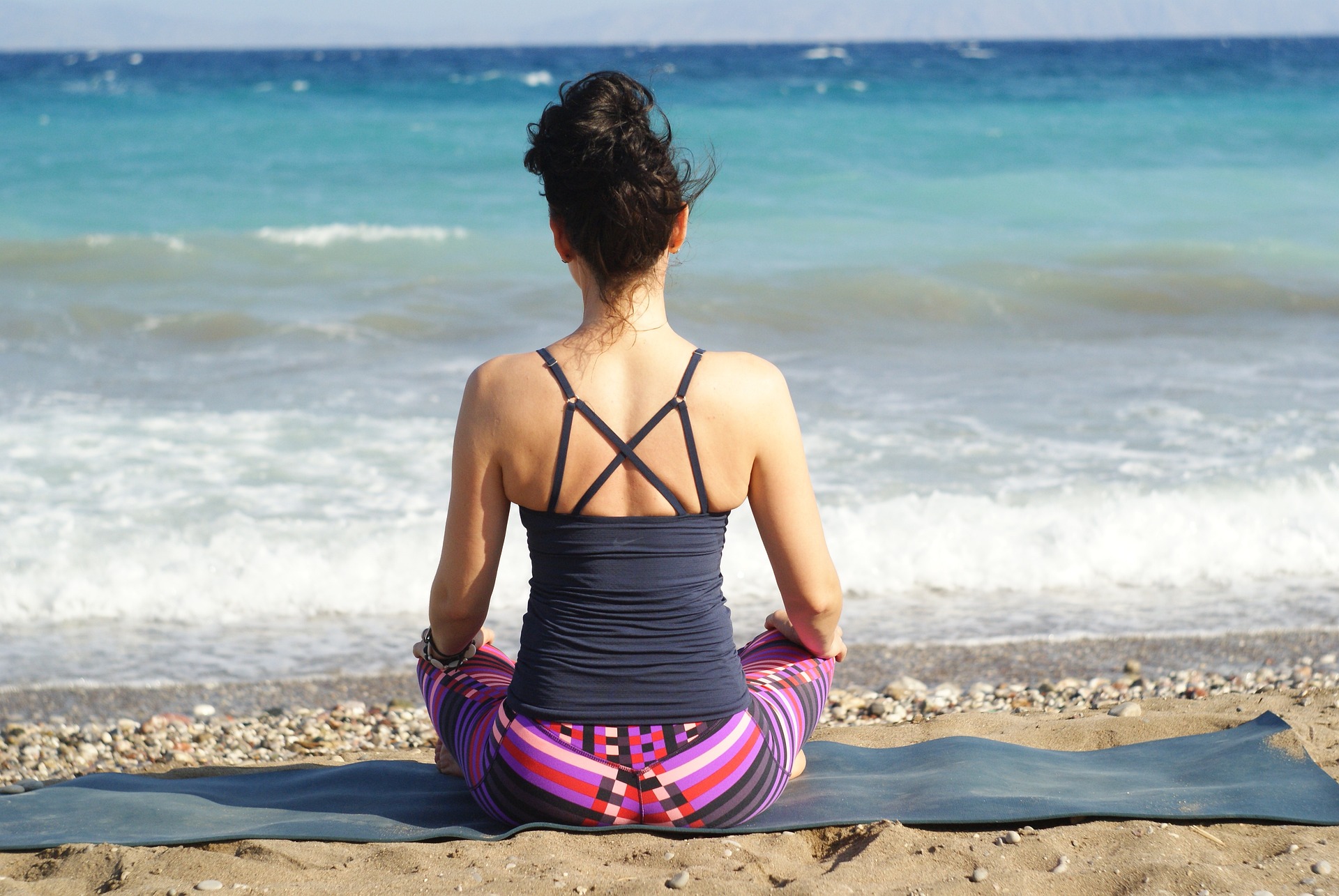
Meditation is a practice that embodies the art of consciously relaxing the body and focusing the mind. Over the years, countless practitioners have extolled its transformative effects, including heightened awareness, improved concentration, and a positive perspective on life. Though meditation is often associated with monks, mystics, and spiritual traditions, it is a universal practice accessible to anyone willing to explore its potential—no mysticism required.
The beauty of meditation lies in its versatility. You don’t need a serene mountaintop, a sacred temple, or even a dedicated meditation room to get started. Your living room, bedroom, or any comfortable space can serve as the perfect backdrop for this ancient practice.
Core Principles of Meditation
Despite the many forms of meditation practiced worldwide, its core principles remain universal. At its heart, meditation involves clearing the mind of obstructive, negative, or wandering thoughts, fostering a state of calm and focus. By quieting the mental chatter, practitioners create space for deeper, more meaningful engagement with their inner selves and the world around them.
Negative thoughts—whether they stem from noisy neighbors, stressful work environments, or life’s inevitable frustrations—act as pollutants in the mind. Meditation helps to cleanse this mental clutter, allowing for clarity and a renewed sense of purpose.
Some advanced practitioners even go to great lengths to eliminate all sensory input during meditation. They close their eyes to block out visual distractions, sit in quiet environments to escape noise, and avoid tactile engagement. While this level of detachment may initially feel jarring, especially for those accustomed to constant sensory stimulation, it often leads to a profound awareness of both internal and external realities.
Finding Your Comfort Zone
Popular depictions of meditation often feature practitioners in seemingly complex poses, backs arched or legs twisted into intricate configurations. However, meditation is less about physical contortion and more about finding a position that fosters relaxation and focus.
For beginners, a comfortable starting point might include sitting cross-legged on the floor, lying down on a supportive surface, standing, or even walking. The key is to maintain a posture that encourages alertness without unnecessary tension. If you’re sitting or standing, keep your back straight but relaxed. When lying down, avoid slouching or positions that might lead to sleep.
Comfortable clothing is also essential. Opt for loose, breathable garments that allow unrestricted movement. Tight-fitting attire can create discomfort, distracting you from the meditative process.
Creating a Conducive Environment
The environment in which you meditate plays a significant role in shaping your experience. Choose a location that feels peaceful and calming. Whether it’s a quiet corner of your home, a secluded spot in a park, or even a dimly lit room with soft furnishings, the space should inspire tranquility.
To enhance the ambiance, consider adding elements that soothe your senses. Aromatic candles or essential oils can provide a pleasing scent, while soft lighting or natural sunlight creates a warm atmosphere. If you prefer complete silence, select a spot far from the distractions of modern life, such as ringing phones or humming appliances.
However, if absolute silence isn’t feasible, gentle background sounds like nature recordings or ambient music can serve as a helpful alternative. The goal is to minimize disturbances, allowing your mind to settle into a meditative state.
Techniques to Enhance Focus
A common aspect of meditation involves the use of a mantra, which is a word, phrase, or sound repeated to aid concentration. While this practice is rooted in spiritual traditions, you don’t need to embrace mysticism to benefit from it. Simple techniques like focusing on your breath or gently humming can achieve a similar effect, helping you enter a state of heightened awareness.
For instance, focusing on the rhythm of your breath—the natural inhalation and exhalation—can serve as a powerful anchor for your attention. Alternatively, you might direct your focus to a particular object, such as a candle flame, or a thought that resonates deeply with you. Keeping your eyes open and fixating on a single sight can also be a valuable method for maintaining focus.
A Simple Routine for Beginners
Here’s a straightforward meditation routine to get you started:
- Settle into a Comfortable Position: Choose a posture that feels natural and supportive, ensuring your back is straight but not stiff.
- Close Your Eyes or Soften Your Gaze: This helps to minimize visual distractions and encourages inward focus.
- Focus on Your Breath: Pay attention to each inhalation and exhalation, noting the sensation of air entering and leaving your nostrils or the rise and fall of your chest.
- Perform a Body Scan: Silently direct your awareness to each part of your body, starting from the top of your head and moving downward. Observe any areas of tension and mentally release them.
- Embrace Stillness: If your mind begins to wander, gently guide it back to your breath or chosen point of focus.
Even a few minutes of practice each day can yield noticeable benefits, so start small and gradually increase the duration as you become more comfortable.
The Benefits of Meditation
Meditation is a low-risk, high-reward practice with scientifically proven benefits. Studies have shown that regular meditation can reduce stress, improve emotional well-being, and even contribute to better physical health by lowering blood pressure and boosting immunity.
As the medical community continues to explore the physiological and psychological effects of meditation, its potential as a tool for holistic health becomes increasingly evident. What once seemed mystical and esoteric is now gaining recognition as a legitimate area of scientific inquiry.
Final Thoughts
Meditation is not about perfection; it is about presence. Whether you dedicate five minutes or an hour to the practice, the key is consistency and openness to the experience. By integrating meditation into your daily routine, you’ll cultivate a deeper connection to yourself and the world around you.
So, channel your inner Yoda, find your calm, and embark on this journey of self-discovery. May the serenity be with you!