
 By admin
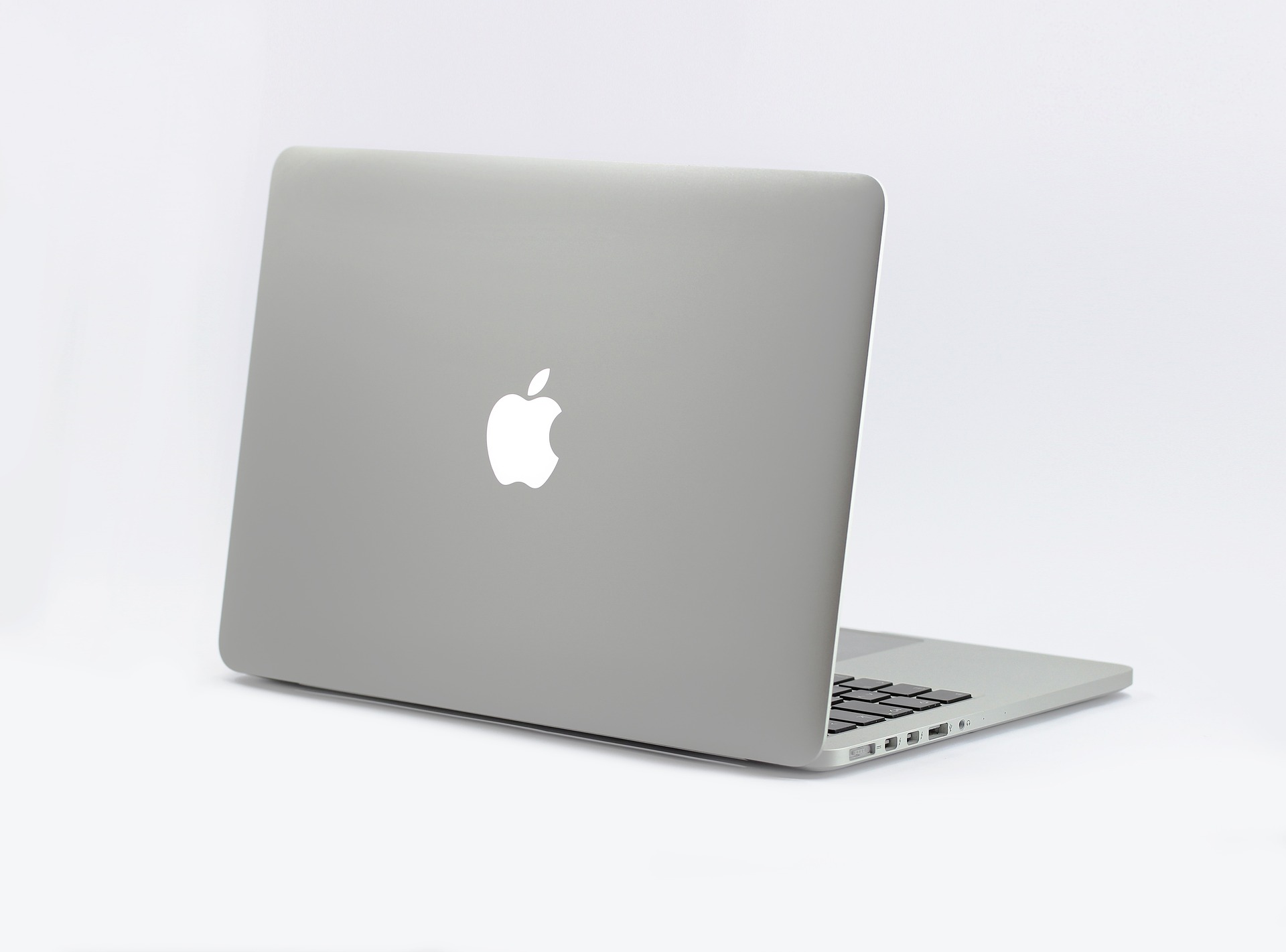
The Evolution of the Macintosh: A Game-Changer in Personal Computing
The Mac computer, formally known as the Macintosh, has stood as a revolutionary force in the personal computing industry since its inception. Created by Apple Inc. in the late 1970s and officially launched in 1984, the Mac quickly positioned itself as the principal competitor to IBM-based personal computers. Over the years, it has remained a trailblazer in both personal and professional computing markets, leaving a profound impact on technology, design, and user experience.
A Pioneer in Graphical User Interfaces
One of the most significant contributions of the Macintosh was its introduction of the graphical user interface (GUI) and the mouse, replacing the then-standard command-line interface. This innovation was groundbreaking, offering a user-friendly environment that made computing more accessible to a broader audience. The Mac’s GUI-based system was instrumental in democratizing technology, appealing not just to tech-savvy individuals but also to everyday users.
The Concept of Vertical Integration
A key differentiator of the Mac is its reliance on vertical integration. Unlike other personal computers that source operating systems and hardware components from multiple vendors, Apple designs and manufactures all elements of the Mac ecosystem. This approach ensures seamless integration between hardware and software, resulting in a cohesive and reliable user experience. This philosophy underpins Apple’s commitment to delivering high-quality products that prioritize performance and usability.
The Revolutionary Launch of the Macintosh
The Mac’s debut in 1984 was marked by an iconic Super Bowl commercial directed by Ridley Scott. The ad portrayed a dystopian “Big Brother” figure representing IBM, with a rebellious woman hurling a sledgehammer to shatter the screen. This dramatic imagery symbolized Apple’s mission to “bring power to the people” by challenging the dominance of text-based computing. The Macintosh went on sale two days after the ad aired, priced at $2,495, and included two innovative programs: MacWrite and MacPaint, designed to showcase the system’s graphical capabilities.
Early Challenges and Criticisms
Despite its innovative features, the early Mac faced skepticism. Its GUI-centric design required existing text-based and command-driven software to be completely reimagined, a daunting task that many developers were reluctant to undertake. This resulted in a limited software ecosystem during the Mac’s initial years. Furthermore, users accustomed to command-line interfaces often dismissed the Mac as a “toy” rather than a serious tool. However, these challenges did not deter Apple from refining its products and pushing the boundaries of what a personal computer could achieve.
Innovation Through the Years
Apple’s relentless commitment to innovation has led to numerous iterations of the Macintosh, each setting new benchmarks in design and functionality. Notable milestones include the introduction of the PowerBook, which revolutionized the laptop market, and the release of the iMac, celebrated for its sleek design and all-in-one form factor. The Mac mini further exemplifies Apple’s ability to combine compactness with powerful performance, appealing to users seeking an entry-level Mac experience.
Mac’s Role in Creative and Professional Markets
The Mac has become synonymous with creativity and professional excellence. Industries such as graphic design, video production, and music rely heavily on Mac systems for their robust performance, superior software support, and intuitive interfaces. Applications like Final Cut Pro, Logic Pro, and Adobe Creative Suite are optimized for macOS, making the Mac the preferred choice for creatives and professionals alike.
macOS: A Cutting-Edge Operating System
The operating system powering the Mac, macOS, is another pillar of its success. Known for its stability, security, and user-friendly design, macOS continuously evolves to meet the needs of modern users. Features such as Continuity, which integrates the Mac with other Apple devices like the iPhone and iPad, and cutting-edge privacy protections highlight Apple’s commitment to innovation and user satisfaction.
Mac in the Education Sector
The Mac has also played a pivotal role in transforming education. With devices tailored for students and educators, Apple has fostered a dynamic learning environment that emphasizes creativity and collaboration. Tools like iWork, iMovie, and GarageBand empower students to express themselves, while the seamless integration with Apple’s ecosystem ensures that learning remains uninterrupted across devices.
The Transition to Apple Silicon
In 2020, Apple announced a monumental shift in its computing lineup: the transition from Intel processors to Apple Silicon. The introduction of the M1 chip marked a new era for the Mac, delivering unparalleled performance and energy efficiency. Subsequent iterations, including the M2 and M3 chips, have further solidified Apple’s leadership in processor technology, offering users faster performance, longer battery life, and advanced machine-learning capabilities.
Sustainability and the Future of Mac
Apple’s commitment to sustainability is evident in the design and production of the Mac. From using recycled materials in its components to achieving carbon-neutral manufacturing processes, Apple ensures that its innovations do not come at the expense of the environment. Looking ahead, the Mac’s evolution will likely continue to prioritize sustainability alongside technological advancement.
Why the Mac Stands Out
Several factors contribute to the enduring popularity of the Mac:
- Design Excellence: Apple’s focus on aesthetics and functionality ensures that every Mac is both visually appealing and user-friendly.
- Reliability: The seamless integration of hardware and software minimizes issues and maximizes efficiency.
- Ecosystem Integration: The ability to work effortlessly with other Apple devices enhances productivity and convenience.
- Innovative Features: From Retina displays to advanced security features, the Mac consistently offers cutting-edge technology.
- Customer Loyalty: Apple’s commitment to customer satisfaction has cultivated a dedicated user base that values quality and innovation.
The Legacy of the Macintosh
As the computing landscape continues to evolve, the Mac remains at the forefront, adapting to new technologies and user needs. From its revolutionary beginnings to its current status as a powerhouse in the tech industry, the Macintosh has consistently challenged conventions and redefined what’s possible in personal computing. Whether you’re a creative professional, a student, or a business user, the Mac offers a compelling blend of performance, design, and innovation that few competitors can match.
In conclusion, the Mac is more than just a computer—it’s a testament to Apple’s vision of empowering users through technology. With its rich history, unwavering commitment to quality, and forward-looking approach, the Mac is poised to remain a cornerstone of the computing world for years to come.