
 By admin
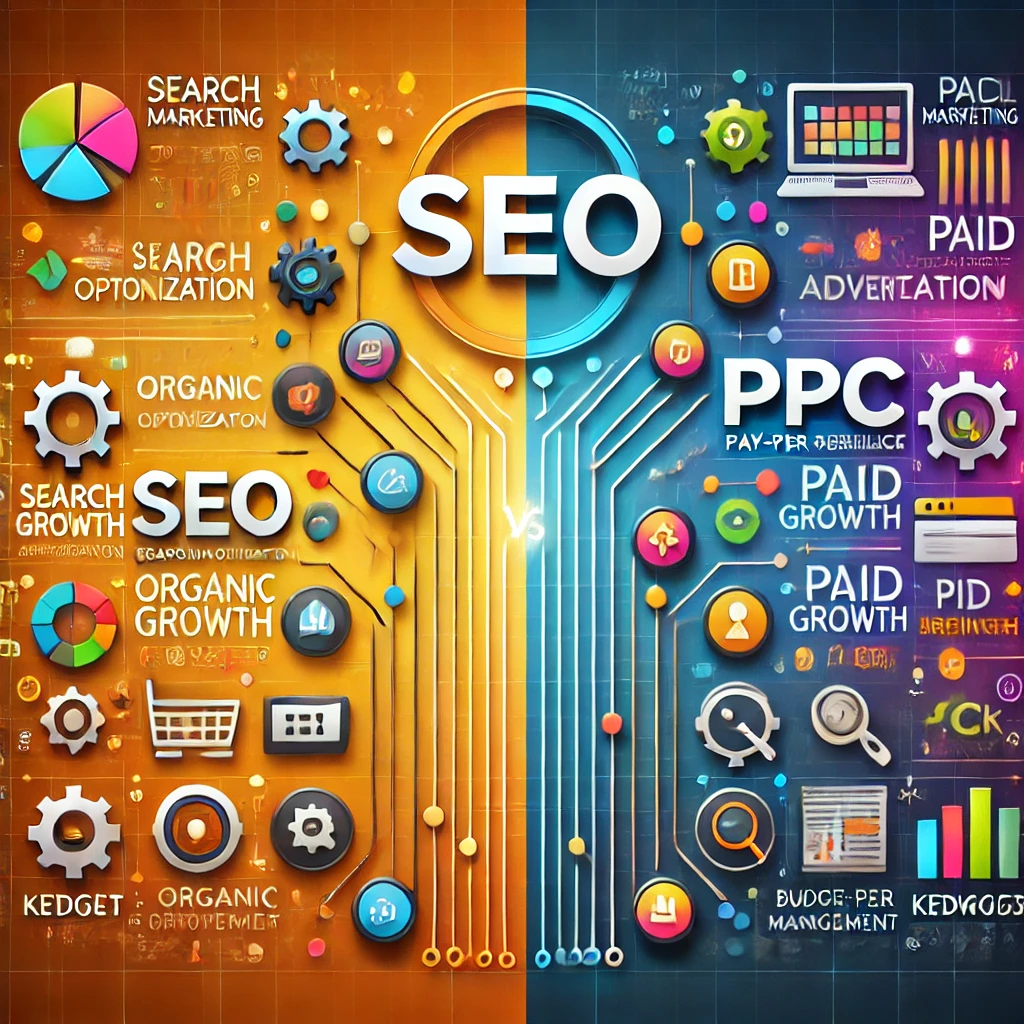
To SEO or To PPC?
The digital landscape represents a vast marketplace brimming with opportunities for businesses to tap into a global audience. With millions of potential consumers active online daily, having an internet presence is no longer optional but essential. However, this expansive marketplace also brings with it immense competition, making it critical for businesses to strategize effectively to stand out.
Merely having a website is insufficient to drive business success. To thrive and outpace competitors, your website must be visible, easily accessible, and frequently visited. This visibility doesn’t happen by chance but through deliberate marketing efforts. Two of the most effective strategies for online marketing are Search Engine Optimization (SEO) and Pay-Per-Click (PPC) advertising. Understanding their mechanisms, benefits, and best use cases can help businesses decide which approach aligns with their goals.
1. What is SEO?
Search Engine Optimization (SEO) involves optimizing your website to rank higher on search engine results pages (SERPs). Research shows that 60-70% of internet users rely on search engines like Google to find information, products, or services. By leveraging SEO, businesses can position their websites prominently, increasing visibility and attracting organic traffic.
SEO requires a well-planned strategy, focusing on:
- Keyword Research: Identifying high-value keywords relevant to your business that potential customers frequently search for.
- Content Optimization: Creating and optimizing high-quality, engaging content that addresses user queries while strategically incorporating keywords.
- Technical SEO: Ensuring your website is user-friendly, mobile-optimized, and fast-loading.
- Backlink Building: Establishing an Independent Back-Linking Network (IBLN) by acquiring high-quality links from reputable websites to boost your site’s authority.
One of SEO’s significant advantages is its cost-effectiveness. While it demands time, effort, and expertise to implement, businesses do not have to pay for each click or visit. However, SEO is a long-term strategy that may take months (six or more) to deliver significant results. Once established, though, it provides a consistent stream of organic traffic and a sustainable return on investment (ROI).
2. What is PPC?
Pay-Per-Click (PPC) advertising offers an alternative route to visibility by allowing businesses to bid for ad placement in search engine results or on other platforms. These are the sponsored listings you see at the top of SERPs or across other online platforms. With PPC, businesses pay a fee each time a user clicks on their ad, ensuring that the campaign directly drives traffic.
Key elements of PPC include:
- Ad Creation: Crafting compelling ads that attract clicks and effectively communicate the value proposition.
- Bidding: Participating in an auction where advertisers bid on keywords relevant to their ads. Higher bids often lead to better ad placements.
- Targeting: Specifying the target audience based on criteria like geography, demographics, or industry.
- Budget Control: Setting a budget to cap spending and ensuring the campaign aligns with financial goals.
Advantages of PPC Advertising
PPC offers unique benefits that make it an appealing choice for businesses seeking immediate results:
- Immediate Visibility: Unlike SEO, which takes time, PPC campaigns can start driving traffic as soon as they go live.
- Precise Targeting: PPC platforms allow advertisers to tailor their campaigns to specific audiences, ensuring that the ads reach relevant users.
- Budget Flexibility: Businesses can control their spending by setting daily or campaign-level budgets. Once the allocated budget is exhausted, ads stop running, preventing overspending.
- Fraud Protection: Advanced algorithms detect and prevent fraudulent clicks, protecting advertisers from incurring costs from invalid activity.
- Performance Analytics: PPC platforms provide detailed metrics, allowing advertisers to track performance and optimize campaigns in real-time.
Choosing Between SEO and PPC
Deciding between SEO and PPC depends on your business goals, budget, and timeline. Here are some key considerations:
When to Choose SEO
- Long-Term Growth: If you’re focused on building sustainable, long-term traffic, SEO is the better choice.
- Budget Constraints: Since SEO does not require ongoing payments for traffic, it’s ideal for businesses with limited budgets.
- Brand Authority: A strong organic presence builds credibility and trust among users.
When to Choose PPC
- Immediate Results: For businesses needing quick traffic or promoting time-sensitive offers, PPC is the way to go.
- Targeted Campaigns: If you need to reach a specific audience segment, PPC’s targeting options are highly effective.
- Test Marketing Strategies: PPC allows businesses to test ad copy, keywords, and strategies in real-time, providing valuable insights for refining broader marketing efforts.
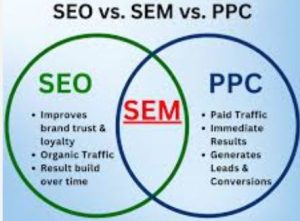
Combining SEO and PPC for Maximum Impact
While both strategies offer unique advantages, they are not mutually exclusive. Combining SEO and PPC can deliver powerful results. For instance:
- PPC Can Support SEO Goals: Insights from PPC campaigns, such as high-performing keywords, can inform and enhance your SEO strategy.
- SEO Reduces PPC Costs: As your organic rankings improve, you may rely less on paid ads, reducing your overall advertising spend.
- Dual Visibility: Having both organic and paid listings increases your presence on SERPs, maximizing clicks and visibility.
Conclusion
The choice between SEO and PPC ultimately depends on your business’s unique needs and objectives. SEO is a long-term investment that fosters sustained growth and credibility, while PPC provides immediate visibility and highly targeted reach. By evaluating your short-term and long-term goals, you can determine which approach aligns best with your strategy—or, better yet, leverage both to achieve comprehensive online success.
The digital world is teeming with opportunities. By choosing the right tools and strategies, you can carve out a space for your business, driving growth and achieving your entrepreneurial vision. Success lies in your hands—invest wisely, and the rewards will follow.
The Ultimate Guide for Entrepreneurs