
 By admin
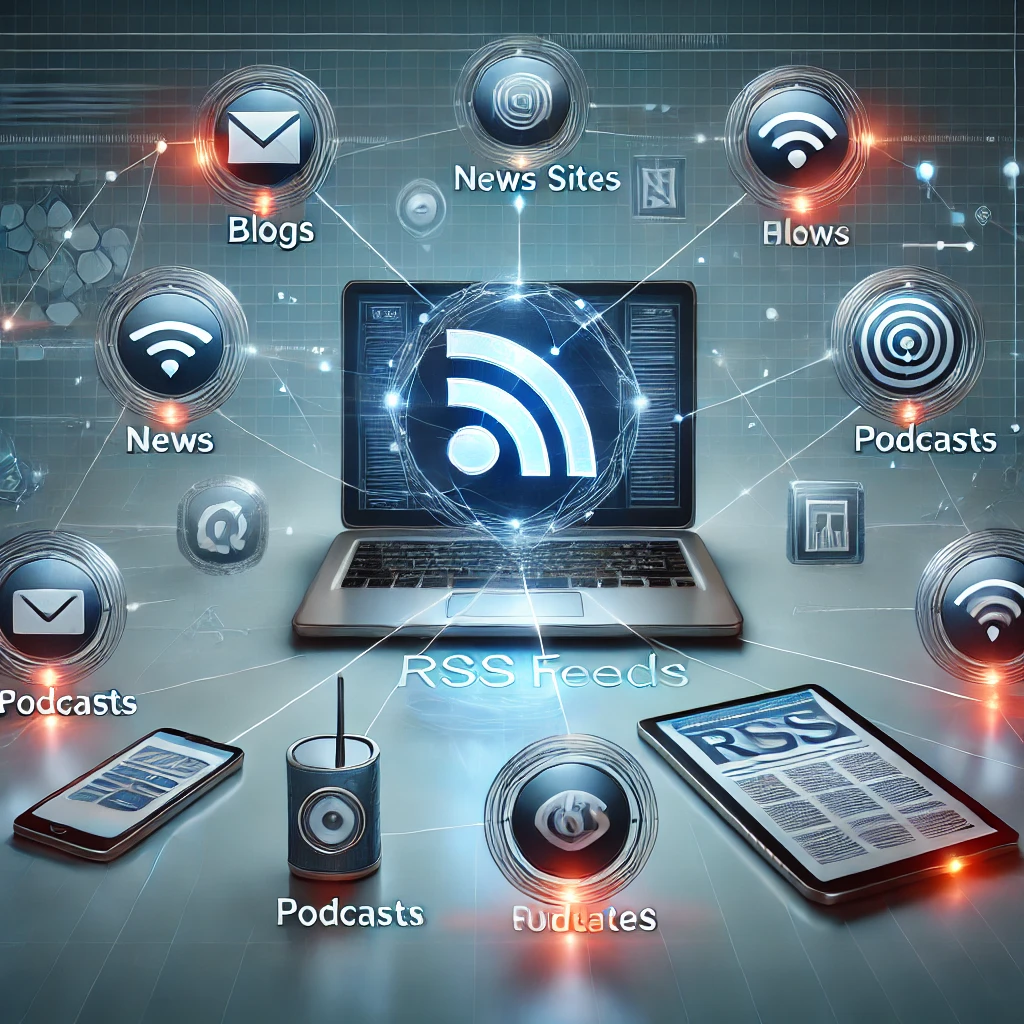
In the fast-paced digital age, where information is a click away, staying updated on your favorite websites and blogs can feel overwhelming. Enter Really Simple Syndication (RSS), a powerful tool designed to streamline your information consumption. RSS feeds simplify the process of keeping track of new updates and content on websites, delivering them directly to you in real time. This article delves deep into RSS feeds, explaining their functionality, benefits, and why they remain a crucial tool for online users and content creators alike.

What Are RSS Feeds?
RSS stands for Really Simple Syndication, a format that uses XML (Extensible Markup Language) to distribute updated content from websites to subscribers. Instead of manually visiting multiple websites, users can subscribe to RSS feeds to receive real-time updates. These updates often include headlines, summaries, and links to full articles, allowing users to decide what content interests them without navigating through entire websites.
Initially popularized by blogs and news sites, RSS feeds are now used by virtually any platform that frequently updates its content—from podcasts to e-commerce sites. The process is seamless: RSS scans a website’s content for updates and transmits this information directly to subscribers via an RSS feed reader or aggregator.
How RSS Feeds Work
To access RSS feeds, you need a tool called an aggregator or feed reader. These tools collect and organize updates from your subscribed feeds in one convenient location. Many feed readers are freely available online, making it easy to find one that suits your needs. Moreover, RSS feeds are compatible with smartphones and PDAs, allowing users to stay informed on the go.
Subscribing to a feed is straightforward. Most websites that offer RSS functionality display an “RSS” or “XML” button, typically on their homepage or in the footer. Clicking this button often subscribes you to the feed automatically. Alternatively, you may need to copy and paste the feed’s URL into your aggregator. Once subscribed, you’ll start receiving updates almost instantly. If you decide to unsubscribe, removing the feed from your aggregator is just as simple.
Benefits of Using RSS Feeds
RSS feeds offer numerous advantages for both readers and publishers. Below are some of the most notable benefits:

For Readers:
- Time-Saving Convenience: Instead of visiting multiple websites, RSS feeds deliver all updates in one location, saving time and effort.
- Real-Time Updates: RSS ensures you’re always up to date with the latest news, articles, or content.
- Spam-Free Experience: Unlike email newsletters, RSS feeds bypass spam filters and deliver updates directly to your feed reader.
- Customizable Content: Users can choose to subscribe only to feeds that align with their interests, ensuring a personalized experience.
For Publishers:
- Increased Visibility: By offering an RSS feed, publishers can attract and retain more readers who may otherwise forget to visit their website.
- Audience Engagement: RSS helps maintain consistent communication with readers, fostering loyalty and trust.
- Simplified Content Distribution: With RSS, publishers can distribute content efficiently across multiple platforms and reach a broader audience.
RSS vs. Email Newsletters
While email newsletters remain a popular way to distribute updates, RSS feeds offer distinct advantages. With email subscriptions, users must wait for scheduled updates, which may be delayed or lost in spam filters. RSS feeds, on the other hand, provide immediate access to new content without the need for an email address. This real-time accessibility ensures users never miss important updates.
Aggregators: The Backbone of RSS Feeds
Aggregators, also known as feed readers, are essential for accessing RSS feeds. They come in various forms, each catering to different user preferences:
- Web-Based Aggregators: These allow users to access their feeds via a web browser. Examples include Feedly and Inoreader.
- Desktop Aggregators: Installed on a computer, these tools offer offline access to feeds. Examples include RSSOwl and FeedDemon.
- Mobile Aggregators: These apps provide on-the-go access to RSS feeds on smartphones and tablets. Examples include Flipboard and Reeder.
Aggregators also offer advanced features, such as combining multiple feeds into one view, filtering out previously read items, and categorizing feeds for easier navigation.
Why Offer an RSS Feed?
For content creators and website owners, providing an RSS feed can significantly enhance audience engagement. Here’s why:
- Convenience for Readers: By enabling users to subscribe to updates, you make it easier for them to stay connected with your content without actively revisiting your site.
- Improved Website Traffic: Regular updates delivered via RSS can drive consistent traffic to your website, as subscribers are more likely to click through to read full articles.
- Enhanced Visibility: RSS feeds increase your online presence, making it easier for readers to discover and follow your content.
- Cost-Effective Distribution: RSS feeds are an efficient way to distribute content without relying on costly marketing campaigns or email lists.
Choosing the Right RSS Format
RSS feeds come in various formats, each with its own unique features. The three most common formats are:
- RSS 1.0: Known for its extensibility and compatibility with Semantic Web systems, this format is ideal for advanced users.
- RSS 2.0: The most popular and user-friendly format, RSS 2.0 is easy to create manually and widely supported.
- Atom: As an IETF standard, Atom offers stability and a robust community of users and developers, making it a reliable choice.
Most modern aggregators can interpret multiple formats, so the choice often boils down to personal preference and technical requirements.

RSS in Today’s Digital Landscape
Despite the rise of social media and other content distribution platforms, RSS remains a valuable tool for many users. Its simplicity, reliability, and versatility make it an enduring favorite for those who value direct and uninterrupted access to updates. Whether you’re a casual reader or a content creator, RSS feeds offer a practical solution for staying connected in an increasingly cluttered digital world.
Conclusion
RSS feeds are a testament to the power of simplicity in technology. By streamlining the process of content consumption and distribution, they benefit both users and publishers alike. Whether you’re looking to stay updated on your favorite topics or expand your audience reach, RSS feeds are a reliable and efficient solution. With countless aggregators and formats available, there has never been a better time to embrace this timeless tool. Start leveraging RSS today and experience the ease of staying informed like never before.
The Ultimate Guide for Entrepreneurs