
 By admin

The Critical Role of Vitamin B12 in Maintaining Optimal Health
Vitamin B12, also known as cobalamin, is a vital nutrient that plays an essential role in maintaining overall health and well-being. This water-soluble vitamin is part of the B-complex family and is indispensable for various physiological processes. From supporting energy production to safeguarding neurological health, the importance of vitamin B12 cannot be overstated. Despite its significance, deficiencies are not uncommon, particularly among certain populations, making awareness and proper supplementation critical.
In this article, we will explore the numerous functions of vitamin B12, the sources from which it can be obtained, the symptoms of deficiency, and the importance of maintaining adequate levels for long-term health.

The Biological Functions of Vitamin B12
1. Energy Production
One of the primary functions of vitamin B12 is its involvement in energy production. It assists in the metabolic conversion of carbohydrates, fats, and proteins from food into usable energy. This process is facilitated by the vitamin’s role in supporting the functioning of enzymes that are crucial for cellular energy production.
2. Red Blood Cell Formation
Vitamin B12 is essential for the formation of healthy red blood cells. These cells are responsible for transporting oxygen throughout the body. Without adequate levels of B12, red blood cells can become abnormally large and irregularly shaped, leading to a condition called megaloblastic anemia. This type of anemia can result in fatigue, weakness, and other related symptoms.
3. Neurological Health
Another critical role of vitamin B12 is its contribution to the maintenance of the nervous system. It is necessary for the production of myelin, a fatty substance that forms a protective sheath around nerve cells. Myelin ensures the efficient transmission of nerve signals, which is vital for brain function and overall neurological health. Insufficient levels of B12 can lead to neurological issues, including memory loss, cognitive decline, and even severe conditions such as neuropathy.

4. DNA Synthesis and Cell Division
Vitamin B12 is a key player in DNA synthesis, which is crucial for the replication and repair of cells. This makes it particularly important for rapidly dividing cells, such as those in the bone marrow that produce blood cells. Proper DNA synthesis ensures the integrity of genetic material and supports overall cellular health.
Recommended Daily Intake and Absorption
Although the body requires only small amounts of vitamin B12, it is essential to obtain it regularly through diet or supplements. The recommended dietary allowance (RDA) for vitamin B12 varies by age and life stage:
- Adults: 2.4 micrograms per day
- Pregnant women: 2.6 micrograms per day
- Breastfeeding women: 2.8 micrograms per day
Despite its availability in various food sources, the absorption of vitamin B12 can be complex. The stomach produces a protein called intrinsic factor, which binds to vitamin B12 and facilitates its absorption in the small intestine. Without sufficient intrinsic factor, the body cannot effectively absorb the vitamin, leading to deficiencies.
Dietary Sources of Vitamin B12
Vitamin B12 is primarily found in animal-based foods, making it challenging for vegetarians and vegans to obtain adequate amounts from their diets. Some of the richest dietary sources include:
- Liver: One of the most concentrated sources of B12
- Fish: Particularly salmon, trout, and tuna
- Meat: Beef, poultry, and pork
- Dairy products: Milk, cheese, and yogurt
- Eggs: A modest source of B12

For individuals who follow plant-based diets, fortified foods such as plant-based milk, breakfast cereals, and nutritional yeast can provide alternative sources of B12. Additionally, supplements and B12 injections are often recommended for those who are at risk of deficiency.
Risk Factors and Causes of Vitamin B12 Deficiency
Vitamin B12 deficiency can occur due to various reasons, including inadequate dietary intake, malabsorption issues, or medical conditions that impair the body’s ability to utilize the vitamin.
1. Age-Related Decline in Absorption
As people age, their stomachs produce less intrinsic factor, which is necessary for B12 absorption. This decline often begins around the age of 50, making older adults more susceptible to deficiency.
2. Vegetarian and Vegan Diets
Since vitamin B12 is predominantly found in animal-derived foods, strict vegetarians and vegans are at a higher risk of deficiency. Without proper supplementation or consumption of fortified foods, these individuals may experience symptoms of B12 deficiency over time.
3. Medical Conditions
Certain medical conditions can hinder the absorption of vitamin B12. These include:
- Pernicious Anemia: An autoimmune condition that reduces intrinsic factor production
- Gastrointestinal Disorders: Conditions such as Crohn’s disease, celiac disease, and irritable bowel syndrome
- Stomach or Intestinal Surgeries: Procedures like gastric bypass can impact absorption
4. Medications
Some medications, such as proton pump inhibitors (used for acid reflux) and metformin (used for diabetes), can interfere with vitamin B12 absorption.
Symptoms of Vitamin B12 Deficiency
A deficiency in vitamin B12 can manifest in a variety of ways, ranging from mild to severe. Common symptoms include:
- Fatigue and Weakness: Due to reduced oxygen transport caused by anemia
- Neurological Symptoms: Numbness, tingling sensations, and difficulty walking
- Cognitive Decline: Memory loss, confusion, and difficulty concentrating
- Mood Changes: Depression and irritability
- Pale or Jaundiced Skin: Caused by impaired red blood cell production
If left untreated, a prolonged deficiency in vitamin B12 can lead to irreversible neurological damage and other serious health complications.

The Importance of Vitamin B12 During Pregnancy and Childhood
Pregnant women require higher levels of vitamin B12 to support the growth and development of the fetus. Adequate B12 levels are crucial for the formation of the baby’s nervous system and red blood cells. Deficiency during pregnancy can increase the risk of birth defects and developmental delays.
Similarly, children need sufficient B12 for healthy growth and brain development. Infants born to mothers with B12 deficiency are at a higher risk of developing symptoms, emphasizing the importance of maternal nutrition during pregnancy and breastfeeding.
Preventing and Treating Vitamin B12 Deficiency
1. Regular Screening
Individuals at risk of deficiency, such as older adults, vegetarians, and those with medical conditions, should undergo regular blood tests to monitor their B12 levels. Early detection is key to preventing complications.
2. Dietary Adjustments
Incorporating B12-rich foods into the diet is the most natural way to maintain adequate levels. For vegetarians and vegans, fortified foods and supplements are essential.
3. Supplements and Injections
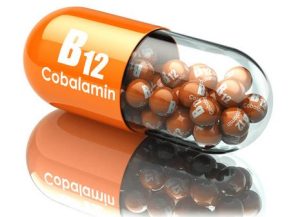
Oral supplements, sublingual tablets, and injections are effective ways to treat B12 deficiency. The choice of supplementation depends on the severity of the deficiency and the individual’s absorption capacity.
Conclusion
Vitamin B12 is a cornerstone of human health, supporting energy production, neurological function, and red blood cell formation. While it is found abundantly in animal-based foods, certain populations, including older adults, vegetarians, vegans, and individuals with specific medical conditions, are at risk of deficiency. Recognizing the symptoms and taking proactive measures to maintain optimal B12 levels is crucial for long-term health.
By prioritizing a balanced diet, regular screenings, and appropriate supplementation when necessary, individuals can ensure they reap the full benefits of this essential nutrient. In a world where nutritional deficiencies are increasingly common, vitamin B12 stands out as a vital component of a healthy lifestyle.
Comprehensive Guide to Acne and Its Treatment