
 By admin
Introduction
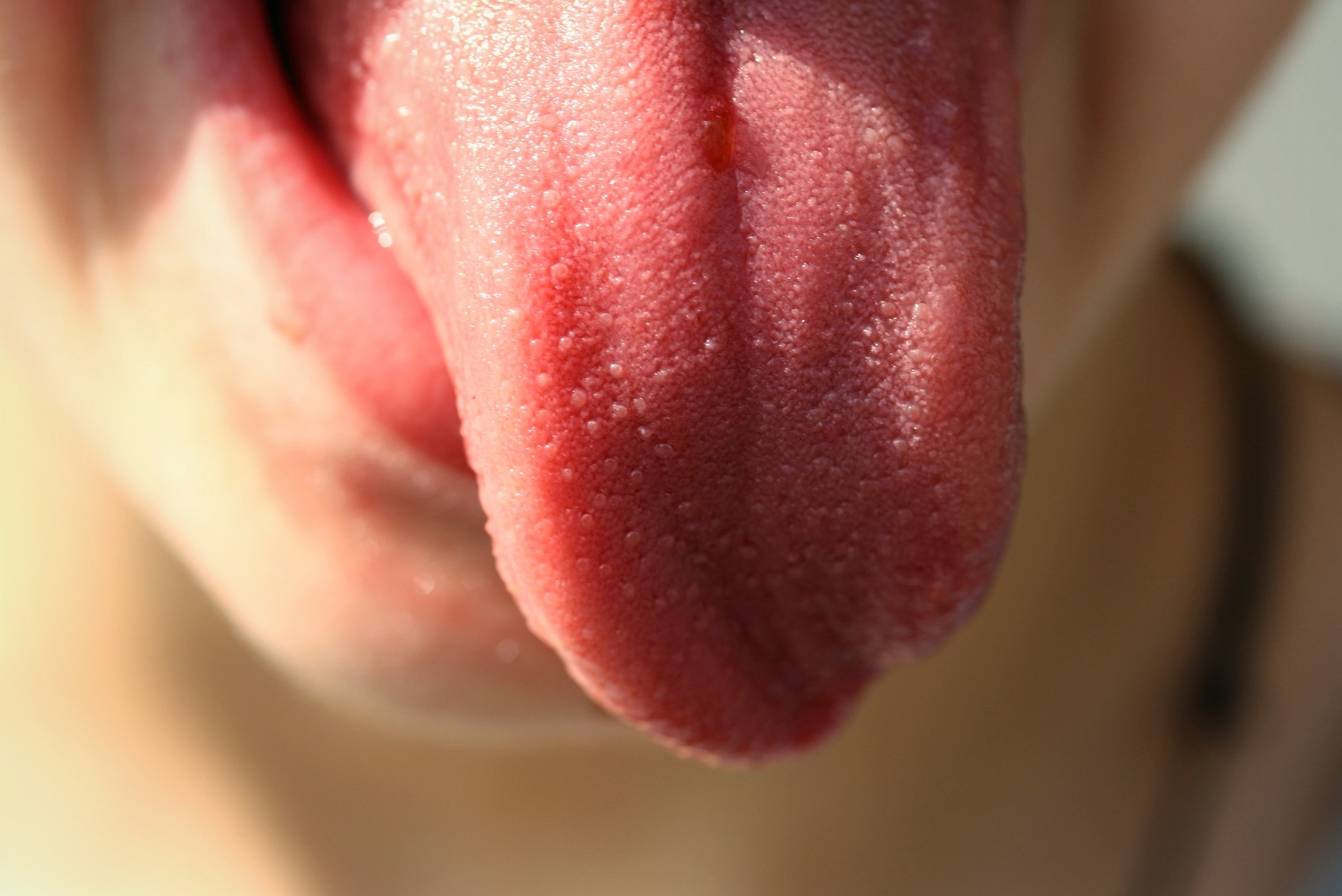
The tongue, a muscular organ crucial for swallowing, taste, and speech, serves as a readily accessible indicator of an individual’s overall health. Its appearance can provide vital clues about hydration levels and the functioning of the gastrointestinal system. Often referred to as the “mirror of the digestive system,” the tongue reflects abnormalities in stomach and intestinal function.
Examining the tongue is a critical diagnostic step for healthcare professionals. Changes in its size, shape, color, moisture, coating, papillae, and movement can offer valuable insights into a patient’s health condition.
Appearance of the Tongue in Various Conditions
1. Movements of the Tongue
- Hemiplegia: In cases of one-sided paralysis, the tongue deviates toward the paralyzed side when protruded.
- Tremors: Seen in conditions such as thyrotoxicosis, delirium tremens, Parkinson’s disease, and in anxious patients.
- Progressive Bulbar Palsy: Causes tongue paralysis, wasting, and fibrillation. Eventually, the tongue becomes shriveled and immobile, leading to drooling and loss of speech.
- Chorea: Involuntary rhythmic movements prevent the tongue from remaining steady when protruded.
2. Moistness of the Tongue
The tongue’s moisture level reflects the body’s hydration status. Dehydration can result in a dry, parched tongue, often associated with:
- Diarrhea
- Advanced illness
- Uremia
- Hypovolemic shock
- Heat exhaustion
- Hyponatremia
- Acute intestinal obstruction
- Starvation or prolonged fasting
3. Color Changes in the Tongue
- Cyanosis: A bluish discoloration caused by low blood oxygen levels, commonly seen in heart or respiratory failure.
- Jaundice: Yellowing of the tongue due to elevated bilirubin, often linked to liver diseases, bile duct obstruction, or excessive red blood cell destruction.
- Advanced Uremia: Causes a brown tongue, indicating kidney failure.
- Ketoacidosis: Seen in diabetes mellitus, presenting with a brown tongue and a characteristic ketone odor.
- Vitamin Deficiencies:
- Riboflavin (B2): Magenta tongue with soreness and lip fissures.
- Niacin (B3): Bright red or “beefy” tongue.
- Anemia: Severe cases lead to a pale tongue.
4. Coating on the Tongue
- Bad Breath: Often caused by a thick, pasty coating on the tongue harboring anaerobic bacteria.
- Typhoid Fever: White, fur-like coating on the tongue.
- Candidiasis: Fungal infection resulting in white, sloughing lesions.
- Diabetes and Hypoadrenalism: Similar sloughing lesions are observed.
- Syphilis: Secondary syphilis presents with smooth, white plaques.
- Leukoplakia: Precancerous white patches on the tongue and oral cavity.
- AIDS: Characterized by hairy leukoplakia.
- Peritonitis and Acute Illness: White furring of the tongue is common.
5. Changes in Papillae
- Hairy Tongue: Elongation of filiform papillae due to poor oral hygiene or indigestion.
- Geographic Tongue: Red and white patches resembling a map; the cause is unclear.
- Median Rhomboid Glossitis: A congenital smooth, nodular red area in the tongue’s posterior midline.
- Nutritional Deficiencies:
- Thiamine & Riboflavin (B2): Hypertrophied papillae.
- Niacin & Iron: Atrophy of papillae; smooth tongue in iron deficiency.
- Vitamin A: Furrowed tongue.
- Megaloblastic Anemia: Smooth tongue due to papillary atrophy.
6. Ulcers on the Tongue
- Aphthous Ulcers: Painful, round ulcers often triggered by stress or food allergies.
- Herpes Simplex: Vesicular eruptions forming ulcers.
- Cancerous Ulcers: Everted edges, hard base, and bleeding, common in tobacco users.
- Syphilitic Ulcers: Appear in various forms across primary, secondary, and tertiary stages.
- Dental Ulcers: Result from sharp or damaged teeth edges.
Conclusion
The tongue offers a wealth of diagnostic information, reflecting both systemic and localized health issues. Regular examination of its appearance, texture, and moisture can aid in the early detection of various diseases, providing crucial insights for timely medical intervention.