
 By admin
Beginner Mountain Biking Skills: A Comprehensive Guide
Mountain biking is an exhilarating sport that combines adventure, fitness, and a connection with nature. For beginners, mastering fundamental skills is essential to ensure safety, enhance performance, and enjoy the trails with confidence. This guide provides up-to-date techniques, expert advice, and practical tips to help new riders build a solid foundation in mountain biking.
1. Choosing the Right Mountain Bike
Selecting the right bike is crucial for comfort, control, and performance. Here are the main types of mountain bikes:
- Hardtail Bikes: These have front suspension only, making them lighter and more efficient for climbing and smooth trails.
- Full-Suspension Bikes: Equipped with both front and rear suspension, these bikes provide better shock absorption for rough terrains.
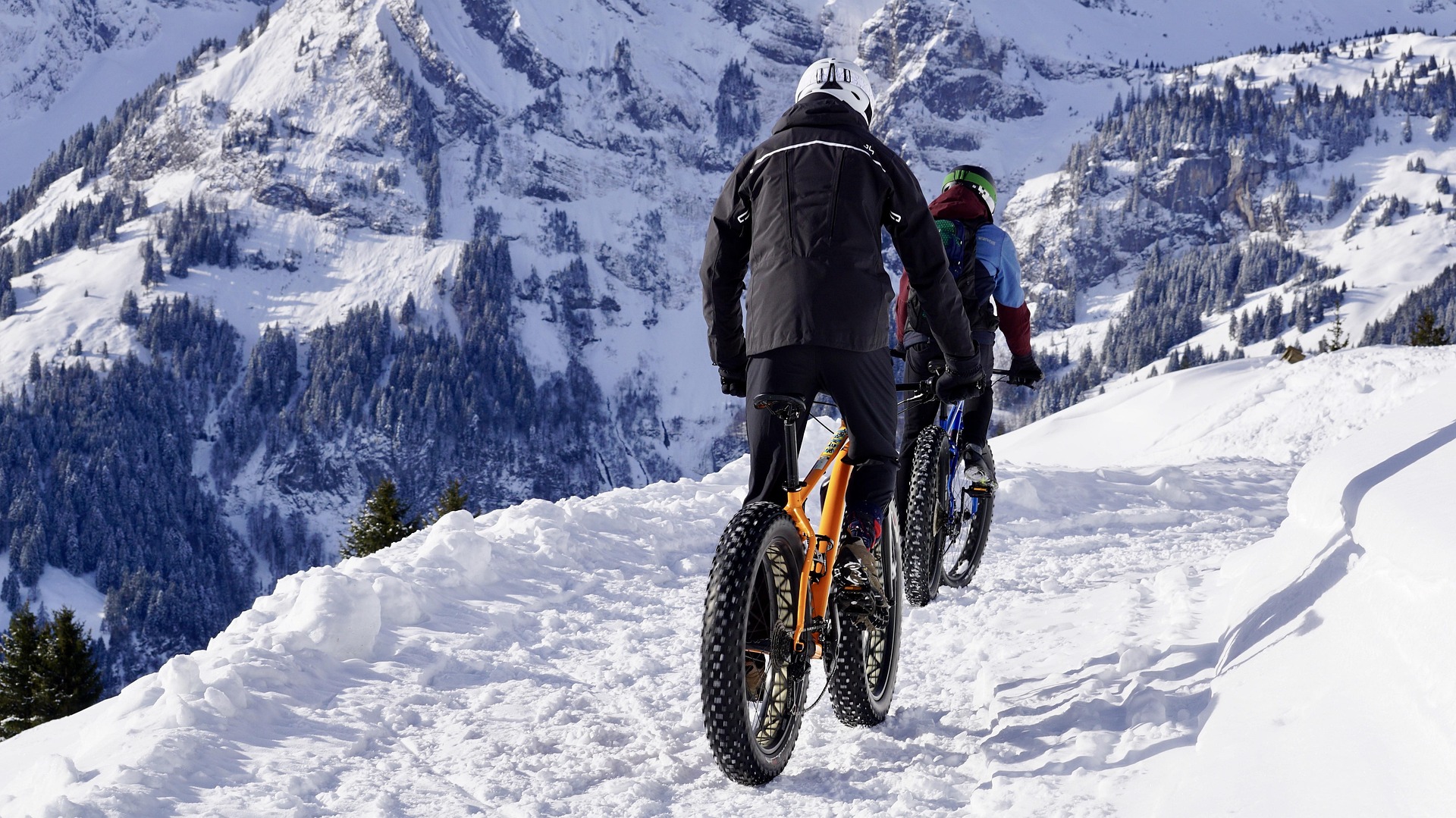
- Fat Bikes: With oversized tires, fat bikes offer superior traction on sand, snow, and loose surfaces.
Consulting with local bike shops or experienced riders can help you choose a bike that suits your riding style and local trail conditions.
2. Essential Gear and Safety Equipment
Having the right gear ensures safety and improves your riding experience:
- Helmet: A properly fitted, certified mountain biking helmet is a must for head protection.
- Gloves: Enhance grip and protect your hands from blisters and falls.
- Protective Eyewear: Shields your eyes from debris, insects, and harsh sunlight.
- Footwear: Sturdy shoes with good traction help with pedaling efficiency and bike control.
- Hydration System: A hydration pack or water bottles are essential for staying hydrated.
- Repair Kit: Carry a multi-tool, tire levers, spare tube, and pump to handle minor mechanical issues on the trail.
3. Mastering Fundamental Riding Positions
Adopting the correct body position is essential for control and balance:
- Neutral Position (for smooth trails):
- Level pedals
- Slight bend in knees and elbows
- Eyes looking ahead
- Ready Position (for technical terrain and obstacles):
- Standing on pedals with bent knees and elbows
- Hips shifted back
- Lowered center of gravity
Practicing these positions on various terrains will improve adaptability and confidence.
4. Braking Techniques for Safety and Control
Proper braking techniques prevent accidents and maintain smooth riding:
- Brake Modulation: Apply brakes gradually to avoid skidding.
- Front vs. Rear Braking:
- The front brake provides more stopping power but should be used carefully to prevent flipping.
- The rear brake offers better control but less stopping force.
- Braking Before Obstacles: Slow down before encountering turns or obstacles to maintain stability.
5. Shifting Gears Efficiently
Knowing how to shift gears effectively improves your ride over different terrains:
- Anticipate Terrain Changes: Shift gears before reaching climbs or descents.
- Avoid Cross-Chaining: Using extreme gear combinations can strain the drivetrain.
- Practice Regularly: Familiarize yourself with your bike’s gear system for quick and precise shifting.
6. Navigating Turns and Corners
Cornering correctly helps maintain flow and control:
- Approach: Enter turns at a controlled speed.
- Body Position: Lean the bike into the turn while keeping your body upright.
- Vision: Look through the turn towards your intended path rather than obstacles.
- Outside Foot Pressure: Apply pressure on the outside pedal to maintain traction.
7. Climbing and Descending Techniques
Mastering ascents and descents improves overall trail performance:
- Climbing:
- Stay seated to maintain traction.
- Lean forward to keep the front wheel grounded.
- Use a smooth and steady pedaling cadence.
- Descending:
- Adopt the ready position for better control.
- Feather the brakes gently to regulate speed.
- Look ahead to anticipate and react to obstacles.
8. Overcoming Obstacles and Technical Features
Trails often include challenges like rocks, roots, and drops. Use these techniques:
- Line Selection: Choose the smoothest path with the least resistance.
- Momentum: Maintain a steady speed to roll over obstacles.
- Front Wheel Lift: Practice lifting the front wheel to clear small obstacles.
- Commitment: Once you choose a line, commit to it confidently.
9. Building Endurance and Strength
Improving physical fitness enhances performance and reduces fatigue:
- Ride Regularly: Gradually increase ride frequency and duration.
- Cross-Training: Engage in activities like running, swimming, and strength training to build endurance.
- Flexibility and Mobility: Stretching exercises improve mobility and reduce injury risk.
10. Trail Etiquette and Responsible Riding
Respecting trails and other riders fosters a positive mountain biking community:
- Yield to Others: Give way to hikers and uphill riders.
- Stay on Marked Trails: Protect the environment by avoiding off-trail riding.
- Pack Out Trash: Leave no trace by taking all trash with you.
- Be Prepared: Inform someone of your route and carry essential supplies.
Conclusion
Mastering beginner mountain biking skills takes time and practice, but with the right approach, you’ll gain confidence and enjoyment on the trails. By choosing the right bike, equipping yourself with essential gear, and refining your riding techniques, you’ll set a solid foundation for long-term success in mountain biking. Embrace the learning process, challenge yourself, and most importantly, have fun exploring the great outdoors on two wheels!
Understanding Energy Systems During Cardio