
 By admin

Introduction
One of the most unexpected yet beneficial effects of following the Atkins diet is appetite suppression. Unlike many other weight loss programs that leave individuals struggling with constant hunger, the Atkins diet helps curb cravings naturally. By strategically balancing protein intake, healthy fats, and fiber-rich vegetables, this low-carb approach makes it easier to sustain dietary changes and achieve long-term weight management. This article delves into the mechanisms behind appetite suppression on the Atkins diet and explains why it is an effective tool for those seeking sustainable weight loss.
The Science Behind Appetite Suppression on Atkins
The Role of Protein in Satiety
Protein plays a critical role in reducing hunger and enhancing satiety. Unlike carbohydrates, which cause rapid spikes and crashes in blood sugar, protein provides a steady source of energy while promoting the release of satiety hormones such as peptide YY and glucagon-like peptide-1 (GLP-1). Research has shown that protein-rich meals help individuals feel fuller for longer, thereby reducing overall calorie intake.
One of the best sources of protein on the Atkins diet is eggs. Studies have demonstrated that consuming eggs for breakfast significantly decreases hunger throughout the day compared to a high-carbohydrate breakfast. In a controlled study, participants who ate eggs in the morning consumed fewer calories at subsequent meals than those who had bagels, even when the calorie content of the breakfasts was identical. This highlights the powerful appetite-regulating properties of protein.
Healthy Fats and Their Role in Hunger Control
The Atkins diet emphasizes the inclusion of healthy fats, such as those found in avocados, nuts, seeds, and olive oil. Healthy fats slow digestion and contribute to prolonged feelings of fullness. They also help regulate hormones like leptin, which signals satiety to the brain. Unlike unhealthy trans fats, which can lead to increased cravings and metabolic dysfunction, the healthy fats recommended on the Atkins plan support overall well-being while naturally curbing hunger.
Fiber-Rich Vegetables and Stomach Fullness
Vegetables like broccoli and cauliflower, which are staples in the Atkins diet, play a vital role in appetite suppression. These fiber-rich vegetables provide bulk to meals, physically filling the stomach and triggering stretch receptors that send signals of fullness to the brain. Additionally, fiber slows the digestion of carbohydrates, preventing the blood sugar fluctuations that often lead to cravings.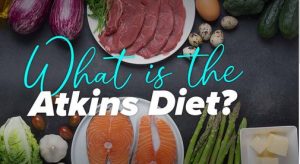
Consuming high-fiber vegetables in combination with protein and healthy fats ensures a well-rounded meal that sustains energy levels and minimizes hunger pangs.
Managing Blood Sugar for Craving Control
How Carbohydrates Influence Hunger
High-carbohydrate diets often lead to a cycle of energy spikes and crashes. When an individual consumes refined carbohydrates, such as white bread, pasta, and sugary snacks, their blood sugar rises rapidly. However, this is followed by a sharp decline, leading to increased hunger and cravings. This cycle encourages overeating and weight gain over time.
The Atkins diet, by contrast, focuses on stabilizing blood sugar levels through controlled carbohydrate intake. By prioritizing protein, fats, and fiber-rich vegetables, individuals experience fewer fluctuations in blood sugar, reducing the likelihood of sudden hunger urges.
Frequent Balanced Meals for Sustained Energy
One of the key principles of the Atkins diet is eating small, balanced meals throughout the day. This approach ensures steady blood sugar levels, preventing the drastic highs and lows that lead to excessive hunger. By consuming nutrient-dense meals every few hours, individuals on the Atkins diet find it easier to maintain energy levels and resist unhealthy snacking.
Long-Term Benefits of Appetite Suppression on Atkins
Breaking Free from Carb Cravings
Many individuals struggle with carbohydrate addiction, making it difficult to maintain a healthy diet. The Atkins diet helps break this cycle by training the body to rely on fat and protein for energy rather than quick-burning carbs. As a result, cravings for sugary and starchy foods diminish over time, making long-term adherence to the diet easier.
Supporting Overall Health
Beyond weight loss, the Atkins diet offers additional health benefits. The inclusion of high-quality proteins, healthy fats, and nutrient-dense vegetables supports brain function, cardiovascular health, and metabolic stability. Additionally, the reduction of processed carbohydrates can lower the risk of type 2 diabetes and other metabolic disorders.
Conclusion
The Atkins diet is not just a weight loss plan—it is a scientifically backed approach to appetite suppression and craving control. By prioritizing protein, incorporating healthy fats, and emphasizing fiber-rich vegetables, Atkins followers experience prolonged satiety and reduced hunger. This makes it easier to adhere to the diet and achieve sustainable weight loss. For those seeking a long-term solution to managing hunger and maintaining a healthy lifestyle, the Atkins diet presents a powerful and effective strategy.
Preventing Acid Reflux During Pregnancy