
 By admin
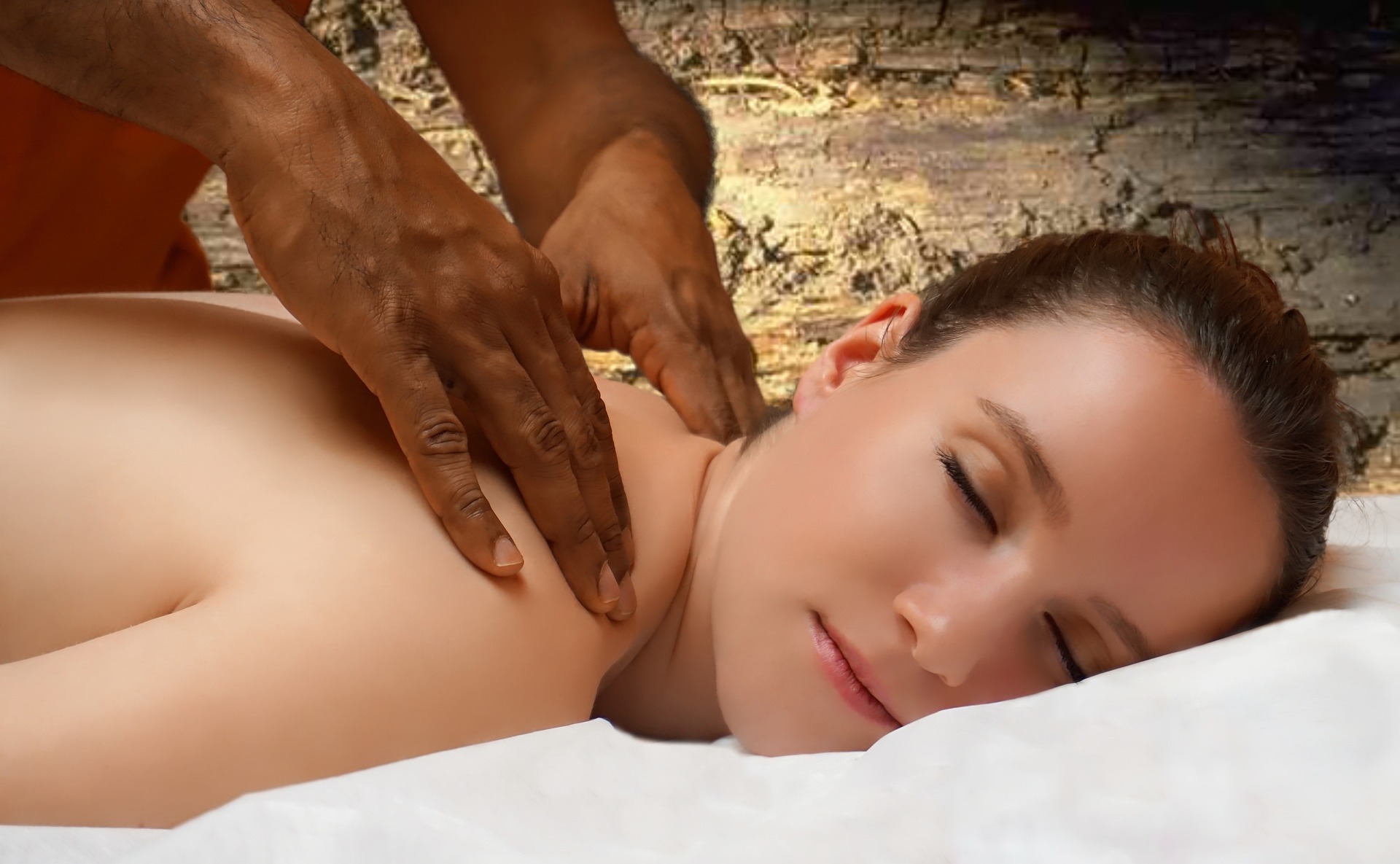
A Comprehensive Comparison Between Swedish and Ayurvedic Massage Techniques
Introduction
In today’s wellness-driven world, massage therapy has become a cornerstone of physical and mental health. With a multitude of massage techniques available, individuals are often confronted with the dilemma of choosing the most suitable method for their needs. Among the most popular options are Swedish and Ayurvedic massage therapies—each rooted in distinct cultural traditions yet delivering profound relaxation and therapeutic benefits.
This article delves into the origins, principles, techniques, and health advantages of Swedish and Ayurvedic massage. By the end, you’ll have a comprehensive understanding of both therapies and be better equipped to decide which method aligns best with your lifestyle and wellness goals.
Understanding Swedish Massage Therapy
Origins and Philosophy
Swedish massage, also known as “classic massage,” was developed in the early 19th century by Swedish physiologist Per Henrik Ling. It is designed to promote relaxation, improve circulation, and enhance physical function. The therapy focuses on soft tissue manipulation using systematic strokes directed toward the heart, aiming to restore balance and relieve muscular tension.
Key Techniques in Swedish Massage
1. Effleurage (Gliding Strokes)
Effleurage is the foundation of Swedish massage. These are long, sweeping strokes that help warm up the muscle tissues, promote lymphatic drainage, and prepare the body for deeper manipulation. Therapists use their palms, fingers, or forearms to perform these soothing motions.
2. Petrissage (Kneading and Squeezing)
This technique involves rhythmic kneading of the muscles to enhance circulation and facilitate the removal of metabolic waste. It’s particularly effective for muscle tension and knots and can improve skin elasticity.
3. Friction (Deep Circular Movements)
Friction uses the fingertips or thumbs to apply deep pressure in a circular motion around joints and bony areas. It breaks down adhesions and improves range of motion by loosening stiff muscles and fascia.
4. Tapotement (Rhythmic Tapping)
Tapotement includes brisk tapping, cupping, or chopping motions that stimulate the nervous system and improve muscle tone. This technique energizes the body and is often used toward the end of a session.
5. Vibration (Shaking Movements)
Vibration involves rapid shaking or trembling motions applied to specific muscle groups. It is known for relaxing tight muscles and enhancing circulation, making it ideal for patients with lower back pain or postural stress.
Health Benefits of Swedish Massage
-
Stress Reduction: Reduces cortisol levels and promotes relaxation.
-
Improved Circulation: Enhances oxygen flow in the blood.
-
Pain Relief: Alleviates chronic pain and muscle soreness.
-
Flexibility: Increases joint range of motion.
-
Sleep Enhancement: Promotes deeper, more restorative sleep.
Exploring Ayurvedic Massage Therapy
Historical Background and Principles
Ayurvedic massage is rooted in Ayurveda, a holistic healing system developed in India more than 3,000 years ago. Unlike Western techniques, Ayurvedic massage focuses on balancing the body’s energies, known as doshas—Vata, Pitta, and Kapha. It also incorporates marma therapy, which targets vital energy points across the body.
Dosha-Based Customization
The core of Ayurvedic massage lies in its personalization. Therapists determine your dosha type and tailor the massage techniques, oils, and even pressure levels accordingly. Common oils include sesame, coconut, and mustard, each selected based on its warming, cooling, or neutral properties.
Prominent Ayurvedic Massage Techniques
1. Abhyanga (Warm Oil Massage)
Abhyanga involves the application of warm, medicated oil in long, rhythmic strokes. The therapy is performed by one or two therapists working in synchronicity and is known to detoxify the body, nourish skin, and calm the nervous system.
2. Garshana (Dry Brushing)
This massage is done with raw silk gloves or dry brushes to stimulate the lymphatic system, exfoliate dead skin, and increase circulation before the oil massage begins.
3. Udwarthanam (Herbal Powder Massage)
A unique technique using herbal powders to exfoliate, reduce cellulite, and improve muscle tone. It’s often recommended for weight management and metabolic stimulation.
4. Padabhyanga (Ayurvedic Foot Massage)
This technique focuses on the feet using pressure with the hands or special tools. It enhances sleep quality, supports eye health, and reduces fatigue by stimulating reflex points.
5. Shirodhara (Oil Pouring on the Forehead)
Often included in Ayurvedic bodywork, Shirodhara involves a continuous stream of warm oil poured over the forehead to calm the mind, improve concentration, and treat insomnia or migraines.
Health Benefits of Ayurvedic Massage
-
Detoxification: Aids in the elimination of bodily toxins (Ama).
-
Improved Digestion: Stimulates internal organs via pressure points.
-
Emotional Balance: Calms mental stress and anxiety.
-
Enhanced Immunity: Strengthens bodily resistance to diseases.
-
Skin Health: Nourishes and rejuvenates the skin.
Comparing Swedish and Ayurvedic Massage
Technique and Intensity
-
Swedish Massage: Focuses on muscle relaxation and structural benefits using scientific methods and moderate pressure.
-
Ayurvedic Massage: Emphasizes energy flow and holistic balance using warm oils, marma points, and dosha alignment.
Personalization
-
Swedish: Generally follows a standard technique, with minor adjustments for pressure preference.
-
Ayurvedic: Fully customized based on body constitution and specific health needs.
Oils and Materials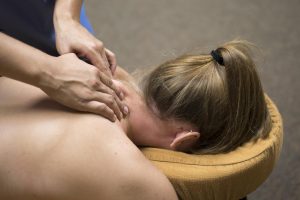
-
Swedish: Uses neutral oils or lotions for lubrication.
-
Ayurvedic: Employs therapeutic oils infused with herbs tailored to the individual.
Duration and Experience
-
Swedish: Typically 60–90 minutes.
-
Ayurvedic: Can range from 60 minutes to multiple hours in Panchakarma treatments.
Which Massage Should You Choose?
The decision between Swedish and Ayurvedic massage largely depends on your health goals, personal preferences, and wellness philosophy.
-
Choose Swedish Massage If:
-
You want relief from muscle pain and physical stress.
-
You prefer structured, scientific techniques.
-
You’re looking for a gentle, relaxing experience.
-
-
Choose Ayurvedic Massage If:
-
You seek holistic healing and internal balance.
-
You prefer a therapeutic experience tailored to your unique body type.
-
You’re interested in detoxification and mental clarity.
-
For optimal wellness, many individuals alternate between both types depending on their physical condition and emotional needs. Some spas even offer fusion treatments combining both modalities for enhanced results.
Conclusion
Both Swedish and Ayurvedic massage therapies offer remarkable benefits, though their approaches differ significantly. Swedish massage focuses on anatomy, muscles, and circulation through structured movements, making it ideal for stress relief and physical rejuvenation. In contrast, Ayurvedic massage emphasizes energy flow, dosha balance, and deep detoxification through ancient techniques and herbal oils.
Understanding the core principles, techniques, and expected outcomes of each type empowers individuals to make informed choices that support their holistic well-being. Whether your goal is physical relaxation or spiritual harmony, integrating massage therapy into your self-care routine can significantly elevate your quality of life.
The Science-Backed Power of Meditation