
 By admin

Introduction
Waking up drenched in sweat night after night can be both alarming and exhausting. Known as night sweats, this condition affects millions of people worldwide and can significantly disrupt sleep quality and overall health. Whether caused by hormonal changes, medications, stress, or underlying health issues, night sweats can lead to fatigue, anxiety, and decreased quality of life if not properly addressed.
In 2025, with growing awareness around sleep health and advances in understanding thermoregulation and circadian rhythms, it’s more important than ever to take proactive steps to manage this issue. This article offers 12 updated, expert-recommended tips to reduce or eliminate night sweats, helping you reclaim restful, uninterrupted sleep.
1. Understand the Root Cause of Your Night Sweats
Before treating night sweats, it’s essential to determine what’s causing them. Common triggers include:
-
Hormonal fluctuations, especially in women during menopause or perimenopause.
-
Medications, such as antidepressants or antipyretics.
-
Infections, like tuberculosis or HIV.
-
Medical conditions, including hyperthyroidism, cancer, or diabetes.
-
Stress and anxiety, which can spike cortisol and body temperature.
📌 Pro tip: Consult with your doctor to rule out underlying health conditions. Blood tests, sleep studies, and a thorough medical history can uncover hidden causes.
2. Optimize Your Bedroom Environment
Creating a cool and comfortable sleeping space is crucial. Your bedroom should encourage natural body temperature regulation.
✅ Recommendations:
-
Keep your bedroom temperature between 60-67°F (15-19°C).
-
Use a fan or air conditioner for better air circulation.
-
Invest in blackout curtains to prevent heat buildup from sunlight.
-
Remove electronics that emit heat, like TVs or computers.
3. Choose Breathable Bedding and Sleepwear
The materials you sleep on and in matter more than you think.
✔️ Bedding Tips: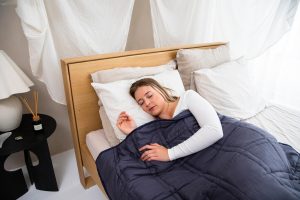
-
Switch to lightweight, moisture-wicking sheets (e.g., cotton, bamboo, or linen).
-
Avoid heavy duvets or synthetic fabrics that trap heat.
-
Try cooling pillows or a gel mattress topper.
✔️ Sleepwear Tips:
-
Wear loose-fitting, breathable pajamas made of natural fibers.
-
Avoid polyester or flannel, which can increase sweating.
4. Maintain a Consistent Sleep Schedule
A regular sleep routine supports healthy circadian rhythms and reduces night-time arousals.
🕒 Sleep Hygiene Tips:
-
Go to bed and wake up at the same time daily—even on weekends.
-
Avoid naps longer than 30 minutes.
-
Limit screen time at least one hour before bed to prevent blue light interference.
5. Stay Hydrated Throughout the Day
Dehydration can exacerbate sweating as your body struggles to regulate its temperature.
-
Drink 8–10 cups of water daily.
-
Avoid caffeinated or alcoholic drinks before bed as they are dehydrating and can raise body temperature.
6. Cut Back on Triggers in Your Diet
Certain foods and beverages can stimulate night sweats by increasing metabolism or disrupting hormones.
🚫 Foods to Avoid at Night:
-
Spicy foods
-
Caffeine (coffee, energy drinks)
-
Alcohol
-
High-sugar meals
✅ Foods That Help:
-
Magnesium-rich foods (like spinach, almonds, bananas)
-
Herbal teas (e.g., chamomile or peppermint)
-
Lean proteins with vegetables
7. Exercise Smartly—But Not Before Bed
Regular physical activity promotes overall wellness, reduces stress, and improves thermoregulation. However, timing is key.
🏃 Tips:
-
Exercise in the morning or early evening.
-
Avoid intense workouts within 3 hours of bedtime to prevent elevated core body temperature.
8. Manage Stress and Anxiety Levels
Emotional distress is a common contributor to nighttime sweating. Managing your mental health is just as vital as physical health.
🧘 Relaxation Strategies:
-
Mindfulness meditation
-
Deep breathing exercises
-
Journaling
-
Cognitive behavioral therapy (CBT) for chronic anxiety or insomnia
9. Explore Natural Supplements (With Doctor’s Approval)
Certain herbal supplements have been found effective for managing night sweats, especially those related to hormonal changes.
🌿 Natural Remedies:
-
Black cohosh – often used for menopausal symptoms
-
Valerian root – supports deeper sleep
-
Sage tea – known to reduce perspiration
-
Ashwagandha – reduces stress and cortisol levels
📌 Caution: Always consult a healthcare professional before starting supplements.
10. Limit Alcohol and Tobacco Use
Alcohol and nicotine both disrupt sleep cycles and can trigger temperature spikes and sweating.
-
Avoid alcohol 2–3 hours before bed.
-
Seek support if trying to quit smoking; nicotine withdrawal can also cause night sweats temporarily.
11. Consider Hormone Replacement Therapy (HRT)
For menopausal women, estrogen fluctuations are a common culprit of night sweats. Hormone therapy can be an effective solution under medical guidance.
-
HRT may reduce hot flashes and sleep disturbances.
-
Other non-hormonal medications like SSRIs or gabapentin can also help manage symptoms.
📌 Important: HRT has potential risks and should be evaluated based on personal health history.
12. Monitor Your Health with a Sleep or Wellness Tracker
Wearable technology can give insights into patterns in your body temperature, heart rate, and sleep stages.
📱 Tools:
-
Smartwatches (e.g., Fitbit, Oura Ring, Apple Watch)
-
Sleep tracking apps with environmental monitoring
-
Smart mattresses with cooling functions and data insights
This data can help identify specific triggers or patterns, guiding lifestyle changes and medical discussions.
Conclusion
Night sweats can disrupt your peace and rob you of restorative sleep—but they don’t have to control your nights. By making targeted lifestyle adjustments, managing environmental factors, and seeking professional guidance, you can regain restful, dry sleep.
While the causes of night sweats vary widely, the path to relief starts with awareness and small daily habits. Implementing even a few of the 12 strategies shared above can bring significant improvement. Remember, quality sleep is foundational to both physical and mental health—and you deserve it.
Sleep Quality vs. Sleep Quantity