
 By admin

Eat These 3 Foods for Faster and Healthier Hair Growth
Introduction
Healthy, strong, and beautiful hair has always been a symbol of vitality and confidence. While genetics, age, and lifestyle all play roles in hair growth and texture, nutrition is one of the most powerful factors we can control. What you eat directly influences the health of your hair, since hair follicles rely on a steady supply of vitamins, minerals, and proteins to grow effectively.
Many people turn to shampoos, oils, or hair treatments when they face issues like thinning hair, hair loss, or weak strands. However, these solutions only address external care. True hair health starts from within, and a balanced diet packed with essential nutrients is key to promoting growth, preventing breakage, and maintaining shine.
Among the wide variety of nutrient-dense foods available, some stand out for their proven benefits to hair health. In this article, we’ll explore three superfoods—eggs, berries, and spinach—that play a vital role in hair growth. Each is rich in nutrients that stimulate follicles, protect strands, and ensure your hair grows stronger and healthier. We’ll also discuss how to incorporate them into your diet, the science behind their benefits, and additional tips for achieving optimal hair wellness.
Why Nutrition Matters for Hair Growth
The Science of Hair Follicles
Hair grows from follicles located in the scalp. Each follicle goes through growth (anagen), rest (telogen), and shedding (catagen) phases. The anagen phase, which lasts between two to seven years, determines how long your hair can grow. For follicles to remain active and produce strong strands, they need a constant supply of nutrients carried through the bloodstream.
Key Nutrients for Hair Health
Some nutrients that are especially important for hair growth include:
- Protein: Hair is mostly made of keratin, a structural protein. Without sufficient protein, hair becomes weak and brittle.
- Biotin (Vitamin B7): Essential for keratin production and preventing hair thinning.
- Iron: Vital for oxygen transport; deficiency often leads to hair loss.
- Vitamin C: Strengthens follicles and boosts collagen production.
- Vitamin A: Supports sebum production, which keeps hair hydrated.
- Zinc & Selenium: Help repair hair tissue and maintain healthy follicles.
When your body lacks these nutrients, hair is often the first to suffer. This is why nutritional deficiencies are a leading cause of hair-related problems.
1. Eggs: The Protein and Biotin Powerhouse
Why Eggs Are Excellent for Hair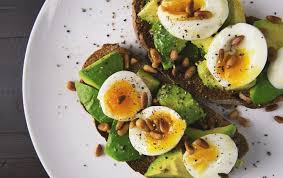
Eggs are one of the most nutrient-dense foods available. They are rich in high-quality protein, biotin, zinc, selenium, and several B vitamins—all of which directly contribute to stronger and healthier hair.
- Protein: Since hair follicles are primarily made of protein, eggs help supply the building blocks for keratin.
- Biotin: This B vitamin is critical for hair growth. A deficiency can lead to thinning and brittle hair.
- Zinc & Selenium: These minerals support follicle repair and protect against scalp conditions.
Scientific Backing
Studies have shown that diets lacking in protein and biotin are strongly linked to hair loss. Incorporating eggs can help reverse these effects. For example, a study published in the International Journal of Trichology highlighted biotin deficiency as one of the most common reasons for hair thinning, particularly among women.
How to Add Eggs to Your Diet
- Start your day with a boiled or scrambled egg breakfast.
- Add boiled eggs to salads for a protein boost.
- Use eggs in smoothies by adding pasteurized egg whites.
Tip: Eating the whole egg is important since the yolk contains most of the biotin and other essential nutrients.
2. Berries: Antioxidant-Rich Fruits for Follicle Protection
Why Berries Boost Hair Growth
Berries such as strawberries, blueberries, raspberries, and blackberries are packed with powerful antioxidants and vitamins, particularly vitamin C.
- Vitamin C: This vitamin helps the body produce collagen, which strengthens hair structure and prevents breakage. It also aids iron absorption, reducing hair loss caused by iron deficiency.
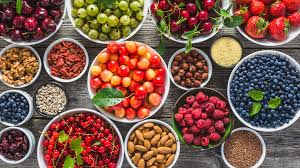
- Antioxidants: Berries protect follicles from oxidative stress—damage caused by free radicals that can weaken hair growth.
Scientific Backing
Research in the Journal of Cosmetic Dermatology emphasizes that oxidative stress plays a significant role in premature hair loss. Antioxidant-rich foods like berries help neutralize free radicals and protect follicle health.
How to Add Berries to Your Diet
- Blend them into smoothies with yogurt or almond milk.
- Use them as toppings for oatmeal or cereal.
- Eat them fresh as a snack instead of processed sugary foods.
Tip: Darker berries such as blueberries and blackberries contain the highest levels of antioxidants, making them especially effective for hair protection.
3. Spinach: The Green Superfood for Hair Vitality
Why Spinach Is Essential for Hair
Spinach is loaded with vitamins A, C, iron, and folate—all of which are crucial for hair growth.
- Iron: Spinach provides plant-based iron, essential for oxygen transport to hair follicles. Iron deficiency is a leading cause of hair loss, particularly in women.
- Vitamin A: Helps the scalp produce sebum, the natural oil that keeps hair hydrated and shiny.
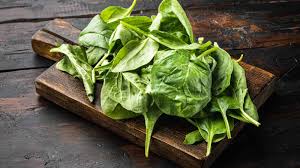
- Folate: Supports red blood cell production, ensuring that follicles receive adequate nutrients.
Scientific Backing
According to the Journal of the American Academy of Dermatology, women with hair loss often show low iron levels. Incorporating iron-rich foods like spinach can help reduce hair shedding and stimulate regrowth.
How to Add Spinach to Your Diet
- Use raw spinach in salads with nuts and seeds for extra nutrients.
- Blend spinach into green smoothies with banana and pineapple for a refreshing drink.
- Add it to soups, curries, or stir-fry dishes.
Tip: Pair spinach with vitamin C-rich foods (like berries or citrus fruits) to improve iron absorption.
Additional Lifestyle Tips for Hair Growth
Stay Hydrated
Water supports circulation and keeps the scalp hydrated. Dehydration can lead to a dry, flaky scalp and weaker strands.
Manage Stress
Chronic stress is linked to hair shedding (telogen effluvium). Practicing yoga, meditation, or breathing exercises can help manage stress levels.
Avoid Excessive Heat Styling
Flat irons, blow dryers, and curling irons damage hair structure. Use them sparingly and always apply heat protectants.
Get Enough Sleep
During sleep, the body repairs cells and boosts growth hormones that affect hair health. Aim for 7–9 hours of quality rest.
Conclusion
While topical treatments and hair care routines have their place, the foundation of healthy hair lies in nutrition. Eggs, berries, and spinach are three powerhouse foods that supply essential proteins, vitamins, antioxidants, and minerals required for hair strength and growth. By incorporating these foods into your daily diet, you can nourish your hair from the inside out, reduce breakage, and encourage thicker, shinier strands.
Remember, hair health is a reflection of overall well-being. A balanced diet, hydration, stress management, and good lifestyle habits all work together to promote luscious and healthy locks. Instead of relying solely on external treatments, start with what you put on your plate—and your hair will thank you.
PMDD and Mental Health: Breaking the Silence