
 By admin
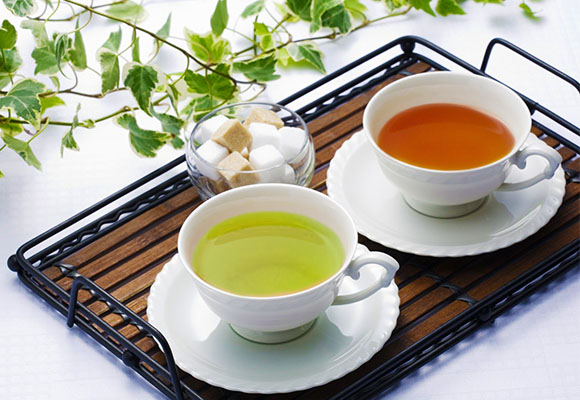
Green Tea vs. Black Tea: Which One Is Better for Your Health?
Introduction
For centuries, tea has been one of the world’s most consumed beverages, second only to water. From the serene tea ceremonies of Japan to the comforting British afternoon tea, this drink has become more than a cultural symbol—it has evolved into a health companion. Among the many varieties, green tea and black tea stand out as the most popular, sparking an ongoing debate: which one is better for your health?
Both green and black tea originate from the same plant, Camellia sinensis. However, the way they are processed after harvest determines their distinct colors, flavors, and health benefits. Green tea is minimally processed, preserving its delicate antioxidants and bioactive compounds, while black tea undergoes oxidation, giving it a richer taste and unique set of nutrients.
In recent years, scientific research has deepened our understanding of how these teas influence health—from supporting heart and brain function to boosting metabolism and strengthening immunity. This article explores the benefits, risks, and modern research surrounding green and black tea, helping you make an informed choice that suits your lifestyle and wellness goals.
The Origins and Processing of Green and Black Tea
Green Tea: Minimal Processing for Maximum Freshness
Green tea is made from freshly harvested tea leaves that are quickly steamed or pan-heated to prevent oxidation. This gentle process preserves high levels of catechins, particularly epigallocatechin gallate (EGCG), a powerful antioxidant linked to numerous health benefits.
Black Tea: Full Oxidation and Rich Flavor
In contrast, black tea leaves are fully oxidized, transforming catechins into theaflavins and thearubigins. These compounds give black tea its darker color and stronger flavor, while also providing unique antioxidant and anti-inflammatory effects.
Nutritional Profiles of Green and Black Tea
Caffeine Content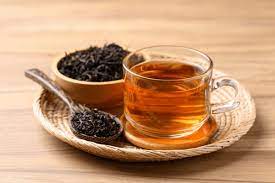
Both teas contain caffeine, though in varying amounts. Green tea generally provides 25–35 mg per cup, while black tea offers 40–70 mg. This makes black tea a stronger stimulant, though both can enhance alertness, concentration, and mood.
Amino Acids and Relaxation
Black tea contains L-theanine, an amino acid known for promoting relaxation without drowsiness. Paired with caffeine, it can enhance focus and improve blood flow to the brain.
Antioxidant Powerhouses
- Green tea: rich in EGCG, associated with anti-cancer, anti-inflammatory, and immune-boosting properties.
- Black tea: contains theaflavins and thearubigins, which improve bone health, reduce oxidative stress, and aid fat metabolism.
Health Benefits of Green Tea
1. Boosting the Immune System
EGCG in green tea enhances immune defense by reducing the impact of harmful bacteria and viruses. Matcha, a powdered form of green tea, contains even higher levels of EGCG, making it a favorite among wellness enthusiasts.
2. Supporting Weight Management
Green tea has been shown to increase metabolism and fat oxidation, especially when combined with regular exercise. Studies in 2024 confirmed that green tea extract supplements contribute to modest weight loss in overweight individuals.
3. Improving Cardiovascular Health
By lowering blood pressure, reducing LDL cholesterol, and improving circulation, green tea significantly reduces the risk of heart disease. Regular consumption is associated with improved vascular function.
4. Protecting Against Neurodegenerative Diseases
Research in 2025 highlighted that EGCG can cross the blood-brain barrier, reducing inflammation and protecting neurons. This may lower the risk of Alzheimer’s and Parkinson’s disease.
Health Benefits of Black Tea
1. Enhancing Brain Function

Thanks to caffeine and L-theanine, black tea provides a sustained boost in alertness and concentration. Recent clinical trials showed that black tea drinkers performed better in cognitive tests than non-tea drinkers.
2. Supporting Bone and Joint Health
Theaflavins in black tea improve bone density and reduce inflammation in joints, making it particularly beneficial for aging populations.
3. Heart Health and Blood Sugar Regulation
Black tea helps reduce oxidative stress, lowers triglycerides, and may improve insulin sensitivity. This makes it a valuable beverage for individuals managing type 2 diabetes.
4. Stress Reduction and Mental Well-being
Beyond its physiological effects, black tea consumption is associated with lower cortisol levels—the body’s stress hormone. Drinking a warm cup after a long day can promote relaxation and emotional balance.
Potential Risks and Considerations
Caffeine Sensitivity
Individuals sensitive to caffeine may experience insomnia, anxiety, or heart palpitations, especially with high consumption of black tea.
Iron Absorption
Both green and black teas contain tannins, which can reduce iron absorption from plant-based foods. Consuming tea between meals rather than during meals helps minimize this effect.
Interactions with Medications
Green tea extracts may interact with certain medications, including blood thinners, while black tea in large amounts can contribute to dehydration if it replaces water intake. Always consult a healthcare professional if you have medical conditions.
Green Tea vs. Black Tea: Which One Should You Choose?
The choice between green tea and black tea ultimately depends on your personal health goals:
- For metabolism and immune support: Green tea is the better choice, especially varieties like matcha.
- For focus and heart health: Black tea offers stronger stimulation and cardiovascular benefits.
- For stress relief: Both teas help, but black tea’s L-theanine makes it especially effective.
A balanced approach may be ideal—incorporating both teas into your daily routine allows you to enjoy the full spectrum of health benefits.
Latest Trends in Tea Consumption (2024–2025)
- Functional Teas: Companies are now blending green or black tea with herbs like turmeric, ginger, or ashwagandha to create targeted health beverages.
- Ready-to-Drink Teas: Bottled unsweetened green and black teas are gaining popularity among health-conscious consumers.
- Tea in Sports Nutrition: Athletes are increasingly turning to green tea extract for endurance and recovery.
- Sustainable Sourcing: Growing demand for fair-trade, organic, and environmentally sustainable tea production is shaping the global market.
Conclusion
Green tea and black tea are more than just comforting beverages—they are functional drinks packed with bioactive compounds that support health and wellness. While green tea shines in immune support, fat metabolism, and brain protection, black tea excels in cardiovascular health, stress management, and focus enhancement.
Instead of choosing one over the other, embracing both in moderation may offer the most comprehensive benefits. Combined with a balanced diet, regular physical activity, and proper hydration, tea can play a vital role in maintaining long-term health.
So next time you prepare your favorite cup, remember—you are not only enjoying a soothing ritual but also nurturing your body and mind with centuries of wisdom and science-backed health benefits.
Discovering the Magic of Loukoum Turkish