
 By admin
A Comprehensive Exploration of Chinese Recipes: Regional Traditions, Culinary Philosophy, and Modern Global Evolution
Introduction
Chinese cuisine is widely regarded as one of the most sophisticated, ancient, and diverse culinary systems in human history. With roots extending back more than five millennia, it represents far more than a collection of recipes—it is a living cultural heritage shaped by geography, philosophy, climate, agriculture, and centuries of social transformation. What many people outside China casually label as “Chinese food” is, in reality, a vast constellation of regional cooking traditions, each with its own identity, flavor logic, and technical mastery.
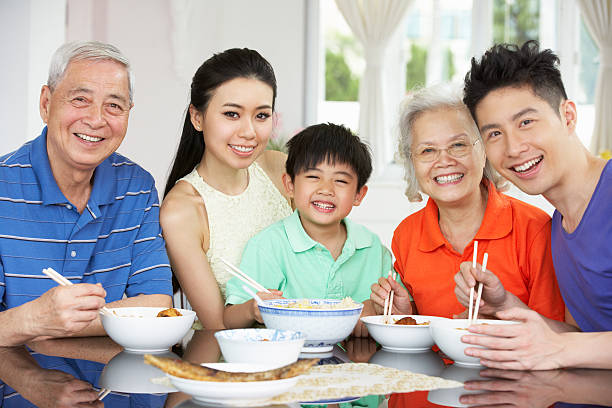
For families and home cooks around the world, Chinese recipes offer both comfort and adventure. A single household may contain individuals who love bold chili heat, others who prefer subtle, clean flavors, and still others who enjoy hearty, wheat-based dishes. Chinese cuisine uniquely accommodates this diversity. Its genius lies in flexibility: shared ingredients can be transformed through different techniques, seasonings, and philosophies to produce radically different outcomes.
This article presents a modern, professional, and in-depth guide to the varieties of Chinese recipes. It explores the foundational philosophy of Chinese cooking, the essential pantry ingredients, the defining cooking techniques, and the famous regional culinary systems often referred to as the “Eight Great Cuisines.” It also examines how Chinese food has evolved globally through migration, fusion, and contemporary culinary innovation. Whether you are a culinary enthusiast, a food writer, or a home cook seeking mastery, this guide offers a structured and authoritative roadmap into the heart of Chinese gastronomy.
The Philosophical Foundations of Chinese Cooking
At its core, Chinese cuisine is governed by balance. This balance is not merely about taste, but about harmony between nature, the human body, and food. Traditional Chinese food philosophy is deeply influenced by concepts such as Yin and Yang and the Five Elements, which emphasize equilibrium in temperature, texture, color, and nutrition.
Food is not judged solely on indulgence but also on its effect on well-being. A properly prepared meal should nourish the body, stimulate digestion, and align with seasonal needs. This holistic perspective explains why Chinese recipes often appear simple in structure but complex in flavor layering.
The Balance of Five Flavors
Chinese cooking traditionally seeks to harmonize five primary tastes:
- Sweet
- Sour
- Salty
- Bitter
- Umami (savory)
A well-composed dish may emphasize one dominant flavor while subtly supporting it with ot
hers. This balance creates depth without overwhelming the palate, a principle that defines everything from street food to imperial banquets.
Essential Ingredients in the Chinese Kitchen
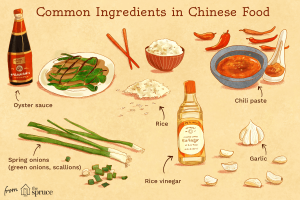
While regional diversity is immense, Chinese cuisine is unified by a shared pantry of essential ingredients. These staples act as a culinary language understood across provinces and generations.
Rice and Noodles: The Structural Base
Rice dominates southern regions, while wheat-based noodles and dumplings prevail in the north. Rice is not simply a side dish; it is the anchor of the meal. Properly cooked rice should be aromatic, fluffy, and neutral, allowing other dishes to shine.
Noodles vary in thickness, texture, and preparation, from hand-pulled varieties to delicate wheat strands, each designed for specific cooking methods.
Soy Sauce and Fermented Condiments
Soy sauce is the backbone of Chinese seasoning. Light soy sauce provides saltiness and aroma, while dark soy sauce contributes color and depth. Fermented bean pastes, oyster sauce, and black vinegar add complexity and umami richness.
Cooking Oils and Aromatics
High-heat cooking requires oils with high smoke points, such as peanut or vegetable oil. Aromatics like garlic, ginger, scallions, and dried chilies form the aromatic base of countless recipes, released through oil infusion rather than prolonged cooking.
Core Chinese Cooking Techniques
Chinese recipes rely on technique as much as ingredients. Mastery of heat control and timing is essential.
Stir-Frying (Chao)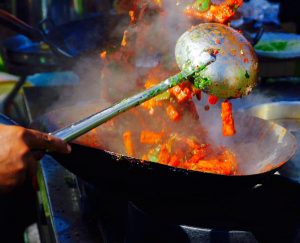
Perhaps the most iconic method, stir-frying uses intense heat and rapid movement to seal flavors while preserving texture. Proper stir-frying produces food that is fragrant, tender, and never greasy.
Steaming (Zheng)
Steaming reflects the Chinese appreciation for purity. It preserves the natural taste and nutritional integrity of ingredients, especially fish, vegetables, and dumplings.
Braising and Red-Cooking (Hong Shao)
This slow-cooking technique combines soy sauce, sugar, spices, and time. The result is tender meat coated in a glossy, deeply flavored sauce.
Knife Skills as a Culinary Art
In Chinese cooking, how an ingredient is cut directly affects cooking time, texture, and flavor absorption. Uniform slicing ensures harmony within the dish.
Understanding the Regional Diversity of Chinese Cuisine
The immense size of China has given rise to distinct regional food cultures. These are traditionally grouped into the Eight Great Cuisines, each shaped by geography, climate, and history.
Cantonese Cuisine (Yue Cuisine)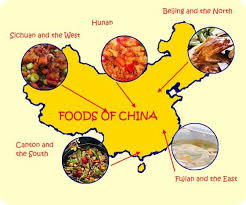
Originating in Guangdong Province, Cantonese cuisine emphasizes freshness, light seasoning, and ingredient quality. Steaming and quick stir-frying dominate, allowing natural flavors to shine.
Dim sum culture exemplifies Cantonese culinary artistry, offering small, refined portions designed for sharing. The mild, balanced profile makes this cuisine particularly family-friendly and globally popular.
Sichuan Cuisine (Chuan Cuisine)
From Sichuan Province comes one of the world’s boldest flavor systems. Famous for its “málà” sensation, Sichuan food combines chili heat with the numbing effect of Sichuan peppercorns.
Contrary to popular belief, Sichuan cuisine is not just spicy—it is complex, featuring dozens of recognized flavor profiles such as fish-fragrant and strange-flavor. Iconic dishes like Mapo Tofu demonstrate this layered intensity.
Shandong Cuisine (Lu Cuisine)
One of the oldest culinary traditions, Shandong cuisine originates in Shandong Province. It focuses on saltiness, crisp textures, and robust soups.
This cuisine heavily influenced imperial cooking in Beijing and remains a cornerstone of northern Chinese food culture, especially in its mastery of seafood and broths.
Jiangsu Cuisine (Su Cuisine)
Developed around the fertile waterways of the Yangtze River basin, Jiangsu cuisine values elegance, precision, and subtle sweetness. Dishes are visually refined and texturally soft.
Yangzhou fried rice stands as a global ambassador of this cuisine, demonstrating balance and restraint.
Other Influential Regional Styles
- Hunan Cuisine: Known for pure, direct spiciness and smoky flavors
- Fujian Cuisine: Celebrated for complex soups and seafood techniques
- Zhejiang Cuisine: Focused on freshness, seasonal ingredients, and gentle flavors
Each contributes uniquely to China’s culinary mosaic.
Chinese Cuisine Beyond China: Global Adaptation and Fusion
As Chinese communities migrated worldwide, their cooking adapted to new environments, ingredients, and tastes. This gave rise to localized Chinese cuisines that are authentic in their own context.
Overseas Chinese Culinary Traditions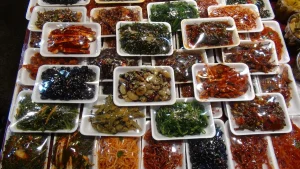
American Chinese cuisine introduced sweet-savory combinations designed for Western palates. Indian-Chinese food merged wok techniques with South Asian spices, while Latin American adaptations blended soy sauce with local chilies and grains.
These cuisines reflect survival, creativity, and cultural dialogue rather than dilution.
Modern Culinary Innovation
Today’s chefs are re-engaging with regional authenticity while embracing global techniques. Chinese ingredients appear in fine dining kitchens worldwide, reinterpreted through modern plating and cross-cultural creativity.
Cooking Chinese Food at Home: A Practical Family Approach
Chinese meals are traditionally served family-style, encouraging variety and shared enjoyment. This structure makes it ideal for households with diverse preferences.
Building a Balanced Chinese Meal
A well-rounded home meal may include: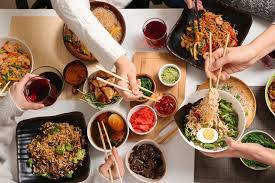
- A neutral starch (rice or noodles)
- Multiple protein dishes with varying flavors
- At least one vegetable preparation
- A light soup for balance
This approach ensures satisfaction without excess.
Customization and Flexibility
Chinese recipes are guides, not rigid rules. Spice levels, ingredients, and cooking methods can be adjusted without losing authenticity. This adaptability is a defining strength of Chinese cuisine.
Conclusion
Chinese cuisine is not a single tradition but a vast, interconnected culinary universe shaped by philosophy, geography, and history. Its enduring appeal lies in balance—between flavors, techniques, nutrition, and social connection.
From the refined delicacy of Cantonese dishes to the fiery complexity of Sichuan cooking and the hearty traditions of northern provinces, Chinese recipes offer endless possibilities. For modern families and home cooks, understanding these principles unlocks creativity and confidence.
Ultimately, Chinese cooking is about more than food. It is about harmony, adaptability, and the shared joy of eating together. By embracing its diversity and philosophy, anyone can bring the richness of Chinese culinary culture to their own table.
The Ultimate Salmon Recipe Collection