
 By admin

Nine Salmon Recipes: A Professional Guide to Preparing Salmon with Classic and Modern Techniques
Introduction
Salmon has long been celebrated as one of the most versatile, nutritious, and elegant fish in global cuisine. From traditional European kitchens to contemporary fine-dining restaurants, salmon continues to hold a prestigious position on menus worldwide. Rich in omega-3 fatty acids, high-quality protein, essential vitamins, and minerals, salmon is not only prized for its delicate flavor and tender texture but also for its exceptional health benefits.
In recent years, culinary trends have shifted toward balanced, nutrient-dense meals that combine tradition with innovation. Salmon fits perfectly into this modern philosophy. Whether gently boiled, richly sauced, delicately spiced, or boldly seasoned, salmon adapts beautifully to a wide range of cooking methods and flavor profiles. Mastering salmon preparation requires an understanding of timing, seasoning, temperature control, and complementary sauces—skills that elevate this fish from ordinary to extraordinary.
This comprehensive guide revisits nine classic salmon recipes, professionally reimagined with modern culinary knowledge while respecting their traditional foundations. Each recipe highlights a distinct cooking technique, offering cooks a practical and refined approach to preparing salmon at home or in professional kitchens. From simple boiled salmon to richly flavored curried and Genevese-style preparations, this article serves as a timeless yet contemporary reference for salmon enthusiasts.
1. Boiled Salmon: The Foundation of Classic Fish Cookery
Understanding the Technique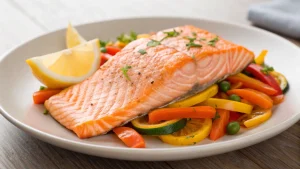
Boiling salmon is one of the oldest and most fundamental methods of fish preparation. When done correctly, it preserves the natural flavor, moisture, and delicate texture of the fish. However, boiling salmon requires precision; overcooking leads to dryness and blandness, while undercooking compromises both safety and taste.
Ingredients and Preparation
The key to successful boiled salmon lies in properly seasoned water. A well-balanced salt-to-water ratio enhances the fish’s natural taste without overpowering it. Cold water should always be used initially to allow even cooking as the temperature rises.
Before cooking, the salmon must be thoroughly cleaned, scaled, and rinsed. Removing all traces of blood from the cavity is essential, as residual blood can affect flavor and appearance.
Cooking Method and Timing
The salmon should be brought quickly to a boil, after which surface impurities are skimmed off. Once boiling begins, the heat is reduced to a gentle simmer. This controlled cooking ensures that the flesh cooks evenly and remains tender.
As a general rule:
- Thick salmon requires approximately 8 minutes per pound
- Thinner cuts require 6 minutes per pound
The fish is done when the flesh separates easily from the bone but still retains a moist sheen.
Serving Suggestions
Boiled salmon is traditionally served on a hot napkin and garnished with fresh lemon slices and parsley. Classic accompaniments include melted butter, lobster sauce, shrimp sauce, and dressed cucumber. Modern interpretations often add steamed peas or lightly blanched seasonal vegetables for balance.
2. Salmon with Caper Sauce: A Refined and Flavorful Classic
Flavor Profile and Appeal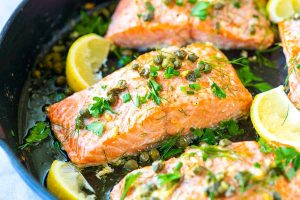
Salmon paired with caper sauce creates a sophisticated balance between richness and acidity. The buttery base enhances the fish, while capers introduce a bright, briny contrast that awakens the palate.
Preparation and Cooking Method
Salmon slices are gently baked with butter, finely chopped shallots, parsley, and mild seasoning. Frequent basting ensures even cooking and prevents dryness. Once cooked, the fish is briefly drained before being plated and generously coated with warm caper sauce.
Modern Variations
For a contemporary twist, chefs often substitute traditional butter with clarified butter or olive oil and pair the dish with tomato-based sauces or roasted vegetables.
3. Collared Salmon: A Traditional Preservation Technique
What Is Collared Salmon?
Collared salmon is a historical preparation method designed to preserve fish while intensifying flavor. It involves seasoning, rolling, and gently simmering the fish in a vinegar-based liquid infused with spices and aromatics.
Preparation Process
The salmon is split, deboned, thoroughly cleaned, and seasoned inside and out with salt, pepper, and pounded mace. It is then tightly rolled, bound securely, and simmered slowly in a mixture of vinegar and water along with bay leaves and whole peppercorns.
Serving and Storage
Once cooked, collared salmon can be served warm with melted butter or anchovy sauce. When preserved in its cooking liquid with additional vinegar, it can be stored and served cold as part of a buffet or luncheon spread.
4. Curried Salmon: A Creative Use of Leftovers
Culinary Inspiration
Curried salmon exemplifies resourceful cooking, transforming leftover boiled salmon into a richly flavored dish inspired by South Asian cuisine. This preparation highlights how spices can reinvent simple ingredients.
Cooking Method
Finely chopped onions are gently sautéed in butter until golden. Curry powder, stock, anchovy sauce, and lemon juice are added to create a fragrant base. The salmon is introduced at the final stage and warmed gently to prevent overcooking.
Serving Recommendations
Curried salmon pairs beautifully with steamed rice, flatbreads, or lightly sautéed vegetables, making it both comforting and refined.
5. Salmon Cutlets: Simplicity Meets Precision
Technique Overview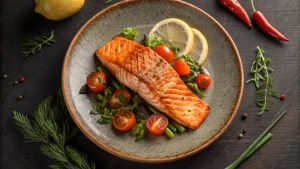
Salmon cutlets are thick slices of fish cooked quickly under high heat. This method emphasizes the fish’s natural oils and texture while maintaining a crisp exterior.
Preparation and Cooking
Each slice is seasoned lightly with salt and pepper, wrapped in buttered paper, and broiled over a clear flame. The paper protects the fish from direct heat, ensuring gentle cooking and moisture retention.
Enhancements and Sauces
Anchovy or caper sauce complements the richness of the cutlets. For a more modern approach, chopped herbs and mild spices may be added for extra depth.
6. Salmon à la Genevese: A Sophisticated European Preparation
Origins and Character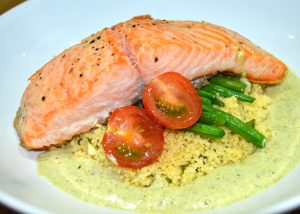
Salmon à la Genevese is a classic dish rooted in French culinary tradition. It features slow cooking in a richly aromatic sauce enhanced with wine, herbs, and anchovies.
Cooking Process
The stewpan is layered with shallots, herbs, bay leaves, carrots, and spices, which are gently sautéed before wine is added. The salmon stews slowly in this flavorful base, absorbing complex aromas.
Once cooked, the sauce is enriched with stock, butter, flour, lemon juice, and anchovy essence, creating a velvety finish.
Presentation
The salmon is served on a hot platter with sauce partially poured over it, while the remaining sauce is served separately, allowing diners to customize their experience.
7. Nutritional Benefits of Salmon
Salmon is widely recognized as a nutritional powerhouse. It is rich in:
- Omega-3 fatty acids for heart and brain health

- High-quality protein for muscle maintenance
- Vitamin D for bone health
- B vitamins for energy metabolism
Modern dietary guidelines consistently recommend salmon as part of a balanced and health-conscious diet.
8. Modern Tips for Cooking Salmon Perfectly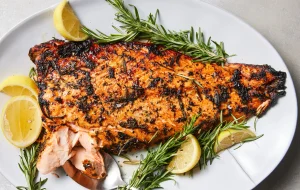
- Avoid overcooking; salmon continues to cook slightly after removal from heat
- Use thermometers when possible; ideal internal temperature is around 52–55°C (125–130°F)
- Balance rich sauces with acidic or fresh elements
- Choose sustainably sourced salmon for ethical and environmental reasons
Conclusion
Salmon remains one of the most celebrated ingredients in global cuisine, offering endless possibilities for creativity, nutrition, and refinement. The nine recipes explored in this guide demonstrate how both traditional and modern techniques can be applied to achieve exceptional results. From the purity of boiled salmon to the complexity of Genevese-style preparations, each method highlights the fish’s versatility and enduring appeal.
By understanding proper techniques, seasoning principles, and complementary flavors, cooks at all levels can elevate salmon dishes from simple meals to memorable culinary experiences. Whether prepared for a formal dinner or a wholesome family meal, salmon continues to embody the perfect balance between elegance, nourishment, and timeless flavor.
Choosing the Perfect Coffee Maker