
 By admin
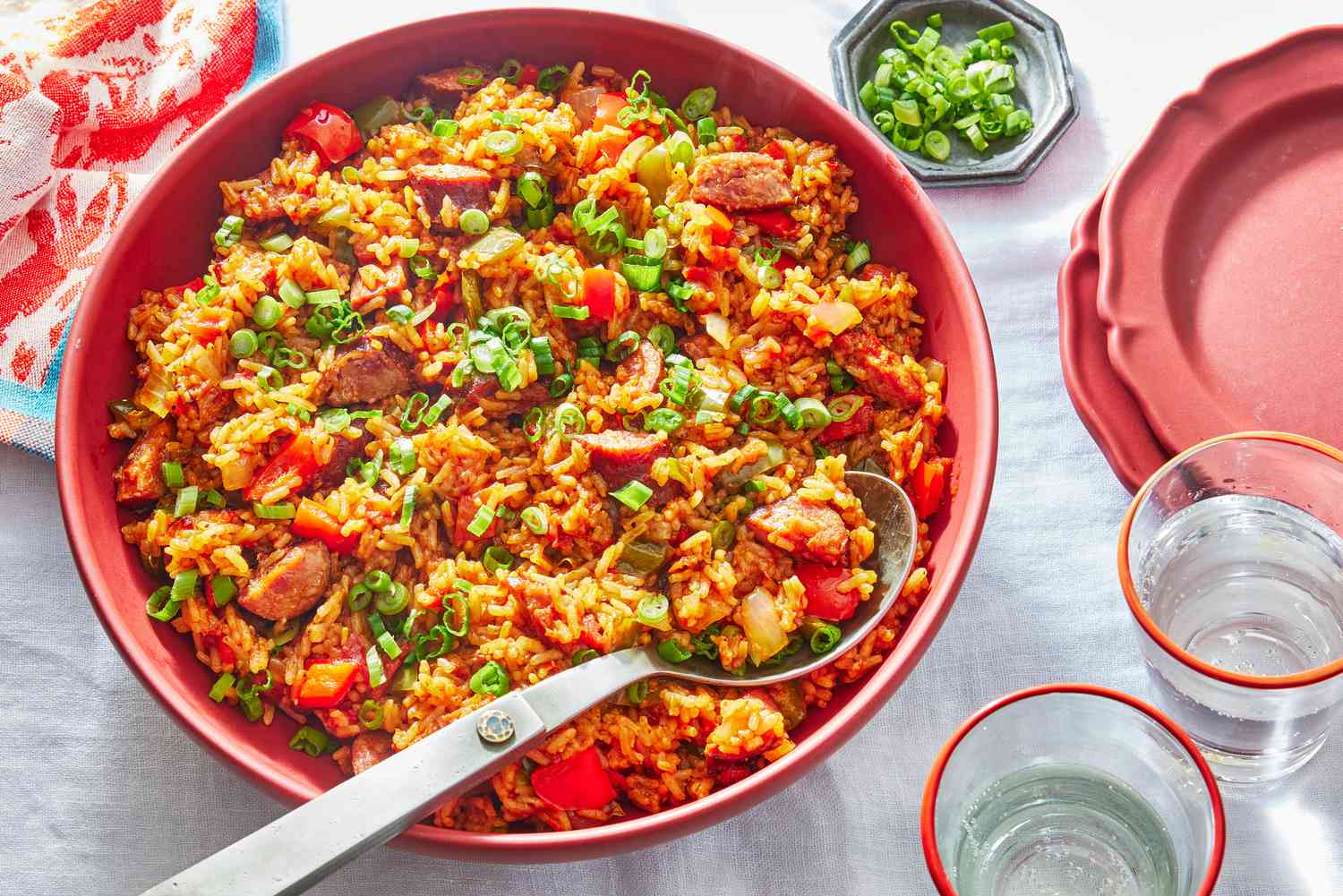
The Art and Soul of Cooking Authentic Cajun Food
Introduction
Cajun cooking is more than just a regional cuisine—it is a living expression of history, culture, resilience, and community. Rooted in the traditions of French-speaking Acadians who settled in Louisiana during the 18th century, Cajun food blends French, West African, Native American, and Spanish influences into a distinctive culinary identity. Unlike highly structured or meticulously measured cuisines, Cajun cooking relies on intuition, creativity, and an intimate relationship with ingredients. It is a cuisine where flavor is built layer by layer, where spices are handled with respect, and where emotion plays as much a role as technique.
Whether it is a simmering pot of gumbo, smoky jambalaya, or perfectly blackened fish, Cajun dishes are known for their bold flavors, rustic heartiness, and unmistakable depth. This style of cooking cannot be rushed; it requires patience, skill, and a deep understanding of how flavors develop over time. In this article, we explore the roots of Cajun cuisine, the importance of ingredients, core cooking techniques, and the cultural spirit that makes Cajun food one of the most treasured culinary traditions in the world.
Understanding the Spirit of Cajun Cooking
A Cultural Legacy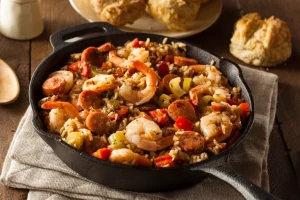
Cajun cuisine did not emerge overnight. It is the result of cultural adaption and survival. When Acadians were expelled from Canada in the mid-1700s, they settled in the bayous and swamps of southern Louisiana. With limited resources, they learned to cook with what the land and waters provided—game, fish, rice, wild herbs, and locally available vegetables. Over time, these ingredients merged with techniques and spices brought by African slaves, Spanish settlers, and Native American tribes.
The result became a cuisine with:
- Bold flavors
- Slow-cooked depth
- Heavy use of spices
- Deep cultural storytelling in every dish
Today, Cajun cooking remains deeply connected to family gatherings, music, and celebration. Food is not just nourishment—it is memory, identity, and a way of bringing people together.
Cooking by Feel, Not Formula
One of the most distinctive elements of Cajun cooking is the absence of strict measurements. Traditional recipes are often passed down orally or learned in the kitchen through practice. A Cajun cook rarely uses measuring spoons—they use taste, smell, texture, and instinct.
As a result:
- The same dish may taste slightly different each time it is prepared.
- Two cooks can follow the same method but produce unique flavors.
- Mood and atmosphere influence the cooking process.
Cooking is intuitive, expressive, and personal—more art than science.
Essential Ingredients in Cajun Cuisine
The Holy Trinity
Cajun cooking frequently begins with a foundational blend known as the Holy Trinity:
- Onions
- Bell peppers
- Celery
These vegetables are sautéed in oil or butter as the base of many dishes, such as gumbo, jambalaya, and étouffée. This mixture is similar to the French mirepoix, but with bell peppers replacing carrots, creating a flavor profile that is earthier and slightly sweeter.
Spices and Seasonings
Cajun food is flavorful—not necessarily always spicy. The heat level varies by cook, but seasoning is essential. Common spices include:
- Paprika
- Black pepper
- Cayenne pepper
- Garlic powder
- Thyme
- Oregano
- Bay leaves
Many Cajun cooks also rely on pre-made Cajun seasoning blends, but the most authentic flavors come from mixing your own spices according to taste.
Proteins and Seafood
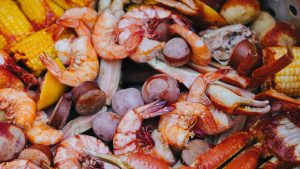
Because Cajun people historically lived near rivers and marshes, seafood plays a crucial role in the cuisine. Common proteins include:
- Crawfish (crayfish)
- Shrimp
- Catfish
- Crab
- Redfish
Meats such as andouille sausage, tasso ham, and game meats (like rabbit and venison) are also typical. Each adds smoky, salty, or rich undertones to the dish.
Staple Ingredients
Other common ingredients include rice, flour, okra, and roux (a thickening mixture of fat and flour). These staples help create hearty, comforting meals.
Core Cajun Cooking Techniques
The Roux: The Flavor Foundation
A proper Cajun roux is critical. Unlike French roux, which is often light, Cajun roux is cooked slowly until it turns a deep chocolate-brown color. This process can take 20 to 45 minutes and must be stirred constantly to prevent burning.
A good roux adds:
- Color
- Depth
- Toasted, nutty flavor
Mastering roux is often considered the first true test of a Cajun cook.
Slow Simmering and Layering Flavor
Cajun dishes frequently require long cooking times. Simmering allows flavors to merge naturally, creating the warm, rich complexity that defines Cajun cuisine. This slow-cooking approach applies to stews, soups, sauces, and rice dishes alike.
Blackening Technique
Popularized worldwide by chef Emeril Lagasse and chef Paul Prudhomme, blackening involves coating fish or meat in butter and spice, then searing it in a very hot cast-iron skillet. The result is a smoky, crispy surface with intense flavor.
Challenges of Cooking Cajun Food Outside Louisiana
Ingredient Availability
Fresh crawfish, tasso, and authentic andouille sausage are not widely available outside the Gulf Coast. Many spices and herbs used in Louisiana are also regional. While international groceries may carry Cajun seasoning blends, they often lack the freshness and balance of traditional Cajun spices.
Climate and Atmosphere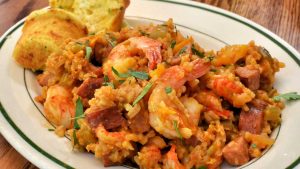
Cajun cooking is emotional and environmental. It is influenced by southern culture, warm weather, shared meals, and the presence of music—especially jazz and zydeco.
Cooking Cajun food while listening to Cajun or New Orleans jazz helps evoke the spirit of the cuisine. It creates an atmosphere where creativity thrives and cooking becomes an experience, not a task.
The Emotional Experience of Cooking Cajun Food
Cajun cooking can be deeply personal. Many cooks describe it as therapeutic, while others see it as an act of love. Preparing these dishes requires patience and intuition, and the result is food that nourishes the stomach and the spirit.
When you learn to cook Cajun food authentically:
- You create meals that tell stories.
- You learn to feel flavor, not just follow directions.
- You connect to a culture of resilience, celebration, and hospitality.
Once you master Cajun cooking, you may find yourself returning to it again and again—not just for the taste, but for the experience.
Conclusion
Cajun cooking is far more than a set of recipes—it is a cultural treasure shaped by history, spirit, creativity, and community. With its bold flavors, intuitive techniques, and emotional depth, it stands as one of the world’s most expressive culinary traditions. Whether preparing a simple pot of gumbo or a lavish crawfish boil, Cajun food invites you to engage all your senses, trust your instincts, and enjoy the process. When you cook Cajun food, you are not simply making a meal—you are participating in a living legacy.
Parmigiano Reggiano: A Culinary Icon of Italy