
 By admin

Symptoms of Having Allergies: A Comprehensive and Modern Medical Overview
Introduction
Allergies are among the most widespread chronic health conditions worldwide, affecting hundreds of millions of people across all age groups. Despite being extremely common, allergies are often misunderstood, underestimated, or dismissed as minor inconveniences. For some individuals, allergic reactions may only cause mild discomfort, such as sneezing or itchy eyes. For others, however, allergies can become severe, life-altering, and even life-threatening if not properly identified and managed.
An allergy occurs when the immune system mistakenly identifies a normally harmless substance—such as pollen, food proteins, animal dander, or dust mites—as a threat. In response, the body releases chemicals like histamine, which trigger a wide range of symptoms. These symptoms can affect the respiratory system, digestive tract, skin, eyes, and even the cardiovascular system.
Understanding the symptoms of allergies is essential for early detection, effective treatment, and prevention of serious complications. This article provides a detailed, modern, and professional overview of allergy symptoms, categorized by body systems, with insights into severity levels, warning signs, and when medical intervention becomes necessary.
Understanding Allergies and the Immune Response
What Happens During an Allergic Reaction?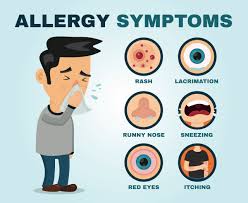
When a person with allergies is exposed to an allergen, their immune system overreacts. Instead of tolerating the substance, the body produces immunoglobulin E (IgE) antibodies. These antibodies trigger immune cells to release inflammatory chemicals, leading to the characteristic symptoms of allergies.
This immune overreaction can occur immediately after exposure or develop gradually over time. Some allergic reactions are localized, while others affect multiple systems simultaneously.
Why Allergy Symptoms Vary Between Individuals
Not all allergy sufferers experience the same symptoms. Factors influencing symptom severity include:
- Genetic predisposition
- Frequency and duration of allergen exposure
- Overall immune system health
- Age and existing medical conditions
- Type of allergen involved
Understanding these differences helps explain why one person may only sneeze occasionally while another experiences severe breathing difficulties.
Respiratory Symptoms of Allergies
Breathing Difficulties and Shortness of Breath
One of the most serious allergy symptoms involves difficulty breathing. Allergens can cause inflammation and narrowing of the airways, making it harder for air to flow freely in and out of the lungs. This symptom is particularly dangerous and requires immediate attention if severe.
Common respiratory warning signs include:
- Wheezing or whistling sounds when breathing
- Chest tightness
- Rapid or shallow breathing
- Feeling of suffocation or air hunger
In severe cases, lack of oxygen can become life-threatening if not treated promptly.
Chronic Coughing
A persistent cough is another frequent symptom of allergies. Unlike coughs caused by infections, allergic coughing is often dry and non-productive. It may worsen at night or after exposure to allergens such as dust, pollen, or pet hair.
Over time, constant coughing can lead to: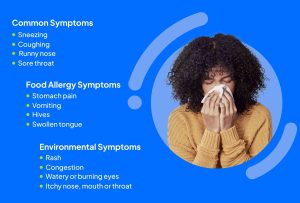
- Throat irritation
- Chest pain
- Sleep disturbances
- Fatigue and reduced quality of life
Eye-Related Allergy Symptoms
Allergic Conjunctivitis: Burning and Itchy Eyes
One of the most recognizable allergy symptoms is allergic conjunctivitis, characterized by red, itchy, and watery eyes. This condition occurs when allergens irritate the sensitive tissues of the eyes.
Common eye-related symptoms include:
- Burning or stinging sensation
- Excessive tearing
- Swollen eyelids
- Sensitivity to light
These symptoms can significantly interfere with daily activities such as reading, driving, or using digital screens.
Visual Discomfort and Eye Fatigue
Prolonged eye irritation may cause blurred vision and eye fatigue, particularly for individuals who work long hours in front of screens. Chronic eye allergies can reduce productivity and overall comfort.
Nasal and Sinus Allergy Symptoms
Runny Nose and Nasal Congestion
A runny nose is one of the most common and persistent allergy symptoms. It often alternates with nasal congestion, creating constant discomfort.
Key nasal symptoms include:
- Excessive mucus production
- Frequent nose blowing or sniffing
- Blocked nasal passages
- Reduced sense of smell
Unlike colds, allergic nasal symptoms can persist for weeks or even months if exposure continues.
Sneezing and Sinus Pressure
Repeated sneezing is the body’s attempt to expel allergens from the nasal passages. This can be accompanied by sinus pressure and facial pain, particularly around the forehead, cheeks, and eyes.
Skin-Related Allergy Symptoms
Hives (Urticaria)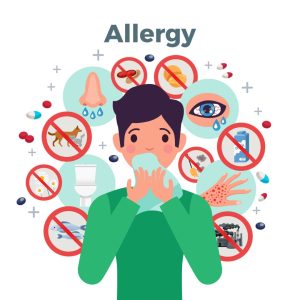
Hives are raised, red, itchy welts that appear suddenly on the skin. They can vary in size and may merge to form larger patches. Hives are often uncomfortable and may draw unwanted attention when visible.
Characteristics of hives include:
- Intense itching
- Swelling
- Warmth or tenderness
- Temporary appearance and disappearance
In some cases, hives may be accompanied by deeper swelling known as angioedema.
Skin Rashes and Eczema-Like Symptoms
Allergies can also cause chronic skin rashes that are itchy, painful, and inflamed. These rashes may crack, bleed, or become infected if scratched excessively.
Skin allergy symptoms often result in:
- Emotional distress
- Self-consciousness
- Sleep disturbances
- Increased risk of skin infections
Itching of the Mouth, Throat, and Skin
Persistent and Unrelieved Itching
One of the most frustrating allergy symptoms is persistent itching that cannot be easily relieved. This itching may affect the mouth, throat, ears, or entire body.
Common sensations include:
- Tingling or crawling feeling
- Burning or dryness
- Irritation after eating certain foods
Throat itching can also cause coughing or a feeling of tightness, which may be mistaken for anxiety or respiratory illness.
Digestive System Symptoms
Diarrhea and Gastrointestinal Distress
Food allergies often manifest through digestive symptoms, including diarrhea, nausea, abdominal pain, and vomiting. Prolonged or severe diarrhea can lead to dehydration and electrolyte imbalances.
Digestive allergy symptoms may include:
- Stomach cramps
- Bloating
- Gas
- Loss of appetite
In vulnerable individuals, especially children and the elderly, prolonged gastrointestinal symptoms can become dangerous.
Neurological Symptoms: Headaches and Fatigue
Allergy-Induced Headaches
Headaches are a commonly overlooked allergy symptom. Nasal congestion and sinus inflammation can lead to pressure headaches that interfere with concentration and daily functioning.
Symptoms often include:
- Dull or throbbing pain
- Pressure behind the eyes
- Sensitivity to light and sound
Chronic Fatigue and Brain Fog
Many allergy sufferers experience ongoing fatigue due to disrupted sleep, inflammation, and immune system overactivity. This can result in mental fog, irritability, and reduced cognitive performance.
Systemic and Severe Allergic Reactions
When Allergy Symptoms Become Life-Threatening
While many allergies cause mild to moderate symptoms, some reactions escalate rapidly and affect multiple body systems. Warning signs of a severe allergic reaction include:
- Sudden difficulty breathing
- Swelling of the lips, tongue, or throat
- Rapid heartbeat
- Dizziness or fainting
These symptoms require immediate medical attention.
Psychological and Social Impact of Allergies
Emotional Stress and Quality of Life
Living with chronic allergies can take a toll on mental health. Constant discomfort, visible symptoms, and dietary restrictions may lead to stress, anxiety, and social withdrawal.
Many individuals report:
- Reduced self-confidence
- Frustration with ongoing symptoms
- Fear of accidental exposure
Addressing the psychological aspects of allergies is just as important as treating physical symptoms.
Conclusion
Allergy symptoms range from mild annoyances to severe, life-threatening conditions. They can affect nearly every system in the body, including the respiratory tract, skin, eyes, digestive system, and nervous system. Recognizing these symptoms early is essential for effective management, prevention of complications, and improvement of overall quality of life.
With modern medical understanding, increased awareness, and appropriate treatment strategies, individuals with allergies can lead healthy, active lives. Paying attention to symptoms, identifying triggers, and seeking professional guidance when necessary are key steps toward long-term well-being.