
 By admin

The Health Benefits of Omega-3 Fish Oils: A Comprehensive Guide to Their Role in the Human Body
Introduction
In recent decades, Omega-3 fish oils have received considerable attention from researchers, health professionals, and the general public. These essential fatty acids play a profound role in supporting the body’s biological functions, from heart and brain health to reducing inflammation and improving overall well-being. However, despite their importance, most people do not get enough Omega-3s through diet alone, mainly due to modern eating habits and concerns related to contamination in certain fish sources. As a result, high-quality Omega-3 supplements have become an increasingly popular solution.
This article provides an in-depth and updated examination of Omega-3 fish oils—what they are, why they are essential, how they benefit the body, and how to choose and use them responsibly for optimal health. With science-backed evidence and clear explanations, we’ll explore the remarkable benefits of these vital nutrients and how they can help promote a healthier, more balanced lifestyle.
Understanding Omega-3 Fatty Acids
What Are Omega-3 Fish Oils?
Omega-3 fish oils are natural fats extracted primarily from cold-water fish such as salmon, sardines, anchovies, mackerel, and herring. These fats are rich in two essential polyunsaturated fatty acids: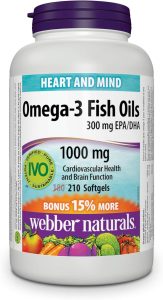
- EPA (Eicosapentaenoic Acid)
- DHA (Docosahexaenoic Acid)
Both EPA and DHA are considered “essential” because the body cannot produce them efficiently on its own. Instead, they must be obtained through diet or supplementation. These fatty acids contribute to the structure of cell membranes, support hormone production, and regulate a wide array of metabolic and cognitive functions.
Why Not Rely on Eating Fish Alone?
While fish is a natural source of Omega-3s, environmental concerns have made frequent fish consumption less advisable. Modern oceans contain high levels of pollutants—especially mercury, microplastics, PCBs, and dioxins—which can accumulate in fish tissue. Consuming contaminated fish regularly has been linked to neurological and developmental risks.
To address this issue, reputable supplement companies now refine and filter fish oil to remove heavy metals and toxins. This allows individuals to obtain the health benefits of Omega-3s without exposing themselves to harmful contaminants.
Key Health Benefits of Omega-3 Fish Oils
1. Cardiovascular Health and Heart Disease Prevention
One of the most researched benefits of Omega-3 fatty acids is their positive effect on cardiovascular health. The American Heart Association (AHA) recommends Omega-3 intake to help reduce the risk of heart disease, the leading cause of death worldwide.
How Omega-3 Supports the Heart
- Reduces triglyceride levels, which lowers the risk of arterial plaque formation.
- Improves blood vessel elasticity, promoting better circulation.
- Reduces inflammation, a major contributor to heart disease.
- Supports healthy heart rhythm, decreasing the likelihood of arrhythmias.
- May lower blood pressure slightly, especially in individuals with hypertension.
Clinical studies show that regular Omega-3 supplementation can decrease the likelihood of heart attacks, strokes, and cardiac-related death.
2. Brain Health, Cognitive Function, and Mental Well-Being
DHA is a critical structural component of the brain, making up nearly 25% of its fat content. A deficiency in DHA can negatively impact brain development, memory, and emotional stability.
Brain-Related Benefits
- Enhances memory and cognitive performance
- Supports learning ability, especially in children
- Helps reduce age-related cognitive decline
- May lower risk of dementia and Alzheimer’s disease
- Supports mental health, particularly in mood regulation
Studies show that individuals with low DHA levels may experience:
- Depression
- Anxiety
- Memory disturbances
- Increased risk of neurodegenerative disorders
Supplementing Omega-3 oils is therefore commonly recommended for students, older adults, and individuals experiencing stress or mood imbalance.
3. Anti-Inflammatory Properties and Immune Support
Chronic inflammation is a major contributor to numerous health conditions, including arthritis, asthma, autoimmune disorders, and metabolic diseases. Omega-3 fatty acids have natural anti-inflammatory effects, helping the body regulate its immune response.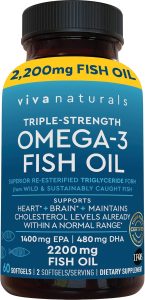
How Omega-3 Helps Reduce Inflammation
- Blocks production of inflammatory compounds
- Supports joint lubrication and reduces stiffness
- Eases discomfort associated with arthritis and chronic pain
Many patients with inflammatory conditions report noticeable improvement when Omega-3 supplements are taken consistently.
4. Eye Health and Vision Support
DHA is also found in high concentrations in the retina. Adequate Omega-3 intake helps protect eye function and may reduce the risk of macular degeneration, dry eyes, and vision decline.
5. Benefits for Pregnant Women and Child Development
Omega-3 fatty acids are critical during pregnancy and early childhood. DHA supports fetal brain and nervous system development, while EPA assists in maternal cardiovascular health.
Benefits include:
- Healthier pregnancy outcomes
- Reduced risk of premature birth
- Increased cognitive development in infants
- Improved postpartum emotional health
Recommended Dosage and Safe Use
The American Heart Association recommends 0.5 to 1.8 grams per day of combined EPA and DHA for general health. Individuals with specific health concerns may require more, but medical supervision is essential for higher doses.
General Dosage Guidelines
| Purpose | Recommended Intake |
|---|---|
| General wellness | 500–1000 mg/day |
| Heart health support | 1000–2000 mg/day |
| High triglycerides (medical guidance) | 2000–4000 mg/day |
Never exceed 3 grams per day without physician approval to avoid blood-thinning risks.
How to Choose a High-Quality Omega-3 Supplement
To ensure safety and effectiveness, consider the following criteria when choosing Omega-3 fish oil:
- Certified mercury-free and molecularly distilled
- High EPA and DHA concentration (look for 60% or more combined)
- Sustainably sourced fish
- Third-party purity tested
Softgel, liquid, and capsule forms are all effective when sourced properly.
Conclusion
Omega-3 fish oils play an essential role in maintaining a healthy mind and body. From protecting the heart and enhancing brain function to reducing inflammation and supporting emotional balance, their impact on overall health cannot be overstated. Because the human body cannot synthesize sufficient quantities of these fatty acids, it is vital to obtain them through mindful dietary choices or high-quality supplementation. When taken responsibly and consistently, Omega-3 fish oils can improve quality of life, protect against chronic disease, and support long-term wellness.
Parmigiano Reggiano: A Culinary Icon of Italy