
 By admin
Understanding Prostate Health: What Every Man Should Know
Introduction
The prostate may be a small gland, but it plays a major role in men’s health—particularly as they age. Yet despite its importance, many men know very little about the prostate, where it is located, what it does, and how it can impact their long-term well-being. Prostate-related conditions are incredibly common, from benign enlargement to inflammation and even cancer. These conditions affect millions of men worldwide and are often surrounded by confusion, embarrassment, and hesitation to discuss symptoms.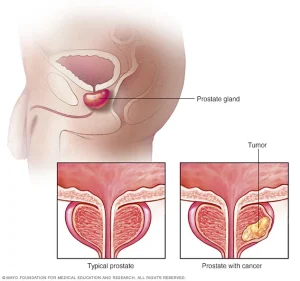
This silence can be dangerous. Whether due to cultural expectations or personal discomfort, many men do not seek medical help early enough, missing the opportunity for timely and effective treatment. This article aims to change that narrative by providing clear, evidence-based information about the prostate and the conditions that commonly affect it. By understanding how the prostate works, recognizing early symptoms, and adopting healthier lifestyle habits, men can take control of their prostate health and reduce the risk of complications as they age.
In this comprehensive guide, we will explore seven essential facts about the prostate that every man should know. These insights can empower men at any age—from young adults to seniors—to make informed health decisions, engage in meaningful conversations with healthcare professionals, and live a healthier, more confident life.
Understanding the Prostate: Structure, Function, and Importance
What Is the Prostate?
The prostate is a small, walnut-shaped gland located just below the bladder and in front of the rectum. It surrounds the urethra, the tube responsible for carrying urine and semen out of the body. Although small, it plays a crucial role in the male reproductive system.
Primary Function
The prostate’s main function is to produce seminal fluid—the liquid component of semen that helps nourish and transport sperm. During ejaculation, the prostate contracts, pushing this fluid into the urethra to mix with sperm produced in the testes.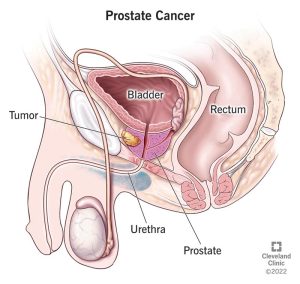
Why Men Don’t Notice It—Until There’s a Problem
Because the prostate is internal and relatively small, men rarely notice it or think about it when it is healthy. However, once the gland becomes inflamed, enlarged, or affected by tumor growth, the pressure on the urethra can lead to noticeable urinary and sexual symptoms.
Common Prostate Conditions
There are three major prostate-related conditions that occur most frequently in men. Understanding the differences between them is essential for proper diagnosis and treatment.
1. Prostatitis (Prostate Inflammation)
Prostatitis is an inflammation of the prostate and is especially common in younger and middle-aged men, although it can occur at any age.
Types of Prostatitis
- Acute bacterial prostatitis – Caused by infection, often sudden and severe.
- Chronic bacterial prostatitis – Repeated urinary tract infections involving the prostate.
- Chronic pelvic pain syndrome – The most common type, often without infection but causing persistent pain and discomfort.
Common Symptoms
- Pain during urination
- Pelvic, groin, or lower back pain
- Difficulty urinating
- Fever or chills (in acute cases)
- Fatigue and reduced energy
Treatment Approaches
- Antibiotics (for bacterial infections)
- Anti-inflammatory medications
- Warm baths, hydration, and lifestyle adjustments
- Pelvic floor physical therapy in chronic cases
Prostatitis can significantly affect quality of life, and because symptoms can resemble other conditions, professional evaluation is crucial.
2. Benign Prostatic Hyperplasia (BPH) – Enlarged Prostate
BPH is the most common prostate condition in older men. It is non-cancerous, but it can cause increasingly uncomfortable urinary problems.
Why BPH Happens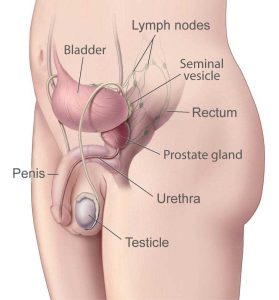
As men age, hormonal changes—particularly involving testosterone and its derivatives—cause the prostate to gradually grow. While this growth is natural, enlargement can pressure the urethra and bladder.
Common Symptoms of BPH
- Weak urine stream
- Difficulty starting urination
- Frequent urination, especially at night (nocturia)
- Dribbling or leaking after urination
- Feeling like the bladder is never completely empty
Diagnosis and Treatment
- Digital Rectal Exam and PSA Testing
- Medications (alpha-blockers, hormone blockers)
- Minimally Invasive Procedures such as steam therapy
- Surgery in advanced cases
BPH is not life-threatening but can deeply affect sleep, energy, confidence, and daily comfort if left unmanaged.
3. Prostate Cancer
Prostate cancer is one of the most common cancers affecting men worldwide. While some types grow slowly, others can progress rapidly, making early detection essential.
Risk Factors
- Age (most cases occur after age 50)
- Family history of prostate cancer
- Race and genetics (higher risk among African and Caribbean men)
- Diet high in processed foods and saturated fats
- Obesity and metabolic syndrome
Common Symptoms (Often Silent at First)
In early stages, prostate cancer may show no symptoms. Later symptoms can resemble BPH:
- Frequent urination
- Difficulty stopping or starting urination
- Blood in urine or semen
- Pain in hips, back, or pelvis
Diagnosis
- PSA Blood Test (Prostate-Specific Antigen levels)
- MRI Imaging
- Biopsy
Treatment Options
- Active surveillance for slow-growing tumors
- Surgery to remove the prostate
- Radiation therapy
- Hormone therapy
- Immunotherapy or targeted medication for advanced cases
Early detection significantly improves long-term recovery outcomes.
Seven Key Things Every Man Should Know About the Prostate
- Every man has a prostate, and changes in its size or function are a normal part of aging.
- Prostate cancer is very common, but early detection leads to high survival rates.
- Young men can experience prostate problems, including prostatitis.
- An enlarged prostate does not always mean cancer, but both conditions can share symptoms.
- Lifestyle plays a major role in prostate health—diet, exercise, and weight management matter.
- Regular screening starting around age 50 (or earlier with family history) can save lives.
- Talking openly about symptoms is essential—silence increases risk, awareness prevents suffering.
Protecting and Maintaining Prostate Health
Healthy Lifestyle Habits
Dietary Choices
Foods that support prostate health:
- Tomatoes and tomato-based products (rich in lycopene)
- Green tea and antioxidants

- Fatty fish high in Omega-3 fatty acids (salmon, sardines)
- Vegetables like broccoli, kale, and cauliflower
Limit:
- Processed meats
- Excessive dairy
- High-fat foods
- Alcohol and caffeine (especially for men with BPH symptoms)
Exercise and Weight Control
Regular physical activity improves hormone balance, circulation, and immune health.
Recommended:
- 150 minutes of moderate exercise per week
- Strength training two days per week
Avoid Smoking
Smoking is linked to aggressive prostate cancer and slower recovery rates.
Conclusion
The prostate is a small gland with a major impact on men’s health, especially as they age. Understanding how it works, recognizing changes early, and prioritizing regular screening can make a powerful difference in long-term health outcomes. Whether dealing with prostatitis, benign growth, or concerns about cancer, early action and informed choices are key.
By maintaining a healthy lifestyle, communicating openly with healthcare professionals, and staying aware of the signs and symptoms of prostate issues, men can protect their health and continue to lead active, fulfilling lives well into their older years.
Acid–Alkaline Balance (pH) in the Human Body