
 By admin

Precautions to Take While Combing Hair: A Complete Guide to Healthy Hair Care, Scalp Protection, and Damage Prevention
Introduction
Hair combing is one of the most common personal grooming habits practiced by people of all ages. Although it appears to be a simple daily routine, the way you comb your hair has a significant impact on hair health, scalp condition, and overall appearance. Healthy, shiny, and well-managed hair is not achieved solely through expensive hair products; it begins with proper daily care, and careful combing is one of the most overlooked yet essential aspects of that care.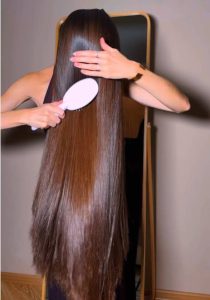
Modern dermatological research confirms that poor grooming habits can contribute to unnecessary hair breakage, split ends, scalp irritation, and even certain forms of hair loss. On the other hand, gentle and correct combing techniques help distribute natural scalp oils, reduce tangles, improve blood circulation to the scalp, and maintain the overall strength and beauty of the hair.
Hair also plays an important role in self-confidence and personal image. Hairstyles often reflect individual personality, cultural traditions, and fashion trends. While styles continue to evolve with changing fashions, the basic principles of maintaining healthy hair remain unchanged. Proper nutrition, adequate hydration, stress management, regular cleansing, and careful grooming all contribute to strong, healthy hair.
This comprehensive guide explores the best precautions to take while combing your hair. It combines traditional grooming advice with modern hair care recommendations to help prevent damage, minimize hair loss, and maintain healthy hair for years to come.
Why Proper Hair Combing Matters
Many people underestimate the importance of proper hair combing. However, each stroke of the comb either helps protect the hair or contributes to its damage.
Correct combing offers numerous benefits, including:
- Preventing unnecessary hair breakage
- Reducing hair tangles
- Evenly distributing natural scalp oils
- Improving scalp hygiene
- Stimulating blood circulation
- Keeping hairstyles neat and manageable
- Preventing scalp irritation
- Supporting healthier hair growth
Improper combing, however, can gradually weaken hair shafts and damage hair follicles over time.
Understanding Hair Structure Before Combing
To understand why proper combing is important, it helps to know how hair is structured.
Each strand consists of three layers:
The Cuticle
The cuticle is the outer protective layer. When healthy, it lies flat, making hair smooth and shiny. Rough handling can lift or damage the cuticle.
The Cortex
The cortex provides hair with strength, elasticity, and color. Damage to this layer leads to weak, brittle hair.
The Medulla
The medulla forms the inner core and is present mainly in thicker hair types.
Because hair is delicate—especially when wet—careful grooming is essential to preserve these structures.
Choosing the Right Comb
One of the most important precautions is selecting the proper comb for your hair type.
Wide-Tooth Combs
Wide-tooth combs are ideal for:
- Curly hair
- Thick hair
- Wet hair (after applying conditioner)
- Tangled hair
They minimize pulling and reduce breakage.
Fine-Tooth Combs
Fine-tooth combs are better suited for:
- Short hairstyles
- Precision styling
- Creating defined parts
They should not be used aggressively on tangled hair.
Wooden Combs
Wooden combs have gained popularity because they:
- Produce less static electricity
- Massage the scalp gently
- Reduce frizz
- Feel comfortable during use
Carbon Fiber Combs
These are:
- Durable
- Heat resistant
- Anti-static
- Suitable for professional styling
Match the Comb to Your Hair Type
Different hair textures require different grooming tools.
Straight Hair
A paddle brush or medium-tooth comb works well.
Wavy Hair
A wide-tooth comb helps preserve natural waves.
Curly Hair
Wide-tooth combs minimize curl disruption and reduce breakage.
Coily Hair
Finger detangling followed by a wide-tooth comb is often the safest approach.
Fine Hair
Soft-bristle brushes and gentle combs prevent unnecessary tension.
Thick Hair
Strong, wide-tooth combs help remove tangles efficiently.
Comb Hair Gently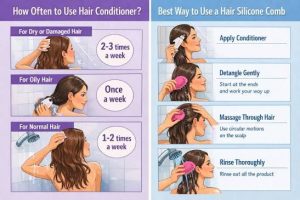
Gentle combing is perhaps the most important rule.
Avoid:
- Pulling
- Tugging
- Rushing
- Jerking through knots
Aggressive combing causes:
- Split ends
- Hair breakage
- Scalp irritation
- Increased shedding
Instead, use slow and controlled strokes.
Never Start from the Roots
Many people make the mistake of beginning at the scalp.
Instead:
- Start at the ends.
- Remove small tangles.
- Move gradually upward.
- Finish by combing from roots to ends.
This reduces stress on the hair shaft.
Avoid Combing Wet Hair Aggressively
Hair becomes significantly weaker when wet.
The hair shaft absorbs water and stretches, making it vulnerable to damage.
Best practice includes:
- Gently towel-drying the hair
- Allowing partial air drying
- Using a wide-tooth comb
- Applying a leave-in conditioner or detangling spray
Avoid brushing dripping wet hair unless specifically designed tools are used.
Dry Hair Properly Before Combing
Instead of rubbing the hair with a rough towel: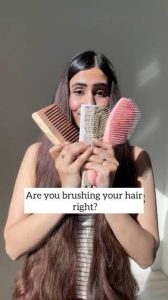
- Pat it gently.
- Use a microfiber towel.
- Avoid twisting the hair.
- Let it air dry whenever possible.
This reduces friction and protects the cuticle.
Detangle Before Styling
Hair should be free from knots before:
- Blow drying
- Curling
- Straightening
- Braiding
- Tying into ponytails
Detangled hair experiences less stress during styling.
Never Comb Against the Natural Hair Direction
Repeatedly combing hair in the opposite direction increases tension on the roots.
Possible consequences include:
- Hair breakage
- Scalp discomfort
- Traction alopecia
- Weakened follicles
Always follow the natural growth pattern whenever possible.
Avoid Excessive Backcombing
Backcombing (teasing) creates volume but should be done sparingly.
Frequent teasing:
- Lifts the cuticle
- Weakens hair fibers
- Creates knots
- Makes detangling difficult
Reserve this technique for occasional styling.
Limit How Often You Comb
Contrary to old myths, excessive brushing does not improve hair growth.
Most people only need to comb: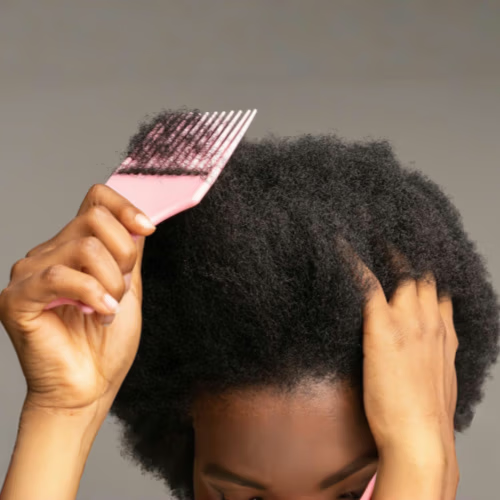
- Morning
- After washing (when mostly dry)
- Before bedtime if necessary
Over-combing increases friction and mechanical damage.
Choose Combs with Smooth Teeth
Sharp or rough comb teeth can scratch the scalp.
Look for combs with:
- Rounded tips
- Smooth edges
- High-quality materials
- Flexible construction
Replace damaged combs immediately.
Keep Your Comb Clean
Dirty combs collect:
- Hair
- Dust
- Dead skin cells
- Oil
- Hair products
- Bacteria
- Fungi
Clean your comb regularly by:
- Removing trapped hair.
- Washing with warm water and mild shampoo.
- Using a soft brush for deep cleaning.
- Drying completely before reuse.
Never Share Hair Combs
Sharing combs can spread:
- Head lice
- Ringworm
- Fungal infections
- Bacterial infections
- Scalp irritation
Each person should have their own grooming tools.
Handle Tangled Hair Correctly
Large knots should never be forced apart.
Instead: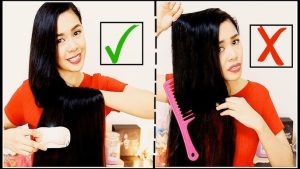
- Apply conditioner or detangler.
- Separate hair into sections.
- Use fingers first.
- Work upward slowly.
- Finish with a wide-tooth comb.
Patience prevents unnecessary hair loss.
Keep Your Scalp Healthy
Healthy hair begins with a healthy scalp.
Maintain scalp health through:
- Regular washing
- Gentle massage
- Avoiding harsh chemicals
- Treating dandruff promptly
- Staying hydrated
A clean scalp supports stronger follicles.
Nutrition Supports Healthy Hair
No grooming routine can compensate for poor nutrition.
Essential nutrients include:
Protein
Hair consists mainly of keratin protein.
Sources include:
- Eggs
- Fish
- Poultry
- Beans
- Lentils
Iron
Iron deficiency may contribute to hair shedding.
Sources:
- Spinach
- Red meat
- Legumes
Zinc
Supports follicle repair.
Biotin
Important for keratin production.
Omega-3 Fatty Acids
Improve scalp hydration.
Vitamins A, C, D, and E
Help maintain healthy hair follicles and protect against oxidative stress.
Stay Hydrated
Water supports healthy:
- Hair roots
- Scalp cells
- Skin
- Blood circulation
Dehydration often makes hair appear dull and brittle.
Protect Hair from Heat
Frequent use of:
- Hair dryers
- Curling irons
- Straighteners
can weaken hair over time.
Before heat styling:
- Apply heat protectant.
- Use moderate temperatures.
- Avoid daily exposure.
Protect Hair While Sleeping
Nighttime habits also matter.
Use:
- Silk pillowcases
- Satin pillowcases
- Loose braids for long hair
These reduce friction and morning tangles.
Trim Hair Regularly
Regular trims remove split ends before they spread upward.
Most experts recommend trimming every 8–12 weeks depending on hair type and styling habits.
Manage Stress
Chronic stress may contribute to increased hair shedding.
Healthy stress management includes:
- Exercise
- Meditation
- Quality sleep
- Balanced nutrition
- Relaxation techniques
Recognize When Hair Loss Requires Medical Attention
Some hair shedding is completely normal.
However, seek professional evaluation if you notice:
- Sudden excessive shedding
- Bald patches
- Persistent scalp pain
- Severe itching
- Redness
- Scaling
- Hair thinning that progresses rapidly
Early diagnosis improves treatment success.
Common Hair Combing Mistakes
Avoid these common errors:
- Combing too aggressively

- Using dirty combs
- Sharing combs
- Starting from the roots
- Using broken combs
- Brushing soaking wet hair
- Excessive backcombing
- Over-combing throughout the day
- Ignoring scalp hygiene
- Forcing through knots
Daily Hair Combing Routine
A simple daily routine can significantly improve hair health.
Morning
- Detangle gently.
- Style carefully.
- Avoid excessive pulling.
After Washing
- Towel dry gently.
- Apply conditioner if needed.
- Use a wide-tooth comb.
Evening
- Remove tangles.
- Massage the scalp lightly.
- Braid long hair loosely before sleep.
Hair Care Tips for Different Age Groups
Children
Use soft brushes and avoid tight hairstyles.
Teenagers
Avoid excessive heat styling and chemical treatments.
Adults
Focus on balanced nutrition and proper grooming.
Older Adults
Hair naturally becomes thinner with age, requiring gentler handling and moisturizing products.
Sustainable Hair Care Practices
Modern hair care also includes environmentally friendly habits:
- Choose durable combs instead of disposable plastic ones.
- Use biodegradable hair products when possible.
- Reduce excessive heat styling to save energy.
- Recycle packaging responsibly.
- Purchase quality grooming tools that last longer.
These practices benefit both your hair and the environment.
Final Thoughts
Hair combing may seem like one of the simplest parts of a daily grooming routine, yet it has a profound influence on the long-term health, strength, and appearance of your hair. Small habits—such as selecting the appropriate comb, handling wet hair carefully, detangling patiently, maintaining clean grooming tools, and avoiding excessive force—can significantly reduce breakage and help preserve healthy hair.
Beautiful hair is not achieved through styling products alone. It reflects consistent daily care, proper nutrition, a healthy scalp, and mindful grooming practices. By adopting scientifically supported hair care techniques and avoiding common mistakes, you can protect your hair from unnecessary damage, improve its natural shine, and support healthy growth throughout every stage of life.
Ultimately, healthy hair begins with healthy habits. Every gentle stroke of the comb contributes to stronger, smoother, and more resilient hair, making proper combing an essential part of a complete hair care routine.