
 By admin
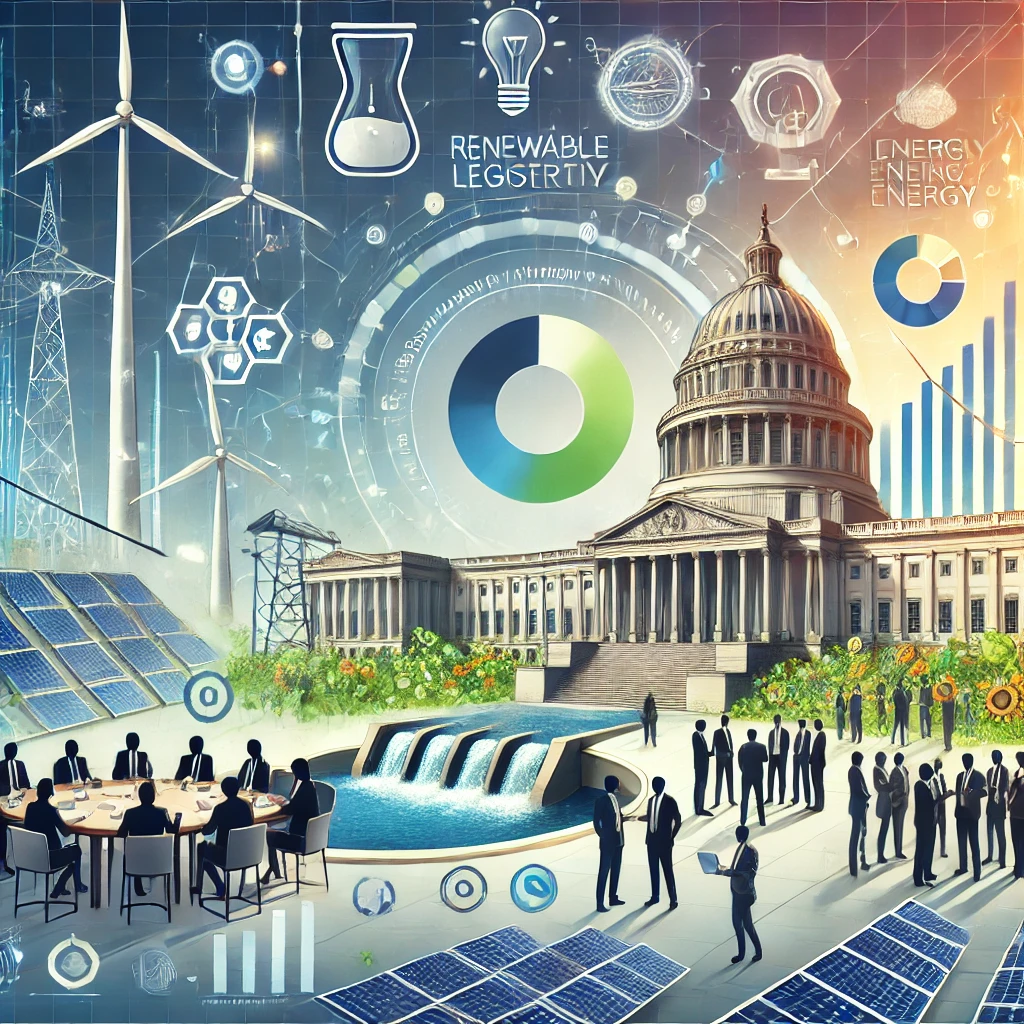
In today’s world, the consumption of home energy has become a pressing concern. With modern society heavily reliant on electricity to fuel daily life, the cost of energy has reached levels that many find unaffordable for the services it provides. In response to this challenge, individuals and communities have long sought out innovative solutions to alleviate the financial burden of energy consumption, while also striving to reduce the environmental impact of traditional power sources. This pursuit has led to the development of alternative home energy systems—an evolving field with deep historical roots. While alternative energy is often seen as a recent innovation, it is, in fact, part of a longstanding tradition of harnessing natural resources to improve human life.
There are several types of alternative home energy systems that have gained prominence over the years. These methods draw on the power of nature, offering homeowners not only the opportunity to reduce their reliance on conventional electricity but also to contribute to a more sustainable and eco-friendly future.
1. Wind Energy
Wind energy is one of the most well-known and widely used forms of alternative home energy. In modern times, small-scale wind turbines are installed on homes to generate electricity, often used for powering small appliances. However, the concept of using wind for energy dates back centuries. The windmill, originally used for milling grain, is an early example of harnessing wind power for practical purposes. The windmill’s primary function was to convert wind energy into mechanical energy, turning large grinders to process grain—a labor-intensive task when done manually.
Given its efficiency, the windmill gradually evolved into a more technologically advanced device. Today, wind turbines capture the kinetic energy of wind and convert it into electricity, providing an eco-friendly alternative to traditional energy sources. Wind energy is now used not only for small household needs but also for larger-scale electricity generation. In fact, the continued advancement of wind turbine technology makes it possible to supply entire communities with power derived from the wind.
2. Solar Energy
Solar energy is perhaps the most widely recognized form of alternative home energy, especially as technology has progressed in recent decades. While modern solar panels are designed to convert sunlight into electricity, the concept of using the sun’s energy dates back centuries. Consider the simple clothesline, a ubiquitous feature in homes for generations—this simple device is a form of solar energy harnessing. The sun has been drying clothes long before electric dryers were invented, proving that the sun can accomplish tasks efficiently without relying on modern electrical power.
In today’s world, solar energy is harnessed in a variety of ways. Some homeowners use solar power to heat their homes, others use it to heat water, and many use solar panels to power appliances and reduce electricity consumption. The efficiency of solar panels has significantly improved in recent years, making it possible to generate enough power to fully supply a home with electricity. The prospect of a solar-powered home is no longer a distant dream, and for many, it is a tangible, cost-effective reality.
3. Hydropower
Hydropower, or water energy, is another form of renewable energy that has been used for centuries. This method involves harnessing the energy of flowing water to turn turbines and generate electricity. Historically, waterwheels were used to capture the power of rivers and streams, primarily to grind grain into flour. These early waterwheels were effective tools for harnessing natural energy, and their design paved the way for modern hydroelectric systems.
Today, small-scale hydropower systems, such as micro-hydro installations, can be used in homes that are located near flowing water sources. These systems function similarly to large hydroelectric dams but on a smaller scale, providing homeowners with a reliable source of electricity without relying on the grid. Hydropower is a versatile and consistent source of energy, making it an excellent choice for those who live in areas with access to rivers or streams.
4. Biogas
Biogas is a renewable energy source produced through the anaerobic decomposition of organic materials, such as food waste, agricultural residues, and animal manure. This process results in the production of methane gas, which can be used as a clean alternative to traditional fossil fuels. Biogas has been used for centuries in various cultures to fuel cooking and heating systems, but its potential as a modern energy source has only recently been fully realized.
For homeowners, biogas offers a sustainable way to reduce energy costs, particularly for heating and cooking. In some cases, biogas can be produced and stored on-site, allowing homeowners to reduce their dependence on conventional sources like liquefied petroleum gas (LPG) or natural gas. By installing a biogas system, individuals can minimize their carbon footprint while generating their own fuel for domestic use.
The Future of Alternative Home Energy
The benefits of using alternative home energy sources are clear: reduced energy costs, a smaller environmental impact, and the potential for greater energy independence. While some of the technologies involved may still seem out of reach for the average homeowner due to high initial costs, the long-term savings and environmental advantages make these investments worthwhile. Moreover, as technology continues to improve, the efficiency and affordability of alternative energy systems will only increase.
Furthermore, the environmental benefits of alternative home energy cannot be overstated. Unlike traditional fossil fuels, renewable energy sources like wind, solar, water, and biogas do not emit harmful pollutants into the atmosphere. They offer a clean, sustainable alternative that helps mitigate the effects of climate change and fosters a healthier planet for future generations.
In addition to the environmental advantages, alternative home energy systems contribute to a more decentralized energy grid. This decentralization can reduce the strain on public utility systems and increase energy security. By generating energy on-site, homeowners are less dependent on external power sources and are more resilient in the face of power outages or disruptions to the traditional energy grid.
Conclusion
Alternative home energy offers a diverse array of options for homeowners seeking to reduce their energy consumption, lower costs, and protect the environment. From wind turbines to solar panels, from hydropower to biogas, these renewable energy sources are not only practical but also integral to creating a more sustainable future. By embracing these technologies, individuals can contribute to the global transition away from fossil fuels, ensuring that future generations will inherit a cleaner, more sustainable world.
While the upfront costs of implementing alternative energy systems may seem high, the long-term savings and environmental benefits make these technologies an excellent investment. As innovation continues to drive advancements in efficiency and affordability, it is clear that alternative home energy will play a vital role in shaping the future of energy consumption and production. By adopting these sustainable solutions, homeowners can take part in a global movement toward cleaner, more responsible energy use, creating a better world for themselves and generations to come.