
 By admin
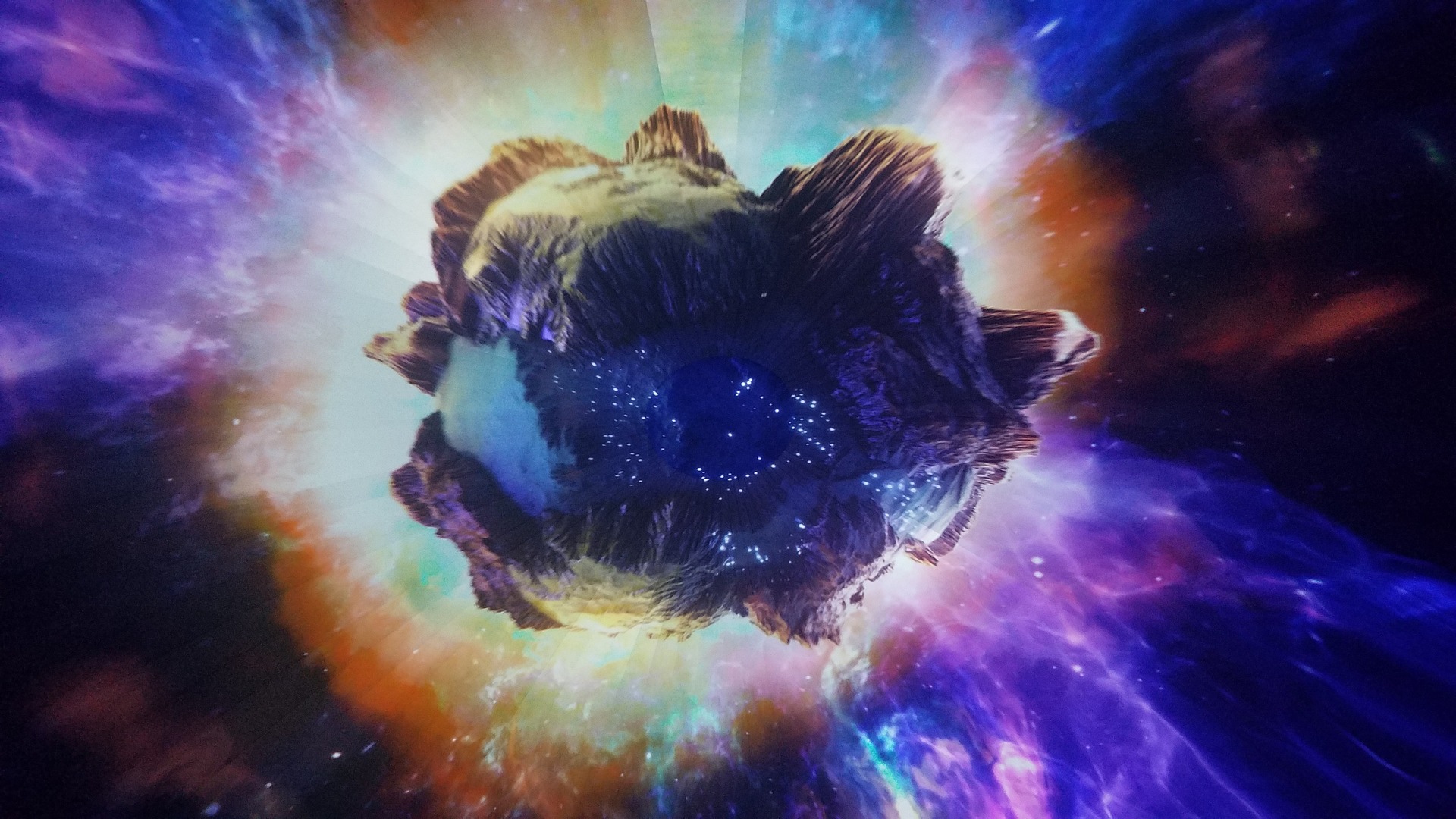
Exploring Asteroids: A Professional Overview of Current Discoveries and Research
The cosmos is a continuously evolving spectacle, filled with phenomena that captivate the imagination of astronomers and casual stargazers alike. Among these celestial bodies, asteroids represent one of the most dynamic and intriguing groups. Their movements, compositions, and potential impact on Earth make them subjects of both scientific interest and cultural fascination. With new discoveries constantly reshaping our understanding of these objects, the study of asteroids is as relevant as ever in the field of astronomy.
Asteroids are often considered the “rock stars” of space due to their swift and erratic orbits, which set them apart from the more stationary stars, moons, and planets. Unlike these more predictable celestial bodies, asteroids are constantly on the move, and their appearance in the night sky can evoke excitement and curiosity. Many of these objects originate from the asteroid belt, a region of space located between Mars and Jupiter. It is from this belt that many well-known asteroids have emerged.
A major focus in asteroid research lies in understanding their compositions. Scientists classify asteroids into several categories based on their makeup. The S-class asteroids, for instance, are primarily composed of silicate rock and are found in the inner part of the asteroid belt, closer to Mars. C-class asteroids, the most common, are carbon-rich and are located further out in the belt. Other types include D-class asteroids, which are dark and have a high percentage of organic material, and V-class, which are composed largely of volcanic rock. Centaurs, another class of asteroid, are objects whose orbits take them between Jupiter and Uranus, creating fascinating patterns of movement.
The study of asteroids has advanced significantly thanks to numerous space missions aimed at observing and analyzing these bodies up close. NASA has played a key role in asteroid exploration, with various probes and landers sent to study the composition, structure, and behavior of asteroids. Notable missions such as the 1994 Galileo probe, which passed within 1,000 miles of the asteroid Ida, provided groundbreaking insights into these objects. It was during this mission that scientists discovered that Ida had a moon of its own, an unexpected and thrilling revelation that sparked further interest in asteroid research.
In addition to flybys, more direct interaction with asteroids has been achieved through impactor missions. For example, NASA’s OSIRIS-REx mission, launched in 2016, visited the asteroid Bennu to collect samples for study. This mission involved a spacecraft landing on the surface of Bennu and retrieving material that could provide key insights into the formation of the solar system. Such missions have revealed not only the makeup of asteroids but also their potential for impact with Earth. In recent years, much attention has been given to monitoring asteroids for any risk of collision with our planet. While large-scale asteroid impacts like the one believed to have caused the extinction of the dinosaurs are extremely rare, scientists continuously monitor near-Earth objects (NEOs) for any signs of an impending threat.
The idea of an asteroid impact has captured the human imagination for centuries, often depicted in popular culture and science fiction. Movies such as Armageddon and Deep Impact have explored the notion of catastrophic asteroid strikes, fueling both public concern and fascination. These fictional portrayals, while often exaggerated, have contributed to an increasing awareness of the potential dangers posed by asteroids. However, with advances in scientific research and technology, the likelihood of a catastrophic asteroid impact is continually reassessed. Current models show that while the Earth is vulnerable to smaller objects, the chances of a large asteroid striking our planet in the near future remain relatively low.
Despite these low odds, NASA and other space agencies around the world remain vigilant in their efforts to track and study asteroids. The detection of near-Earth objects (NEOs) is an ongoing priority, and various methods are being developed to deflect potentially hazardous asteroids. These efforts include strategies such as kinetic impactors, gravity tractors, and even nuclear devices to alter the trajectory of a threatening asteroid.
The fascination with asteroids is not only limited to their potential danger but also extends to their scientific value. Asteroids are often considered time capsules, preserving material from the early solar system that can shed light on the formation of planets and other celestial bodies. By studying their compositions, astronomers hope to unlock clues about the origins of life on Earth and the broader processes that govern the cosmos.
The exploration of asteroids also holds significant practical benefits. The materials found on these objects, such as water and precious metals, could potentially be mined for use in future space exploration or even on Earth. The idea of asteroid mining has been a topic of growing interest in recent years, with private companies exploring the possibility of extracting valuable resources from asteroids in the coming decades.
In conclusion, asteroids continue to be a source of scientific discovery and public intrigue. As our understanding of these celestial bodies evolves, new missions and technological advancements promise to reveal even more about their composition, behavior, and potential impact on Earth. The study of asteroids not only deepens our knowledge of the solar system but also helps us prepare for the challenges and opportunities they present. Through continued research, we gain a greater appreciation for these dynamic and enigmatic objects, ensuring that they remain a focal point in the ever-expanding field of astronomy.