
 By admin
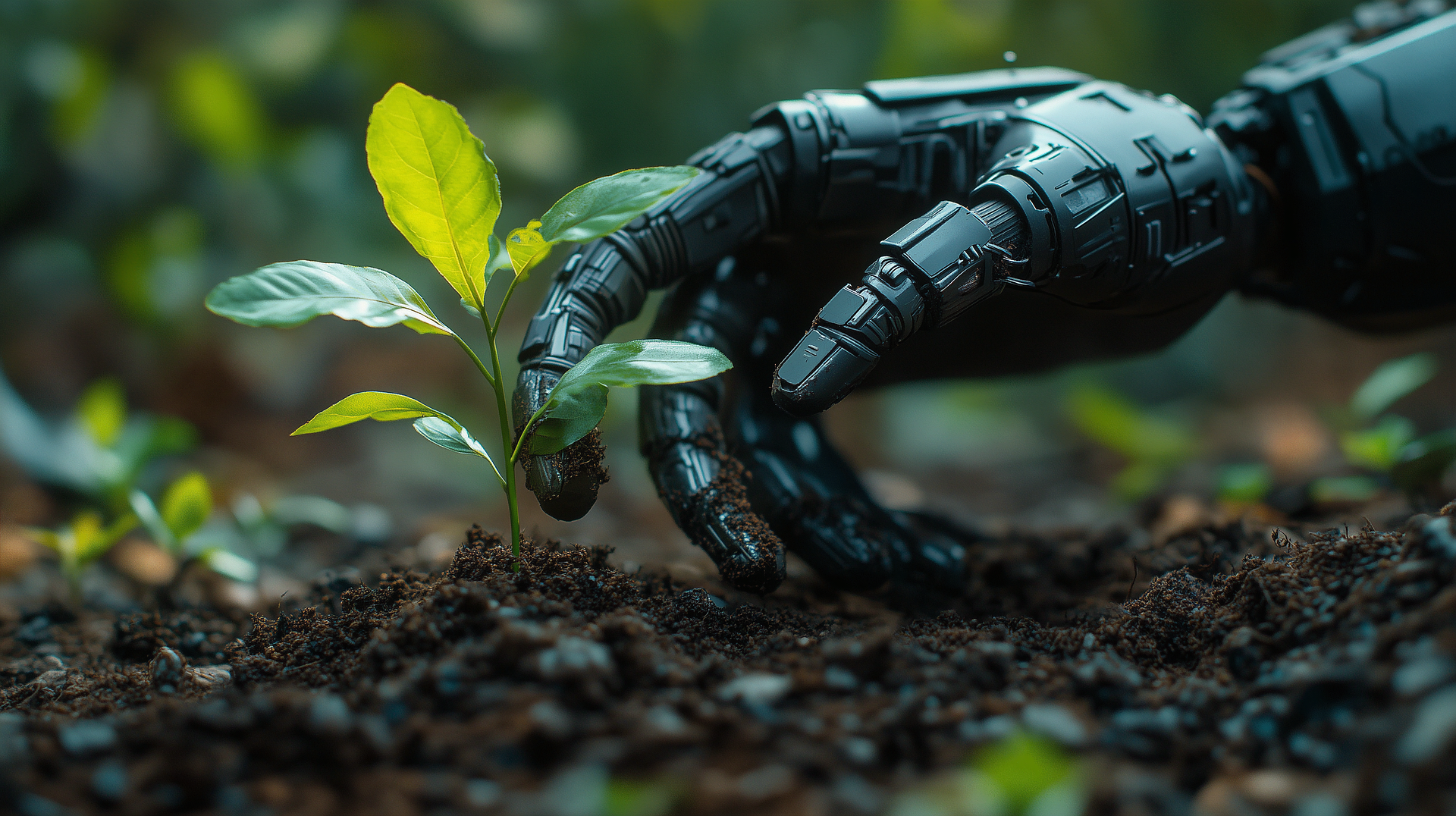
Fall gardening is an often-overlooked opportunity for gardeners to extend their growing season and enjoy a fresh wave of produce. Despite the cooler temperatures and the threat of early frosts, fall gardens can be both productive and rewarding. Many vegetables thrive in the milder weather, and some even develop a sweeter and more delicate flavor when grown in the fall. By carefully selecting crops and planning accordingly, you can achieve a bountiful harvest well into the cooler months. This guide will help you navigate fall gardening with practical tips, modern strategies, and a focus on sustainability.
The Benefits of Fall Gardening
Fall gardening offers numerous advantages, including:
- Extended Harvest Season: By planting crops in late summer or early fall, you can enjoy fresh vegetables long after spring and summer crops have finished.
- Improved Flavor: Cool-weather crops like carrots, kale, and Brussels sprouts often taste sweeter after exposure to light frosts due to increased sugar concentration.
- Fewer Pests and Diseases: Many pests and diseases that plague summer gardens decline in fall, making it easier to manage your plants.
- Optimal Growing Conditions: Cooler temperatures and shorter days create ideal conditions for many leafy greens and root vegetables.
Choosing the Right Crops for Fall
Selecting the right crops is crucial for a successful fall garden. Some vegetables thrive in cooler temperatures, while others can tolerate light frosts. Consider these categories:
Cold-Hardy Vegetables
These crops can withstand frosts and even temperatures as low as 20°F (-6°C):
- Kale
- Spinach
- Brussels sprouts
- Collard greens
- Swiss chard
Frost-Tolerant Vegetables
These crops can endure light frosts but may not survive a hard freeze:
- Broccoli
- Cauliflower
- Beets
- Turnips
- Cabbage
Fast-Growing Crops
For a quick harvest before the frost:
- Radishes
- Leaf lettuce
- Arugula
- Mustard greens
Planning Your Fall Garden
To ensure your fall garden is productive, careful planning is essential. Here’s how to get started:
1. Determine Your First Frost Date
Knowing the average date of the first hard frost in your area is key. Resources like the Farmer’s Almanac or local agricultural extensions provide accurate frost dates.
2. Calculate Planting Times
Subtract the days to maturity (listed on seed packets) from your expected first frost date to determine the latest planting date for each crop. Add a buffer of 1-2 weeks to account for slower growth due to shorter daylight hours.
3. Source Your Seeds Early
Fall gardening seeds can be harder to find later in the season. Purchase seeds in spring or early summer and store them in a cool, dry place.
Preparing Your Garden for Fall
Proper soil preparation sets the foundation for a successful fall garden:
- Clear the Area: Remove spent summer crops, weeds, and any debris. Leftover plant material can harbor diseases and pests.
- Amend the Soil: Add 2-3 inches of compost or well-rotted manure to replenish nutrients.
- Till and Moisturize: Loosen the soil to improve aeration and water retention. Lightly water the soil and let it settle for 12-24 hours before planting.
Planting and Maintenance Tips
1. Use Mulch for Insulation
Apply a thick layer of mulch to regulate soil temperature, retain moisture, and protect plants from frost.
2. Water Consistently
Fall weather can be unpredictable, so monitor soil moisture and water as needed. Avoid overwatering, as cooler temperatures slow evaporation.
3. Protect Against Frost
Use row covers, cold frames, or cloches to shield tender plants from unexpected frosts. These structures create a microclimate that extends the growing season.
4. Practice Succession Planting
Stagger your plantings every two weeks to ensure a continuous harvest throughout the season.
Modern Tools and Techniques
Incorporating modern gardening tools and sustainable practices can enhance your fall gardening experience:
- Soil Testing Kits: Test your soil’s pH and nutrient levels to tailor amendments for optimal growth.
- Drip Irrigation Systems: Automate watering and reduce water waste.
- Organic Fertilizers: Opt for slow-release fertilizers that nourish plants over time.
- Companion Planting: Pair compatible plants to improve growth and deter pests.
- Digital Garden Planners: Use apps to track planting schedules, frost dates, and harvest timelines.
Extending the Season
If you want to grow crops beyond the fall, consider these season-extending methods:
- Cold Frames: Build simple structures with transparent lids to trap heat and protect plants.
- Greenhouses: Invest in a greenhouse to grow a wider variety of crops year-round.
- Overwintering: Some crops, like garlic and certain onions, can be planted in fall and harvested in early spring.
Harvesting and Storage
Proper harvesting techniques ensure the best flavor and longevity:
- Harvest root vegetables like carrots and beets before the ground freezes. Store them in a cool, dark place.
- Pick leafy greens frequently to encourage new growth.
- For crops like kale and Brussels sprouts, wait until after a light frost for peak sweetness.
Conclusion
Fall gardening is a rewarding endeavor that allows you to make the most of your garden space and enjoy fresh produce well into the cooler months. By selecting the right crops, preparing your soil, and using season-extending techniques, you can achieve a thriving fall harvest. Whether you’re a seasoned gardener or a beginner, fall gardening offers a unique opportunity to experiment with new crops and enjoy the changing seasons.
Embrace the beauty and productivity of fall gardening, and let your garden continue to flourish even as the days grow shorter.
Categories of Tools for Garden Protection