
 By admin
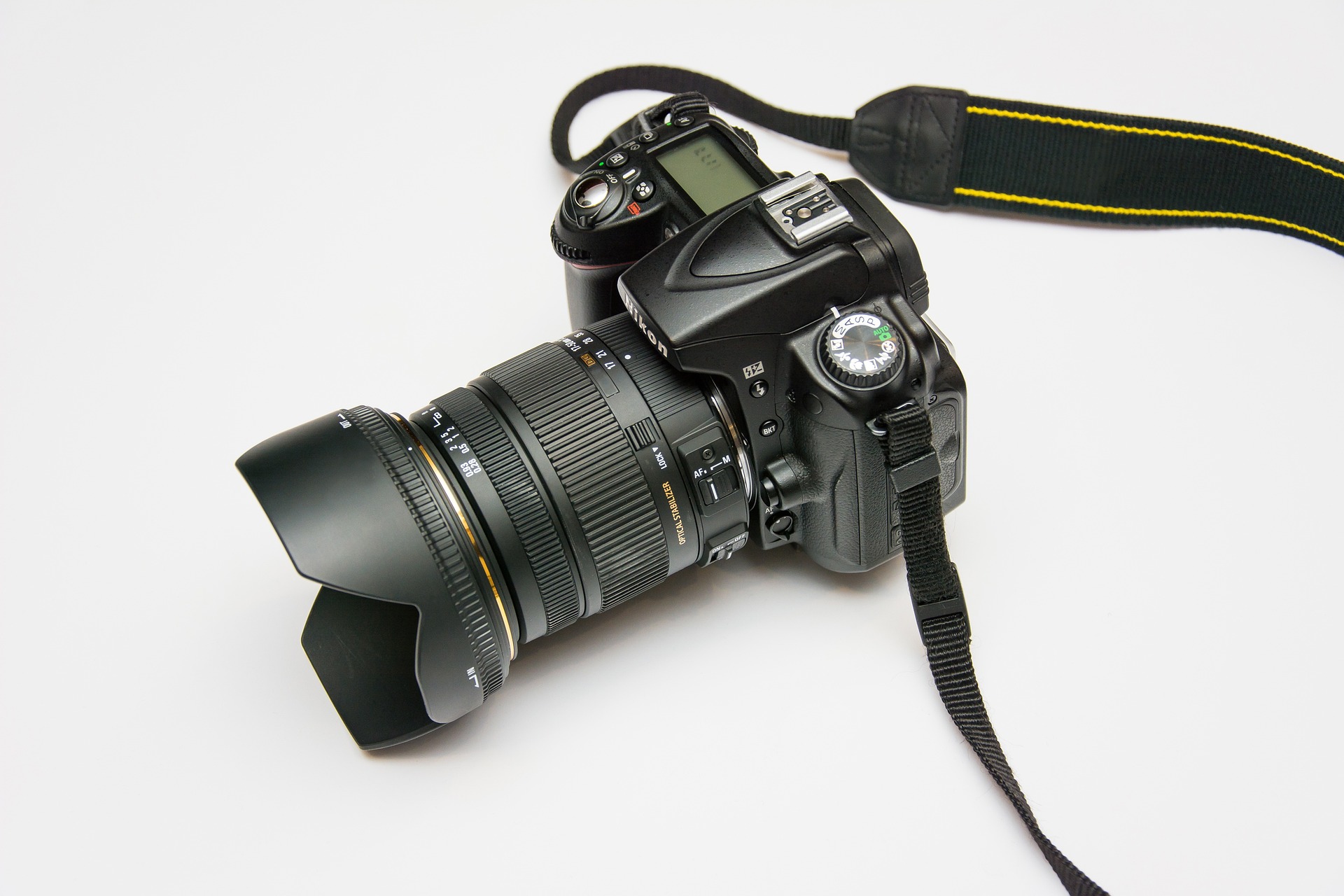
It seems that almost every month—or even every week—manufacturers release new digital cameras, each boasting the latest features designed to captivate potential buyers. But for consumers, this constant innovation can create confusion rather than excitement.
Imagine this scenario: after countless hours spent researching and saving up, you finally decide to purchase a cutting-edge digital camera—a 7-megapixel model with 10x optical zoom, up to 512MB expandable memory, sleek design, and vibrant color options. Armed with your hard-earned money and a sense of accomplishment, you head to the store. But just as you’re about to make your purchase, you notice a new model on display: an 8-megapixel camera with 1GB expandable memory, built-in microphone, stereo surround sound, video playback, and 22 scenic modes. Naturally, the manufacturer declares it the “best digital camera” on the market.
Suddenly, your original choice seems obsolete. Unable to resist the allure of the newest and best, you spend your savings—and perhaps swipe a credit card or two—to bring home the latest gadget. Yet, just two months later, another “best digital camera” hits the shelves, leaving you wondering: What truly makes a digital camera the best?
The truth is, finding the best digital camera isn’t about chasing the latest model or the most extravagant features. Instead, it requires a clear understanding of what you need and what features matter most to you. Here are the essential factors to consider when choosing a camera that truly fits your needs.
1. Megapixels: Image Resolution Matters
One of the key determinants of a camera’s quality is its megapixel count. A megapixel is equivalent to one million pixels, and it directly impacts the resolution of your images. The higher the megapixel count, the sharper and more detailed your photos will appear, especially when enlarged.
For example:
- A camera with 7 megapixels will produce clear and crisp images suitable for standard prints.
- An 8-megapixel camera offers even greater detail, making it ideal for large prints or cropping without losing quality.
If you intend to print your photos at larger sizes or need professional-quality images, prioritize cameras with higher megapixel counts. However, keep in mind that higher megapixels also consume more memory space.
2. LCD Screen Size: Frame and Review with Ease
The LCD screen on a digital camera plays a significant role in framing your shots and reviewing your images. A larger LCD screen allows for greater visibility, reducing the need to squint through a small viewfinder. Modern cameras even offer touch-screen functionality for on-the-spot editing and adjustments.
Here are the standard LCD screen sizes:
- 1.5-inch display: Basic and functional.
- 2-inch display: A good option for most users.
- 2.5-inch display or larger: Ideal for framing shots, reviewing images, and accessing camera menus with ease.
For an optimal experience, aim for a camera with at least a 2.5-inch LCD screen.
3. Zoom: Optical vs. Digital
When it comes to zoom, not all features are created equal. Digital cameras generally offer two types of zoom:
- Optical Zoom: Uses the camera’s lens to magnify the image, resulting in better quality and clarity.
- Digital Zoom: Magnifies the image digitally by cropping and enlarging it, which can lead to reduced quality and pixelation.
For the best results, prioritize optical zoom over digital zoom. Cameras with 3x to 10x optical zoom are ideal for most situations, but professional users may look for even higher optical zoom capabilities.
4. Memory Cards: Storage That Fits Your Needs
The type and capacity of your memory card are critical when selecting a digital camera. Different cameras are compatible with different memory card formats, such as:
- SD (Secure Digital)
- xD (Extreme Digital)
- CompactFlash
- Memory Stick
Choose a memory card that suits your storage needs. For example:
- 32MB: Suitable for casual users taking a limited number of photos.
- 512MB to 1GB: Ideal for frequent photographers or those capturing high-resolution images.
- 2GB or more: Perfect for photo enthusiasts or professionals who need ample storage for large files.
Always check your camera’s compatibility and consider purchasing an extra memory card to ensure you never run out of storage during important events.
5. Matching the Camera to Your Lifestyle
The best digital camera is not necessarily the most advanced or expensive model. Instead, it’s the one that aligns with your needs, preferences, and lifestyle. Ask yourself the following questions:
- Will you use the camera for casual family outings, travel, or professional photography?
- Do you need portability and convenience, or are you willing to carry heavier equipment for superior quality?
For example:
- Point-and-Shoot Cameras: Compact, lightweight, and user-friendly, making them ideal for family vacations, everyday use, and casual photography.
- DSLR Cameras: Offer superior image quality, interchangeable lenses, and advanced features, making them suitable for professional photographers or serious enthusiasts.
- Mirrorless Cameras: A hybrid option offering DSLR-like performance in a smaller, more portable package.
If you’re new to photography, a simple point-and-shoot camera may suffice. However, if you’re pursuing photography as a hobby or profession, investing in a DSLR or mirrorless camera will better serve your needs.
6. Enjoyment and Usability: The True Test of the Best Camera
Ultimately, the best digital camera is the one you will enjoy using regularly. A camera with countless features won’t do you any good if it sits unused in its box or collects dust in your attic. Before purchasing, consider the following:
- Is the camera easy to operate?
- Does it feel comfortable in your hands?
- Will you use it frequently for your intended purpose?
If you prioritize usability and enjoyment over the “latest and greatest” specifications, you’ll end up with a camera that brings value and joy to your life.
Conclusion: Find the Camera That Fits You
In a world where manufacturers constantly release new models claiming to be the “best digital camera,” it’s easy to get overwhelmed by marketing hype. Instead of chasing trends, focus on finding a camera that suits your needs, lifestyle, and skill level.
Whether you’re a casual user capturing family memories or an aspiring photographer exploring your creative potential, the right camera will empower you to take photos you love. Remember, the best digital camera is not defined by its price tag or specifications but by how well it aligns with you and your passion for photography.