
 By admin

Why Do Humans Breathe Oxygen and Not Other Gases?
Introduction
Breathing is one of the most fundamental processes that sustains human life. Every minute, our lungs draw in air, delivering the oxygen we need to fuel our bodies. Yet, air is not composed primarily of oxygen. In fact, about 78% of the air we breathe is nitrogen, while oxygen makes up only about 21%. The remaining 1% is a mix of gases such as argon, carbon dioxide, neon, and trace elements. This raises a fascinating question: why do humans rely specifically on oxygen to survive, instead of nitrogen or any of the other gases that are more abundant in the atmosphere?
The answer lies in the unique chemistry of oxygen, the evolutionary history of life on Earth, and the way our cells harness oxygen to produce energy. This article explores the scientific reasons behind our dependence on oxygen, why nitrogen cannot substitute for it despite its abundance, and how this choice shaped the evolution of life.
Composition of Air: Why Oxygen Is Special
The Atmospheric Mix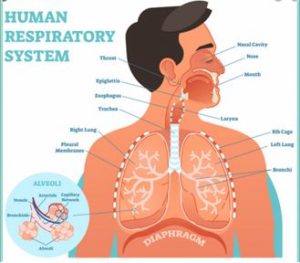
- Nitrogen (78%): Chemically stable, largely inert, does not readily participate in metabolic processes.
- Oxygen (21%): Highly reactive, essential for cellular respiration.
- Argon and Other Noble Gases (0.9%): Inert, biologically insignificant.
- Carbon Dioxide (~0.04%): Vital for plants but toxic to humans in high concentrations.
While nitrogen dominates the atmosphere, its stability makes it nearly useless for immediate biological energy extraction. Oxygen, on the other hand, is reactive and can readily accept electrons in chemical reactions—making it perfect for life’s energy system.
The Role of Oxygen in Human Biology
Cellular Respiration: Oxygen as the Final Electron Acceptor
At the cellular level, oxygen plays a critical role in cellular respiration, the process by which cells convert glucose into usable energy in the form of adenosine triphosphate (ATP).
- Glycolysis: Glucose is broken down into pyruvate, producing small amounts of ATP.
- Krebs Cycle (Citric Acid Cycle): Pyruvate is further broken down, releasing electrons.
- Electron Transport Chain (ETC): Oxygen accepts electrons at the end of the chain, allowing efficient ATP production.
Without oxygen, the electron transport chain stalls, dramatically reducing energy yield. That is why oxygen-dependent respiration (aerobic respiration) produces up to 36 ATP molecules per glucose, while fermentation without oxygen (anaerobic respiration) yields only about 2 ATP molecules.
Oxygen and Energy Efficiency
Humans are complex organisms requiring high levels of energy to power the brain, muscles, and vital organs. Oxygen provides a highly efficient energy system, allowing us to sustain complex life functions, long-distance movement, and advanced cognitive processes.
Why Not Nitrogen?
The Stability of Nitrogen Gas (N₂)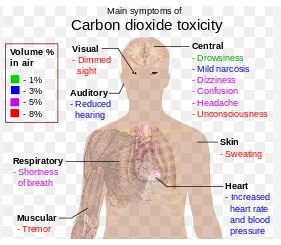
Nitrogen makes up the majority of air, but in its natural diatomic form (N₂), it is extremely stable due to a triple bond between the two nitrogen atoms. This stability makes it difficult for the body to use nitrogen in metabolism.
- Humans cannot break the nitrogen triple bond naturally.
- Nitrogen is not toxic in small amounts but is essentially inert in the human body.
- Specialized bacteria (nitrogen-fixing bacteria) can convert nitrogen into usable compounds like ammonia or nitrates—but humans cannot.
The Danger of Nitrogen Under Pressure
While nitrogen is inert under normal conditions, it can become dangerous under high pressure. Scuba divers, for example, can suffer from nitrogen narcosis when breathing compressed air underwater. Excess nitrogen dissolves in body tissues, leading to dizziness, confusion, or even unconsciousness.
Why Not Carbon Dioxide?
Carbon dioxide plays a crucial role in plant photosynthesis and maintaining Earth’s climate balance, but for humans it is a waste product.
- At low concentrations, CO₂ helps regulate breathing by signaling the brain to adjust respiratory rate.
- At high concentrations, CO₂ is toxic, leading to acidosis, unconsciousness, and death.
- Unlike oxygen, carbon dioxide cannot efficiently accept electrons in human cellular respiration.
Evolutionary Perspective: How Life Chose Oxygen
The Great Oxidation Event
Around 2.4 billion years ago, Earth’s atmosphere had little oxygen. Life consisted mainly of anaerobic microorganisms. The emergence of cyanobacteria changed everything—they evolved photosynthesis, releasing oxygen as a byproduct.
This led to the Great Oxidation Event (GOE):
- Oxygen accumulated in the atmosphere.
- Many anaerobic species went extinct due to oxygen’s toxicity.
- Survivors adapted, developing mechanisms to use oxygen for energy.
Oxygen as a Game-Changer in Evolution
Oxygen’s ability to release large amounts of energy during metabolism allowed organisms to:
- Grow larger and more complex.
- Develop specialized organs (e.g., brains, muscles).
- Support multicellular life.
In short, without oxygen, humans—and most advanced life forms—would not exist.
Oxygen and the Human Respiratory System
The Journey of Oxygen in the Body
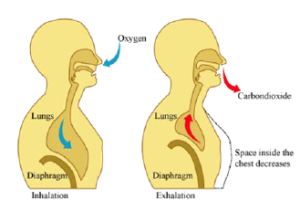
- Inhalation: Oxygen enters the lungs.
- Gas Exchange: Oxygen diffuses across alveoli into the bloodstream.
- Transport: Hemoglobin in red blood cells carries oxygen to tissues.
- Cellular Use: Oxygen enables ATP production in mitochondria.
- Exhalation: Carbon dioxide is expelled as waste.
Hemoglobin: The Oxygen Carrier
Hemoglobin molecules are specialized proteins that bind oxygen. Each hemoglobin can carry four oxygen molecules, releasing them where needed. This efficient system ensures oxygen delivery to all organs.
Modern Scientific Insights
Oxygen and the Brain
The human brain consumes about 20% of the body’s oxygen despite being only 2% of body mass. Without oxygen, brain cells begin to die within 4–6 minutes, highlighting oxygen’s critical role.
Oxygen in Medicine
- Oxygen therapy is used for patients with respiratory diseases.
- Hyperbaric oxygen chambers help in wound healing, decompression sickness, and certain infections.
- Monitoring blood oxygen saturation (SpO₂) is vital in critical care.
Oxygen and Longevity
Recent studies suggest that maintaining healthy oxygen levels supports longevity and reduces risks of chronic diseases. On the other hand, too much oxygen (hyperoxia) can cause oxidative stress, damaging cells.
Conclusion
Humans breathe oxygen—not nitrogen, carbon dioxide, or other gases—because of its unique chemical properties, evolutionary history, and critical role in energy production. Oxygen acts as the final electron acceptor in cellular respiration, enabling efficient ATP generation. Nitrogen, despite its abundance, is too inert for human metabolism, while carbon dioxide is toxic in high amounts. The reliance on oxygen shaped the evolution of complex life, powering the human brain, body, and civilization itself.
Understanding why we breathe oxygen is not just a matter of biology—it is a reminder of our deep connection to Earth’s atmosphere and the delicate balance that sustains life.
The Historical Legacy of Oxford