
 By admin

Understanding Blog RSS Feeds: A Modern Tool for Staying Updated
In today’s fast-paced digital landscape, staying informed about the latest content from your favorite websites can be overwhelming. This is where Really Simple Syndication (RSS) emerges as a powerful solution, simplifying the process of consuming and managing information. Whether you’re tracking news, blogs, or other updates, RSS feeds ensure you never miss crucial updates. This article delves into the significance of RSS feeds, their functionality, and why they remain a valuable tool in 2025.
What is RSS and How Does It Work?
At its core, RSS is an XML-based tool that continuously monitors websites for new content. When updates are detected, RSS transmits them to subscribers in the form of concise summaries or headlines. This process, known as syndication, allows users to access fresh content without manually visiting each website.
RSS feeds are particularly popular among blogs, news outlets, and content creators aiming to broadcast their updates efficiently. The feed typically includes a headline, a brief summary, and a link to the full article. This makes it easy for users to skim through updates and dive deeper into content that interests them.
The Role of Aggregators in RSS Feeds
To access RSS feeds, users need a feed reader, commonly known as an aggregator. Aggregators are platforms or software that collect and display RSS updates in a unified interface. Modern aggregators come in various forms, including:
- Web-based Aggregators: Accessible via web browsers, these platforms consolidate feeds into a single dashboard.
- Desktop Aggregators: Installed software that downloads and organizes RSS feeds on a user’s computer.
- Mobile Aggregators: Apps designed for smartphones, offering updates on the go.
- Email Integration: Some aggregators integrate with email clients, delivering updates directly to the inbox.
Popular aggregators today include Feedly, Inoreader, and NewsBlur, each offering unique features like feed categorization, offline reading, and custom notifications.
How to Subscribe to an RSS Feed
Subscribing to an RSS feed is straightforward. Most websites that offer RSS feeds display an “RSS” or “XML” icon, usually on their homepage. Clicking this icon either automatically adds the feed to your chosen aggregator or provides a URL that you can manually paste into the aggregator.
With modern advancements, subscribing to RSS feeds has become even more seamless. Some platforms now support browser extensions that detect RSS feeds automatically, eliminating the need for manual input.
RSS vs. Email Newsletters: A Modern Perspective
While email newsletters remain a popular method for receiving updates, RSS feeds offer distinct advantages:
- Immediate Updates: Unlike newsletters, which are typically scheduled, RSS feeds deliver updates as soon as they’re published.
- No Spam Filters: RSS feeds bypass email spam filters, ensuring that users never miss important updates.
- Selective Consumption: With RSS, users can quickly skim through updates and focus only on content that interests them, unlike emails that often require more effort to sift through.
In essence, RSS feeds cater to individuals who prioritize real-time information and streamlined consumption.
Why Should Websites Offer RSS Feeds?

For website owners and content creators, offering an RSS feed can significantly enhance audience engagement and traffic. Here’s why:
- Increased Visibility: By enabling syndication, you allow your audience to stay connected without actively visiting your site. This boosts visibility and encourages repeat engagement.
- Enhanced User Experience: Visitors no longer need to remember to check your site for updates. An RSS feed keeps them informed effortlessly.
- Traffic Generation: Although RSS feeds display summaries, they include links to the full content, driving traffic back to your site.
For instance, a blog that publishes monthly features can benefit immensely from RSS. Instead of relying on visitors to remember to check for updates, the blog can automatically notify subscribers, ensuring consistent readership.
Choosing the Right RSS Format
One of the complexities of RSS is the variety of formats available. Common formats include:
- RSS 1.0: Ideal for integration with Semantic Web systems, offering robust compatibility.
- RSS 2.0: Simple to create manually, making it a popular choice among individual bloggers and small businesses.
- Atom: An IETF standard known for its stability and wide community support.
The choice of format often boils down to personal preference and the specific needs of the website.
RSS in the Mobile Age
As mobile devices continue to dominate digital consumption, RSS has adapted to meet modern demands. Mobile aggregators now support offline reading, push notifications, and seamless synchronization across devices. This ensures that users can stay updated anytime, anywhere.
Additionally, some apps integrate RSS with other tools, such as social media platforms and productivity apps, offering a more holistic content management experience.
Is RSS Still Relevant in 2025?
Despite the rise of social media and email marketing, RSS remains a vital tool for many users. Its ad-free, privacy-focused, and customizable nature appeals to those seeking a more streamlined way to consume content. Moreover, with the increasing concerns over algorithms and data privacy on social platforms, RSS offers a refreshing alternative that puts users in control.
How to Optimize Your RSS Feed for Success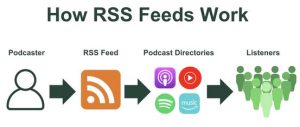
For content creators looking to maximize the potential of their RSS feed, consider the following tips:
- Clear Headlines: Ensure that your headlines are engaging and accurately reflect the content.
- Concise Summaries: Provide enough information to spark interest without giving away too much.
- Regular Updates: Consistency is key. Update your feed regularly to retain subscribers.
- Integrate Multimedia: Include images, videos, or audio clips to enhance the visual appeal of your feed.
- Promote Your Feed: Make your RSS feed easily accessible by displaying the icon prominently on your website and encouraging users to subscribe.
The Future of RSS
As technology evolves, RSS continues to adapt. Innovations such as AI-powered aggregators and integrations with smart home devices hint at a promising future. These advancements aim to make RSS more intuitive, efficient, and accessible to a broader audience.
Conclusion
RSS feeds remain a timeless solution for managing information in an era of content overload. Whether you’re a casual reader, a blogger, or a business owner, RSS offers unparalleled convenience, efficiency, and control. By embracing this tool, you can stay informed, engaged, and ahead of the curve.