
 By admin
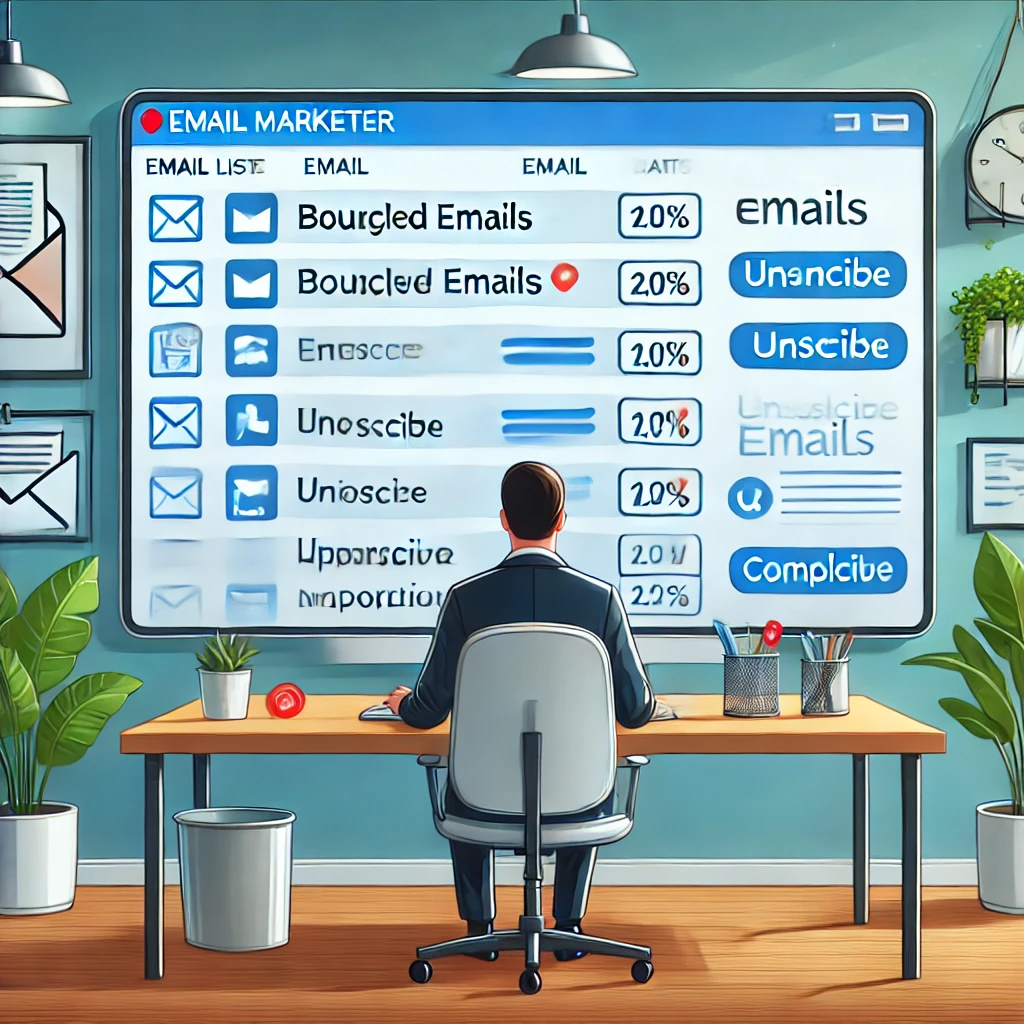
Building an opt-in email list is more than just sending newsletters or promotional catalogs to your subscribers. Managing a list requires careful attention to avoid complications and maintain positive engagement. While there are numerous ways to attract people to subscribe to your list, there are also critical practices you should follow to prevent subscribers from opting out. Moreover, it’s essential to stay compliant with regulations and avoid issues with your internet service provider (ISP).
With the rise of email as a cost-effective marketing tool, many businesses have embraced it—sometimes at the expense of overwhelming people with spam. However, an opt-in list ensures that subscribers have actively chosen to receive your communications. To maintain this trust, always include an easy-to-use unsubscribe feature to avoid misunderstandings. Mistaken subscriptions, where someone provides an email address that doesn’t belong to them, can occur, making it even more important to keep your list clean and organized.
Investing in the right tools and strategies for your opt-in list will pay off through increased reach, higher conversion rates, and improved profits. However, to preserve your reputation and ensure compliance, you must keep your email marketing efforts ethical and professional. Below are three crucial pitfalls to avoid when emailing your list:
1. Ignoring Unsuccessful Sends
Unsuccessful sends, or bounced emails, occur when messages fail to reach the recipient’s inbox. Bounces can happen for various reasons:
- Temporary Issues: These occur when a server is busy or a recipient’s inbox is full. The email may still be delivered later.
- Permanent Issues: These occur when an email address is invalid, misspelled, or no longer active.
To maintain a clean and accurate list, track and address bounced emails:
- Mark emails that consistently bounce and remove them from your list.
- Double-check email addresses for common errors, such as typing “.con” instead of “.com.”
By managing your list effectively, you ensure your emails reach the right audience, improving engagement and data accuracy.
2. Failing to Provide an Unsubscribe Option
Always include an unsubscribe link in every email and a clear unsubscribe feature on your website. If someone requests to be removed from your list, process the request promptly. Continuing to send emails to unsubscribed individuals turns your communications into spam, which can lead to significant consequences:
- Reputation Damage: Being labeled a spammer can harm your credibility.
- Legal Issues: Many jurisdictions have strict anti-spam laws, such as the CAN-SPAM Act in the United States.
- ISP Blacklisting: Your emails may be blocked, reducing your ability to reach current and potential subscribers.
Respecting unsubscribe requests is essential to maintaining trust and staying compliant with regulations.
3. Sharing Inappropriate Content
The content of your emails reflects your brand and directly impacts your subscribers’ perception of your business. Avoid sending:
- Pornographic or Offensive Material: These types of content can lead to complaints, damage your reputation, and alienate your audience.
- Shocking or Disturbing Content: Such material may be unsuitable for all recipients and can result in backlash.
- Controversial Topics: Content that is overly divisive can harm your relationship with subscribers.
Focus on content that aligns with your business’s mission and values. Deliver value-driven, relevant, and appropriate material to foster trust and engagement.
Conclusion
By following these guidelines, you can maintain a strong and ethical relationship with your subscribers. Managing bounced emails, respecting unsubscribe requests, and delivering appropriate content are essential steps to staying compliant and preserving your brand’s reputation. A well-maintained opt-in list not only enhances your marketing effectiveness but also ensures your business operates within legal and ethical boundaries.