
 By admin
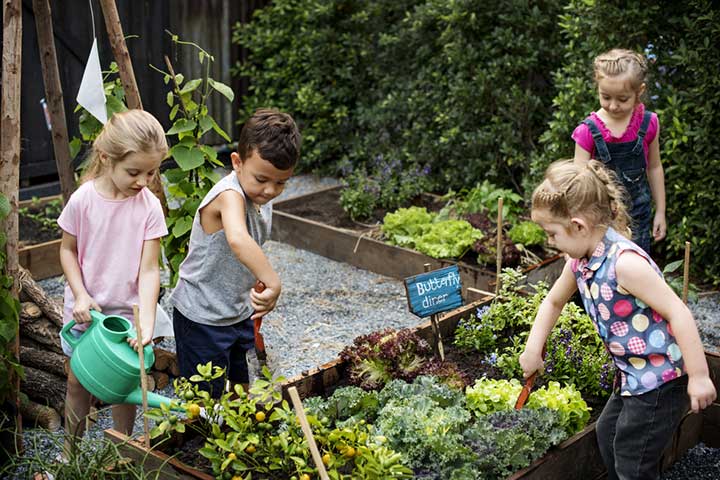
Introduction: Planting Seeds for a Healthier Future
In today’s digital age, children are growing up surrounded by screens and increasingly disconnected from nature. At the same time, the environmental challenges facing the planet have never been more urgent. Encouraging children to engage with the natural world from an early age is not only a way to foster environmental awareness, but also a means of promoting physical, emotional, and cognitive development. One of the most impactful, enjoyable, and accessible ways to do this is through gardening.
Gardening offers children the opportunity to dig, explore, observe, and create while learning valuable life lessons and developing essential skills. From nurturing responsibility to enhancing scientific understanding, gardening provides a rich, hands-on experience that benefits children’s overall development. This article explores the many advantages of gardening for kids and explains why it’s a habit worth cultivating—literally and figuratively.
1. Educational Growth: Gardening as a Natural Classroom
1.1 Introducing Science Through Nature
Gardening offers an ideal opportunity to introduce children to scientific concepts in a tangible and engaging way. Through planting, watering, and observing, kids learn about plant biology, photosynthesis, pollination, soil composition, and ecology. They witness firsthand how seeds sprout, flowers bloom, and ecosystems interact.
For instance, tracking the growth of a sunflower from seed to bloom teaches children about the plant life cycle, environmental factors like sunlight and water, and the importance of soil health. Activities such as composting and observing worms or insects further deepen their understanding of sustainability and biodiversity.
1.2 Hands-On STEM Learning
Gardening naturally integrates STEM (Science, Technology, Engineering, and Math) concepts. Measuring plant growth, calculating watering schedules, and even building garden beds or trellises all involve critical thinking, problem-solving, and mathematical skills. These practical applications strengthen cognitive development while making learning fun and memorable.
2. Life Skills and Emotional Development
2.1 Cultivating Responsibility and Patience
Gardening instills a sense of responsibility in children. Plants require daily care, attention, and time to flourish. When children take charge of watering, weeding, and monitoring growth, they learn accountability and the importance of consistency.
In today’s fast-paced world, gardening slows things down. Kids begin to understand that not everything happens instantly—plants need time to grow, bloom, and bear fruit. This process helps teach patience and perseverance, critical life skills often underdeveloped in an age of instant gratification.
2.2 Emotional Intelligence and Empathy
As kids care for their plants, they begin to form emotional bonds with them. They become invested in their garden’s success, learning empathy and how their actions impact other living things. Observing the consequences of neglect (like wilting plants) versus consistent care provides clear life lessons about the value of nurturing relationships and responsibilities.
3. Mental and Physical Health Benefits
3.1 Stress Reduction and Mindfulness
Numerous studies have shown that spending time in nature reduces stress, anxiety, and symptoms of depression. Gardening, in particular, fosters mindfulness—a focus on the present moment—as children tune into the sounds of birds, the smell of soil, and the feel of leaves and petals.
The sensory-rich experience of gardening activates all five senses and serves as a form of eco-therapy, especially beneficial for children facing emotional challenges or trauma. For children on the autism spectrum or those with ADHD, gardening can be a calming and centering activity.
3.2 Physical Activity and Motor Skills
Gardening also promotes physical fitness. Tasks like digging, raking, lifting pots, and watering plants involve full-body movement that helps improve coordination, balance, and motor skills. Unlike sedentary indoor activities, gardening gets children outside and moving, reducing the risk of obesity and promoting a healthy lifestyle.
4. Environmental Awareness and Eco-Consciousness
4.1 Understanding Ecosystems and Sustainability
Through gardening, children develop a deeper connection to the natural world. They begin to recognize the interconnectedness of ecosystems—how bees pollinate flowers, how worms aerate the soil, and how weather patterns influence plant growth.
This hands-on learning fosters environmental stewardship. Children become more conscious of where their food comes from, how waste impacts the environment, and why protecting nature matters. Concepts like composting, organic gardening, and rainwater harvesting can be introduced in age-appropriate ways, building eco-conscious habits early.
4.2 Reducing Screen Time and Digital Dependence
Modern childhood is often defined by screen time, which can lead to social isolation, poor sleep, and cognitive issues. Gardening provides a screen-free alternative that captivates a child’s imagination and keeps them engaged in the real world. Whether it’s discovering a ladybug or planting a new flower, gardening invites curiosity, exploration, and wonder—no Wi-Fi required.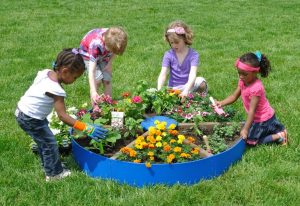
5. Strengthening Family Bonds and Community Connections
5.1 Quality Time with Parents and Siblings
Gardening is an activity that families can enjoy together. Working side-by-side in the garden provides a relaxed atmosphere for conversation, collaboration, and bonding. Parents and children can share stories, teach lessons, and make memories—whether planting a vegetable patch or designing a flower bed.
These shared experiences strengthen family ties, foster trust, and promote communication. It’s a chance to unplug from digital devices and plug into each other’s lives.
5.2 Building Community Gardens and Social Skills
Community gardening projects offer children the chance to interact with others, make friends, and develop social and teamwork skills. Participating in school or neighborhood gardens allows kids to take pride in their contributions, learn cooperation, and see the impact of collective effort.
They also begin to understand broader social issues like food insecurity, sustainability, and urban greening. Being part of a community garden teaches children that even small actions—like planting a seed—can lead to positive change.
6. Fostering Creativity and Self-Expression
6.1 Designing and Decorating
Gardening isn’t just about science and sustainability—it’s also an artistic outlet. Children can design their own garden layouts, paint plant pots, or create garden markers. They might arrange colors, textures, and shapes to create visually pleasing spaces, expressing themselves in unique ways.
This kind of creative freedom boosts confidence and encourages innovation. Kids can experiment with different plants, seasonal themes, and DIY garden projects, making the garden truly their own.
Conclusion: Growing More Than Just Plants
Gardening is far more than a hobby—it’s a holistic educational experience that nurtures children’s minds, bodies, and spirits. By encouraging kids to dig into the dirt and grow something with their own hands, we plant the seeds for a lifetime of learning, compassion, and environmental responsibility.
Whether it’s a backyard garden, a windowsill herb pot, or a schoolyard plot, giving children access to gardening helps them thrive in more ways than one. In a world increasingly disconnected from nature, gardens offer a return to balance, beauty, and the basics of life.
Why is Child Development So Important in the Early Years