
 By admin
Introduction: The Promise and Reality of Fitness Equipment
Everywhere you look today — from television commercials to social media ads — you’re bombarded with offers for the latest “revolutionary” exercise equipment. Sleek treadmills, compact home gyms, high-tech stationary bikes, and even “smart” yoga mats claim to transform your body in just a few minutes a day. The message is tempting: buy this machine, and fitness becomes easy.
But as millions have discovered, not all exercise equipment lives up to the hype. The path to real health and fitness requires knowledge, consistency, and the right tools for your unique goals.
Choosing quality exercise equipment is not about following trends — it’s about making informed decisions that match your fitness level, lifestyle, and budget. In this comprehensive guide, we’ll explore how to select the best equipment for your needs, the benefits of various options, and how to use them safely and effectively.
1. Understanding the Fitness Equipment Market
1.1 The Rise of Home Fitness
The home fitness market has exploded since the pandemic, with more people choosing to work out in the comfort and privacy of their homes. Global fitness equipment sales have surpassed $15 billion annually, with new innovations emerging each year — from AI-powered rowing machines to virtual reality workouts.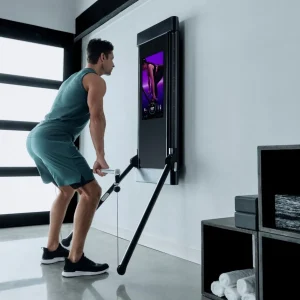
1.2 Marketing vs. Reality
Fitness brands often promise “quick results” with minimal effort. However, genuine progress still requires dedication and proper use of the equipment. When evaluating an exercise machine, focus less on the marketing promises and more on the product’s build quality, ergonomic design, and compatibility with your goals.
2. The Foundation: Cardio Equipment That Delivers
2.1 Treadmills: A Classic Choice
Treadmills remain one of the most popular pieces of exercise equipment, and for good reason. They provide an effective cardiovascular workout that improves heart health, lung capacity, and endurance.
Benefits of using a treadmill:
- Adjustable intensity: You can control speed and incline for a tailored workout.
- Convenience: Perfect for people who prefer exercising indoors.
- Progress tracking: Modern models offer digital tracking for distance, calories burned, and heart rate.
Safety tip: Always monitor your heart rate. A good rule is to maintain a pace where you can speak comfortably. If you’re gasping for air, slow down. Gradual progress prevents injuries and overexertion.
2.2 Stationary Bikes and Ellipticals
If joint impact is a concern, stationary bikes or elliptical machines provide excellent low-impact alternatives.
Key advantages:
- Ideal for people with knee or hip issues.
- Enhances leg strength and cardiovascular health.
- Compact models are great for small spaces.
Many modern versions come with app connectivity, allowing users to simulate outdoor cycling or follow guided workouts — turning a simple exercise into an immersive experience.
3. Strength and Resistance Training Equipment
3.1 Free Weights vs. Machines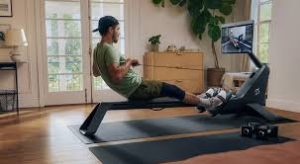
When it comes to building muscle, the debate between free weights (like dumbbells and barbells) and resistance machines continues.
Free weights improve balance, coordination, and core strength, as your body stabilizes each movement.
Resistance machines, on the other hand, are safer for beginners and isolate specific muscles for targeted growth.
Tip: Combining both can provide a well-rounded workout — machines for control, and free weights for functional strength.
3.2 Resistance Bands: Small but Mighty
Resistance bands are among the most affordable and versatile tools available. They are lightweight, portable, and perfect for people who travel or have limited space.
Benefits include:
- Enhanced muscle tone and flexibility.
- Suitable for all fitness levels.
- Can be used for full-body workouts or rehabilitation exercises.
3.3 Kettlebells and Medicine Balls
Kettlebell workouts have gained massive popularity due to their efficiency in burning fat while building strength. Similarly, medicine balls add variety and core engagement to strength training routines.
Popular exercises:
- Kettlebell swings for power and endurance.
- Medicine ball slams for explosive strength.
- Rotational exercises for better balance and agility.
4. Functional and Core Equipment
4.1 The Exercise Ball
An exercise ball — or stability ball — is a simple yet powerful piece of equipment that enhances core strength and flexibility.
Uses include:
- Improving posture and balance.
- Strengthening abdominal and back muscles.
- Serving as a platform for push-ups, crunches, or stretching routines.
Choose a ball that matches your height. Typically, when you sit on it, your knees should be at a 90-degree angle.
4.2 Yoga and Pilates Essentials
Yoga and Pilates continue to dominate wellness routines for their physical and mental benefits. Their basic equipment list includes:
- Yoga mats: Provide cushioning and stability.
- Blocks and straps: Help maintain proper alignment during challenging poses.
- Foam rollers: Aid in recovery and muscle relaxation.
Whether you prefer a calming yoga session or an intense Pilates workout, investing in quality gear enhances comfort, hygiene, and performance.
5. High-Tech Fitness: The Future of Exercise Equipment
5.1 Smart Equipment and Connectivity
Modern fitness technology is revolutionizing how we exercise. Smart treadmills, mirrors, and bikes now connect to apps and track real-time data such as heart rate, calories burned, and even posture.
Examples include:
- Peloton bikes: Offering live and on-demand classes.
- Mirror and Tonal systems: Bringing virtual trainers into your living room.
- Wearables: Smartwatches and fitness trackers that monitor progress and recovery.
These innovations provide motivation, accountability, and professional-level guidance without leaving home.
5.2 Virtual and AI-Driven Workouts
Artificial intelligence now personalizes exercise programs based on your body’s responses. Using sensors and motion tracking, AI-powered platforms adjust difficulty levels, recommend recovery times, and ensure proper form — reducing the risk of injury.
6. Choosing Quality Equipment: What to Look For
6.1 Build Quality and Durability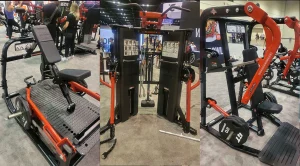
Always check the material, weight capacity, and warranty of any machine. A well-built treadmill or bike should feel stable and operate smoothly. Avoid flimsy or overly cheap models that wear out quickly or compromise safety.
6.2 Comfort and Ergonomics
Comfort plays a huge role in maintaining consistency. Adjustable settings, cushioned handles, and user-friendly interfaces make workouts more enjoyable and sustainable over time.
6.3 Reviews and Expert Recommendations
Before making a purchase, read professional reviews and user feedback. Look for certifications from reputable organizations, such as ISO or ASTM, which guarantee equipment safety and performance.
6.4 Budget and Long-Term Value
Buying exercise equipment is an investment in your health. Sometimes, spending a bit more upfront saves money in the long run by avoiding repairs or replacements. Consider financing options or refurbished models from trusted sellers.
7. Designing Your Home Gym
7.1 Assess Your Space
Measure your available area before purchasing any large equipment. Compact or foldable models can help maximize smaller spaces like apartments.
7.2 Create a Motivating Environment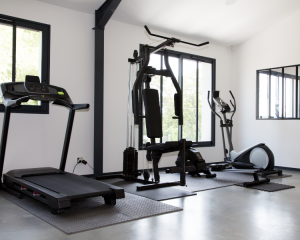
A clean, well-lit, and organized workout area encourages consistency. Add mirrors, music, or a smart display to simulate a gym atmosphere.
7.3 Safety and Maintenance
Regularly inspect cables, belts, and bolts. Keep equipment clean and lubricated as per the manufacturer’s instructions. Proper maintenance extends its lifespan and ensures user safety.
8. Staying Motivated with Your Equipment
8.1 Setting Realistic Goals
Don’t expect overnight results. Sustainable fitness comes from gradual improvement. Set short-term milestones — like walking an extra mile or lifting slightly heavier weights each week — to stay motivated.
8.2 Tracking Progress
Use apps or fitness journals to record your workouts. Seeing your progress visually reinforces consistency and determination.
8.3 Combining Equipment and Routine
Mix up your workouts to prevent boredom. Alternate between cardio, strength, and flexibility training to challenge your body and maximize overall results.
Conclusion: Invest Wisely, Train Smart
Choosing quality exercise equipment is not just about owning the latest gadget — it’s about finding tools that support your fitness journey safely and effectively. Whether it’s a durable treadmill, a versatile set of resistance bands, or an advanced smart mirror, the best equipment aligns with your goals, lifestyle, and budget.
When chosen thoughtfully and used consistently, good equipment becomes more than a purchase — it becomes a partner in your long-term health and vitality. Remember, the real power lies not in the machine itself, but in your dedication to using it.
12 Proven Secrets to Gaining Muscle Mass Fast