
 By admin
Introduction: Dive into a New World of Photography
Photography has evolved far beyond the land. With the right equipment, you can now capture the mysterious beauty of the ocean, from vibrant coral reefs to curious marine creatures. Underwater photography isn’t just for marine biologists or professional divers—it’s also a thrilling experience for casual photographers and travel enthusiasts who want to preserve their underwater adventures. With the rise of underwater digital cameras and innovative waterproof technologies, taking high-quality pictures beneath the surface is more accessible than ever.
This article explores everything you need to know about underwater digital photography—from camera types and accessories to shooting tips and maintenance. Whether you’re snorkeling in shallow lagoons or diving into deep ocean waters, we’ll help you make the most of your underwater digital camera.
Choosing the Right Underwater Digital Camera
1. Understanding the Basics of Underwater Cameras
While many modern cameras claim to be waterproof, not all are designed for actual underwater photography. Waterproof typically means the device can survive splashes or brief submersion. Underwater photography, on the other hand, demands specialized gear that can handle water pressure and prevent leaks.
There are two main options:
-
Dedicated Underwater Digital Cameras: Designed specifically for underwater use, these cameras feature water-sealed components, corrosion-resistant materials, and built-in settings tailored for submerged environments.
-
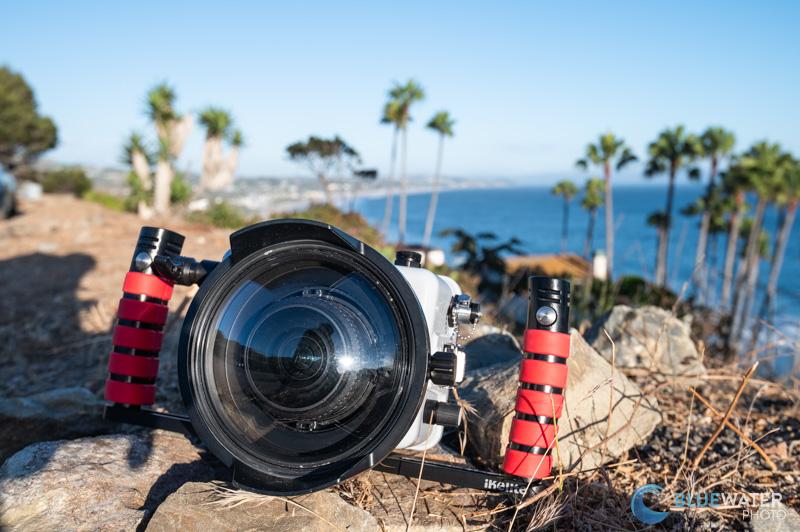
Underwater Housings for Conventional Cameras: These robust, water-tight cases convert regular DSLRs or mirrorless cameras into underwater-ready devices. They’re perfect for serious photographers who want to use their high-end gear below the surface.
2. Key Features to Look For
When selecting an underwater digital camera or housing, consider these essential features:
-
Depth Rating: Make sure your camera or housing is rated for the depths you plan to explore. Recreational snorkelers may only need 10–15 meters, while divers may require 30 meters or more.
-
Image Quality: Look for cameras with high-resolution sensors (12 MP or more), good ISO performance, and RAW format support for post-editing.
-
Manual Controls: For flexibility in tricky lighting, cameras with manual exposure settings give better creative control.
-
External Flash Support: Built-in flashes often cause “backscatter”—light reflecting off particles in the water. External strobes reduce this and provide better lighting.
-
Lens Options: Macro lenses are great for capturing tiny sea life, while wide-angle lenses help photograph large reefs and marine animals.
Essential Accessories for Underwater Photography
1. Underwater Housing
Even the most advanced digital cameras need proper housing for underwater use. Always test the case before diving—seal it without the camera, submerge it in a sink or tub, and check for leaks.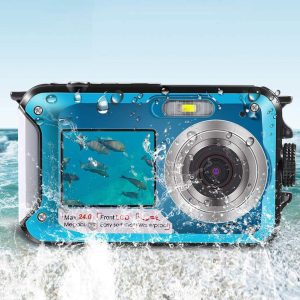
2. Silica Gel Packs
Humidity and temperature changes can cause condensation inside your housing. Silica gel packs absorb moisture and help keep your camera dry. Just make sure they don’t interfere with camera functions.
3. External Lighting
Natural light diminishes quickly underwater, especially red tones, which disappear around five meters deep. External strobes or video lights help restore colors and brighten your subjects.
4. Floating Straps and Tethers
Prevent losing your gear in strong currents by securing it with floatation straps or wrist tethers. Some housings come with mounting options for additional security.
Tips for Capturing Stunning Underwater Images
1. Master the Lighting
Light behaves differently underwater. As you go deeper, colors fade and shadows increase. Here’s how to overcome this:
-
Use White Balance Settings: Adjust your white balance manually to correct color shifts and bring back the blues, reds, and yellows.
-
Avoid Using Built-in Flash Alone: It often creates glare and floating white spots (backscatter). Use external strobes placed away from the lens.
2. Get Close to Your Subject
Water reduces contrast and clarity. To get sharp, vibrant photos, move as close as possible to your subject—ideally within 1–2 meters.
3. Steady Your Shots
Movement and currents can cause blur. Maintain neutral buoyancy and use slow, controlled motions. Consider using a tray with dual handles for better stability.
4. Choose the Right Time of Day
Mid-morning and early afternoon offer the best lighting conditions. Sunlight at these times penetrates deeper and provides more natural illumination.
Maintaining and Protecting Your Underwater Camera
1. Pre-Dive Inspection
-
Always double-check the O-ring seals for debris like sand or hair.
-
Clean and lubricate the O-rings as recommended by the manufacturer.
-
Ensure your camera is properly locked into the housing before diving.
2. Post-Dive Care
-
Rinse your camera and housing in fresh water immediately after use, especially after saltwater dives.
-
Avoid drying the camera with a towel as it might push salt crystals into seals. Let it air dry or rinse thoroughly under gentle streams.
-
Periodically open the housing to remove and inspect internal components.
3. Storage Tips
Store your underwater gear in a cool, dry place. Leave the housing slightly open to prevent pressure buildup and deformation of seals.
Recommended Brands and Equipment
Many reputable brands now offer underwater photography solutions. Here are a few worth exploring:
-
Canon: Offers rugged compact cameras like the PowerShot D series and underwater housings for DSLRs and mirrorless cameras.
-
Nikon: The COOLPIX W300 is a favorite for casual divers, while Nikon DSLR housings cater to professionals.
-
Sony: Their RX100 series with underwater housing is a top pick for high-quality compact underwater photography.
-
Olympus Tough Series: Known for durability and exceptional image quality with built-in waterproofing.
For high-end needs, explore brands like SeaLife, Ikelite, Nauticam, and Fantasea—they specialize in underwater housings and lighting systems.
Conclusion: Make Every Dive Memorable
Underwater photography is a unique and fulfilling way to explore and document the hidden wonders of the ocean. With the right underwater digital camera, protective gear, and shooting techniques, even hobbyists can take breathtaking images beneath the waves. Whether you’re capturing playful dolphins, mysterious shipwrecks, or the colorful life of coral reefs, investing in the right gear and knowledge can turn your next dive into a visual masterpiece.
So, gear up, dive in, and bring home more than memories—bring back the magic of the underwater world.
Why Time Is Different Across Countries?