
 By admin

Introduction: The Surprising Secret of the Atkins Diet
One of the most fascinating aspects of the Atkins diet is its ability to reduce appetite naturally. Unlike many traditional low-calorie or low-fat diets that leave followers battling constant hunger, Atkins dieters often report feeling satisfied and free from the constant urge to snack. This effect—appetite suppression—is one of the primary reasons people are able to stick to the plan and experience long-term weight loss.
But what exactly makes the Atkins diet so effective at curbing hunger? The answer lies in the strategic combination of high protein intake, healthy fats, and low carbohydrate consumption. This unique nutritional balance influences hormones, blood sugar levels, and brain chemistry to help control cravings and promote a steady sense of fullness.
In this article, we’ll explore the science behind appetite suppression in the Atkins diet, the specific foods that play a role, and why this eating plan has remained one of the most successful low-carb approaches in the world.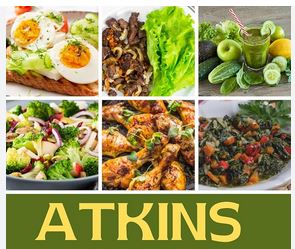
The Core of the Atkins Approach: Balancing Macronutrients
1. The Power of Protein
Protein is the cornerstone of the Atkins diet and one of the most significant contributors to appetite control. Unlike carbohydrates, which are digested quickly and can cause spikes and crashes in blood sugar, protein is digested more slowly, providing a longer-lasting sense of satisfaction.
When you eat a protein-rich meal—such as eggs, chicken, or fish—your body produces hormones like peptide YY (PYY) and glucagon-like peptide-1 (GLP-1). These hormones send signals to the brain that you are full, reducing the desire to continue eating. Protein also helps regulate ghrelin, the hormone responsible for hunger.
In contrast, a meal high in refined carbohydrates causes a quick rise in blood sugar, followed by a sharp drop that triggers renewed hunger and cravings. The Atkins diet eliminates this rollercoaster effect by replacing fast-burning carbs with slow-digesting proteins and fats.
2. Healthy Fats as Appetite Stabilizers
Contrary to popular belief, fats don’t make you fat—they help you stay full. The Atkins diet encourages the consumption of healthy fats such as olive oil, avocados, nuts, and fatty fish. These fats slow digestion, enhance nutrient absorption, and support hormonal balance, which collectively reduce hunger.
When fat is combined with protein, the result is a meal that sustains energy levels and prevents the desire to snack between meals. This combination keeps insulin levels low and stable, minimizing blood sugar fluctuations that trigger appetite.
The Role of Specific Foods in Appetite Suppression
1. Eggs: Nature’s Perfect Appetite Suppressant
Eggs are one of the most powerful foods for appetite control on the Atkins plan. They are rich in protein, containing about 6 grams per egg, and include essential nutrients like choline, lutein, and zeaxanthin that support brain and eye health.
A landmark study compared two groups of women: one ate eggs for breakfast, while the other had bagels and cream cheese. Both breakfasts had equal calorie counts. However, the group that ate eggs reported feeling fuller throughout the day and consumed fewer calories at lunch and dinner.
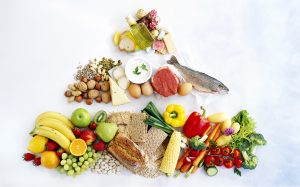
This demonstrates how protein-rich foods like eggs stabilize blood sugar, reduce hunger, and help control overall calorie intake. Moreover, eggs offer added benefits such as supporting cognitive function and protecting eye health—making them a nutritional powerhouse in the Atkins diet.
2. Vegetables that Fill You Up: Broccoli and Cauliflower
Vegetables play an essential role in the Atkins plan, especially low-carb, high-fiber vegetables like broccoli and cauliflower. These vegetables are bulky yet low in calories, helping to create a feeling of fullness in the stomach.
When your stomach senses volume—regardless of the calorie content—it triggers stretch receptors that send signals to the brain to reduce appetite. This means that high-fiber, water-rich foods can help you feel full without overeating.
Additionally, broccoli and cauliflower contain cruciferous compounds that support digestion and detoxification, as well as vitamins and minerals that improve metabolic function. Including these vegetables in meals enhances satiety while keeping your nutrient intake balanced.
3. Fiber and Hydration: The Unsung Heroes
While protein and fats get much of the spotlight, fiber and hydration also play crucial roles in appetite suppression. Psyllium husk fiber, for instance, expands in the stomach and slows digestion, leading to prolonged feelings of fullness.
Drinking plenty of water before and during meals can have a similar effect. Research shows that people who drink a glass or two of water before eating tend to consume fewer calories. On the Atkins diet, fiber-rich vegetables combined with proper hydration maximize fullness without adding unnecessary calories or carbs.
Blood Sugar Control and Appetite Regulation
1. Breaking the Carbohydrate Addiction Cycle
One of the biggest challenges people face before starting Atkins is carbohydrate addiction. When you eat refined carbs—like bread, pasta, or sugary snacks—your blood sugar spikes rapidly. The pancreas responds by releasing insulin to lower blood sugar, but this often leads to a sharp crash, triggering renewed hunger and cravings for more carbs.
This vicious cycle keeps many people trapped in patterns of overeating and weight gain. The Atkins diet breaks this cycle by drastically reducing carbohydrate intake. By stabilizing blood sugar and insulin levels, the body no longer experiences those sharp highs and lows that drive hunger.
2. Ketosis and Its Role in Appetite Suppression
A key feature of the Atkins diet is ketosis, a metabolic state in which the body burns fat for energy instead of carbohydrates. When carbohydrate intake is limited, the liver produces ketones, which serve as an alternative fuel source for the brain and muscles.
Ketones have been shown to naturally reduce hunger hormones and promote feelings of well-being and steady energy. Many people on Atkins report experiencing a clear mental focus, stable moods, and little desire for snacks once they reach ketosis. This physiological shift is one of the main reasons the Atkins plan is so effective at suppressing appetite.
Practical Eating Habits That Reinforce Satiety
1. Small, Frequent Meals
The Atkins diet encourages eating small, protein-balanced meals throughout the day. This approach keeps blood sugar stable and prevents energy crashes that trigger hunger. Each meal typically includes a source of protein, a serving of healthy fat, and low-carb vegetables.
For example:
- Breakfast: Eggs with spinach and avocado
- Lunch: Grilled chicken salad with olive oil dressing
- Dinner: Salmon with broccoli and cauliflower mash
These balanced meals prevent overeating and maintain a steady level of fullness all day long.
2. Mindful Eating and Portion Awareness
In addition to food selection, how you eat also matters. Slowing down during meals allows your body’s satiety signals to catch up, reducing the chance of overeating. The Atkins approach promotes mindfulness—eating until satisfied, not stuffed.
Being aware of portion sizes and chewing thoroughly enhances digestion and makes it easier to recognize when you are truly full.
Scientific Support for Appetite Control on Atkins
Numerous studies support the idea that low-carbohydrate, high-protein diets like Atkins are more effective at reducing appetite than traditional low-fat diets.
- A 2018 study published in Nutrition & Metabolism found that participants on a low-carb diet consumed significantly fewer calories overall compared to those on a low-fat diet, despite not being asked to restrict calories.
- Another study from The American Journal of Clinical Nutrition showed that individuals following a ketogenic or low-carb diet had lower ghrelin levels and reported feeling more satisfied after meals.
This growing body of evidence confirms that the Atkins diet’s appetite-suppressing effect is not just anecdotal—it is backed by science.
The Psychological Benefit: Freedom from Cravings
One of the most powerful transformations people experience on Atkins is psychological. For many, dieting means fighting constant temptation and restriction. The Atkins diet changes that dynamic by eliminating the foods that trigger cravings and replacing them with satisfying, nutrient-dense alternatives.
As the body adapts to fat-burning and stable blood sugar, the mental fog, irritability, and fatigue associated with hunger disappear. This renewed mental clarity and consistent energy make it easier to stick to healthy habits long-term.
Conclusion: A Smarter Way to Feel Full and Lose Weight
The Atkins diet stands out not only for its effectiveness in promoting weight loss but also for its unique ability to suppress appetite naturally. By prioritizing protein, healthy fats, and low-carb vegetables, the diet helps stabilize blood sugar, control hunger hormones, and break the addictive cycle of carbohydrate cravings.
Whether your goal is to lose weight, maintain steady energy, or simply gain control over your eating habits, the science-backed principles of Atkins offer a sustainable and satisfying approach. Appetite suppression isn’t about deprivation—it’s about eating smarter, not less.
10 Small Steps to Improve Your Health