
 By admin

Introduction: The Key Role of Diet in Colon Health
Colon health is crucial to the overall functioning of the digestive system and has a direct impact on immune function, nutrient absorption, and long-term well-being. In recent years, medical research has increasingly focused on the importance of gut health, particularly how dietary choices can influence the risk of developing colon-related conditions such as irritable bowel syndrome (IBS), diverticulitis, and even colorectal cancer. While much attention is given to the foods one should avoid—like processed meats and refined sugars—it is equally important to highlight the foods that actively promote a healthy colon.
In this article, we explore five nutrient-dense foods scientifically proven to support colon health. These foods—avocados, berries, yogurt, nuts, and legumes—provide anti-inflammatory properties, essential fibers, probiotics, and healthy fats. Incorporating them into your daily diet may not only improve digestion but also lower inflammation, regulate bowel movements, and reduce your risk of serious gastrointestinal diseases.
Understanding Colon Health: Why It Matters
What Is the Colon’s Function?
The colon, or large intestine, plays a key role in the digestive system. It absorbs water and electrolytes from indigestible food matter and processes waste for elimination. A well-functioning colon supports:
-
Efficient digestion
-
Proper hydration
-
Regular bowel movements
-
Healthy gut microbiota
-
Toxin elimination
When colon health deteriorates due to poor diet or lifestyle, symptoms such as bloating, constipation, diarrhea, and increased inflammation can occur. Over time, these issues may lead to more severe problems including colon cancer.
Common Colon Health Issues
-
Irritable Bowel Syndrome (IBS)
-
Inflammatory Bowel Disease (IBD)
-
Diverticulitis
-
Colorectal cancer
-
Polyps and ulcers
Preventative care, especially through diet, can significantly reduce the risk and severity of these conditions.
1. Avocados: A Fiber-Rich Anti-Inflammatory Superfood
Nutritional Highlights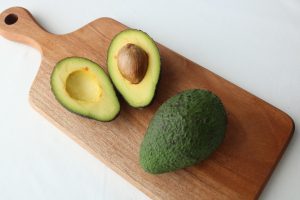
Avocados are a powerhouse of both soluble and insoluble fiber, with one medium avocado offering about 13 grams of total fiber. These fibers aid in maintaining bowel regularity and enhancing microbiome diversity.
-
Soluble fiber feeds beneficial gut bacteria and reduces inflammation.
-
Insoluble fiber adds bulk to stool and prevents constipation.
-
Rich in monounsaturated fats, which reduce inflammation.
-
High in magnesium, potassium, and B vitamins, all essential for gut health.
How Avocados Benefit the Colon
-
Regulates bowel movements and reduces the risk of constipation.
-
Protects the intestinal lining due to its anti-inflammatory properties.
-
Enhances gut microbiota diversity by feeding beneficial bacteria.
-
Promotes efficient nutrient absorption in the intestines.
✅ Tip: Add sliced avocado to salads, smoothies, or whole-grain toast for a gut-friendly meal.
2. Berries: Fiber, Hydration, and Phytochemical Protection
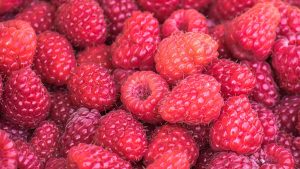
Types of Berries to Include
-
Blueberries
-
Raspberries
-
Strawberries
-
Blackberries
-
Cranberries (unsweetened)
These fruits are high in dietary fiber, antioxidants, and polyphenols—plant compounds that protect against inflammation and cellular damage.
Colon Health Benefits of Berries
-
Rich in antioxidants like anthocyanins that reduce oxidative stress in colon cells.
-
Help regulate digestive transit due to high water and fiber content.
-
Promote gut microbial balance through prebiotic effects.
-
May lower the risk of colorectal cancer, according to studies published in Nutrition and Cancer.
✅ Tip: Enjoy fresh berries with yogurt, in smoothies, or as a natural snack throughout the day.
3. Yogurt: The Power of Probiotics
What Makes Yogurt Special?
Yogurt, especially varieties with live and active cultures, contains probiotics—beneficial bacteria that help restore and maintain a healthy balance in the gut.
-
Contains Lactobacillus and Bifidobacterium strains.
-
A good source of calcium and vitamin D, both linked to lower colorectal cancer risk.
-
Offers protein and healthy fats.
Yogurt vs. Other Dairy Products
Unlike cheese or cream, yogurt is fermented, which enhances its digestibility and probiotic content. Fresh cheeses lack the live cultures necessary for digestive support and may even cause discomfort for those sensitive to lactose.
Colon Benefits of Yogurt
-
Improves gut flora and supports immune function.
-
Reduces inflammation in the gut lining.
-
Helps prevent diarrhea and constipation.
-
May contribute to a lower incidence of colon polyps.
✅ Tip: Choose plain, unsweetened Greek yogurt and add your own fruit or honey to avoid added sugars.
4. Nuts: Omega-3s and Prebiotic Fiber in One Snack
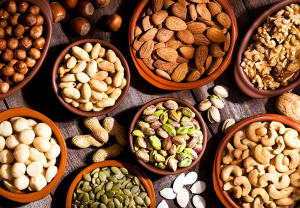
Best Nuts for Colon Health
-
Walnuts
-
Almonds
-
Pistachios
-
Pecans
Nuts contain healthy fats, particularly omega-3 fatty acids, which have been linked to reduced inflammation throughout the body, including in the colon. They also offer prebiotic fiber that promotes beneficial bacterial growth.
How Nuts Improve Colon Health
-
Reduce gut inflammation thanks to omega-3s.
-
Support bowel regularity with dietary fiber.
-
Provide antioxidants and phytosterols that may help prevent colon cancer.
-
Lower cholesterol and inflammation markers, benefiting overall gut and heart health.
✅ Tip: Add a small handful of unsalted nuts to oatmeal, salads, or snack mixes.
5. Legumes: The Fiber Champions for Digestive Health
What Are Legumes?
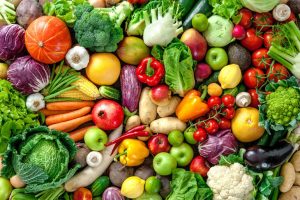
Legumes include:
-
Beans (black, kidney, navy, pinto)
-
Lentils
-
Chickpeas
-
Peas
These plant-based protein sources are rich in soluble and insoluble fiber, resistant starches, and polyphenols.
Colon Health Benefits of Legumes
-
Stimulate bowel movement and prevent constipation.
-
Feed healthy gut bacteria, enhancing microbiome diversity.
-
Reduce colon inflammation through anti-inflammatory compounds.
-
Help lower colon cancer risk by reducing carcinogenic bile acid levels.
A study published in The Journal of Nutrition found that individuals who consumed legumes at least four times a week had significantly lower rates of colorectal cancer.
✅ Tip: Include beans or lentils in soups, stews, salads, or use them to replace meat in tacos and burgers.
Putting It All Together: Tips for a Colon-Healthy Diet
1. Prioritize Whole, Unprocessed Foods
Refined carbohydrates, sugary snacks, and processed meats can disrupt the gut microbiome and increase inflammation. Opt instead for whole foods high in natural fiber and nutrients.
2. Stay Hydrated
Water is essential for fiber to do its job. Without adequate hydration, fiber can lead to bloating and constipation instead of promoting regularity.
3. Eat a Variety of Plant-Based Foods
Diversifying your plant intake increases the range of beneficial bacteria in your gut and supports long-term colon health.
4. Avoid Unnecessary Antibiotics
Overuse of antibiotics can disrupt the gut flora, harming colon health. Take them only when medically necessary and follow with a probiotic regimen if advised by your doctor.
Conclusion: A Healthier Colon Begins with Your Plate
Improving your colon health doesn’t require drastic dietary changes—just a mindful inclusion of nutrient-rich, fiber-filled foods. Avocados, berries, yogurt, nuts, and legumes are not only delicious but also packed with components that help cleanse, nourish, and protect your colon.
Whether your goal is to prevent digestive discomfort, reduce your risk of colorectal diseases, or simply feel lighter and more energized, your journey begins in the kitchen. By making these five foods staples in your daily meals, you’re taking significant steps toward better colon health—and overall wellness.
The Natural Secret to Better Sleep