
 By admin
Exploring the Elegance of Fashion in Romania: A Fusion of Tradition and Modernity
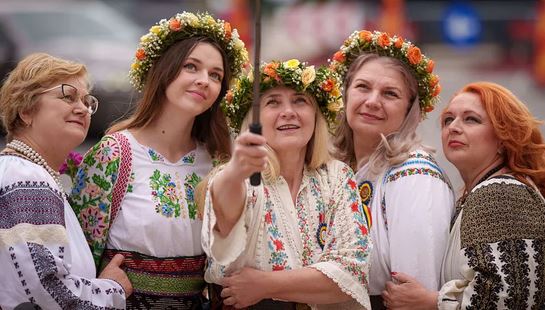
Fashion in Romania reflects the country’s rich cultural heritage, blending traditional influences with contemporary trends. This Eastern European nation boasts a dynamic fashion industry that draws inspiration from its vibrant folklore, historical roots, and the global fashion scene. From intricately embroidered blouses to cutting-edge designs by modern Romanian fashion houses, the country’s sartorial landscape is a testament to its artistic creativity and evolving style.
In this article, we delve into the evolution of Romanian fashion, highlighting its traditional garments, emerging designers, and the role of sustainability in shaping its future. Let us take you on a journey through Romania’s unique fashion scene.
The Roots of Romanian Fashion: Traditional Attire
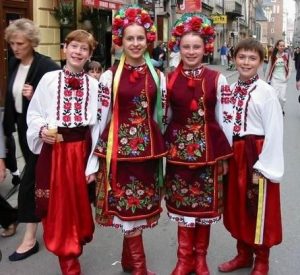
Traditional Romanian clothing is a cornerstone of the nation’s cultural identity. Each region of Romania—Moldova, Transylvania, Wallachia, and Maramureș—has its distinct style, characterized by unique patterns, colors, and motifs. These garments were historically crafted to reflect local customs, occupations, and environmental influences.
The Ie: Romania’s Iconic Embroidered Blouse
The “ie,” a traditional Romanian blouse, is perhaps the most iconic garment in the country’s fashion heritage. Made from linen or cotton, the ie is adorned with intricate embroidery that often features geometric or floral patterns. These designs are deeply symbolic, representing fertility, protection, and nature. Traditionally worn as part of a complete outfit with a skirt or apron, the ie has transcended its folkloric origins to become a modern fashion statement.
Other Traditional Garments
- Fote and Zadii: These are wrap-around skirts that vary in design and length, often paired with aprons.
- Cămăși: Traditional shirts worn by men, featuring embroidery along the collar and cuffs.
- Opinci: Leather footwear fastened with laces, commonly worn in rural areas.
- Vests and Coats: Elaborate woolen garments like the “cojoc” are both functional and decorative, showcasing detailed embroidery and fur trims.
The Modern Evolution of Romanian Fashion
Romania’s fashion scene has undergone a significant transformation over the past few decades, evolving from traditional influences to embrace modernity and international trends. The fall of communism in 1989 marked a turning point, allowing Romanian designers to explore new creative directions and connect with the global fashion community.
Emerging Romanian Designers
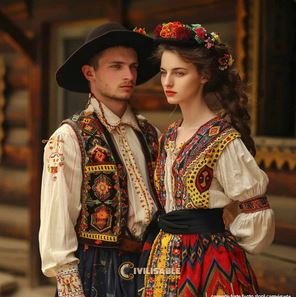
Romania has produced a wealth of talented designers who are gaining recognition both locally and internationally. These creatives are redefining the country’s fashion identity by merging traditional craftsmanship with avant-garde aesthetics. Some notable names include:
- Maria Lucia Hohan: Known for her ethereal dresses and luxurious fabrics, Hohan’s designs have graced international red carpets.
- Ioana Ciolacu: This award-winning designer combines architectural influences with sustainability, creating innovative collections that challenge conventional fashion norms.
- Andreea Bădală (Murmur): Famous for her lingerie-inspired ready-to-wear pieces, Bădală’s brand exudes elegance and sensuality.
- Irina Schrotter: A veteran in the industry, Schrotter specializes in sophisticated, minimalist designs for the modern woman.
Fashion Week and Industry Events
Bucharest Fashion Week and Feeric Fashion Week are two major events that showcase Romanian talent and attract international attention. These platforms provide emerging designers with opportunities to present their collections and connect with buyers, media, and fashion enthusiasts.
The Role of Folklore in Contemporary Fashion
Romanian designers often draw upon their heritage for inspiration, incorporating traditional elements into modern collections. This fusion of old and new is evident in:
- Embroidery and Motifs: Traditional patterns are reimagined in contemporary designs, appearing on dresses, jackets, and accessories.
- Handcrafted Techniques: Many designers emphasize artisanal craftsmanship, preserving age-old techniques like weaving and beading.
- Cultural Narratives: Collections often tell stories rooted in Romanian folklore, celebrating the country’s myths, legends, and natural beauty.
Sustainability and Ethical Fashion in Romania
As the global fashion industry grapples with environmental challenges, Romanian designers and brands are embracing sustainability. This movement is gaining momentum, driven by a growing awareness of ethical practices and environmental responsibility.
Sustainable Practices in Romanian Fashion
- Upcycling and Recycling: Designers are repurposing old garments and materials to create new pieces, reducing waste and promoting circular fashion.
- Eco-Friendly Fabrics: Many brands are turning to organic and locally sourced materials, such as hemp and wool, to minimize their ecological footprint.
- Slow Fashion: Emphasizing quality over quantity, slow fashion encourages consumers to invest in timeless, durable pieces.
Notable Sustainable Brands
- Patzaikin: This brand combines traditional craftsmanship with modern design, focusing on eco-friendly materials and processes.
- Bluzat: Known for minimalist, versatile clothing, Bluzat prioritizes ethical production and sustainability.
- Atelier Merci: A socially conscious brand that supports underprivileged communities through its production practices.
Fashion and Technology in Romania
Technology is playing an increasingly important role in shaping Romania’s fashion industry. From e-commerce platforms to virtual fashion shows, digital innovation is helping designers reach wider audiences and streamline production processes.
The Rise of Online Retail
Romanian consumers are embracing online shopping, with platforms like Fashion Days, Molecule F, and ANSWEAR catering to their growing demand for convenient and diverse options. Many local designers also sell directly through their websites and social media channels, leveraging digital marketing to build their brands.
3D Printing and Smart Textiles
Innovative technologies like 3D printing and smart textiles are gaining traction among Romanian designers. These advancements enable the creation of unique, customizable pieces while reducing material waste.
The Future of Romanian Fashion
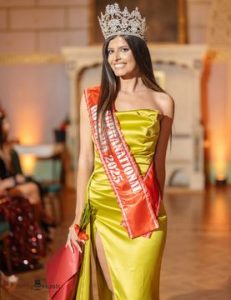
The future of fashion in Romania looks promising, driven by a combination of creativity, cultural pride, and a commitment to sustainability. Key trends shaping the industry include:
- Global Collaboration: Romanian designers are increasingly collaborating with international brands and artists, expanding their influence beyond national borders.
- Youth Influence: A new generation of designers and consumers is pushing for bolder, more experimental styles that challenge traditional norms.
- Cultural Revival: As interest in traditional crafts and folklore grows, more designers are incorporating these elements into their collections, preserving Romania’s cultural heritage.
- Digital Transformation: Technology will continue to revolutionize the industry, offering new ways to design, produce, and market fashion.
Conclusion
Fashion in Romania is a captivating blend of tradition and innovation. From the timeless elegance of the ie to the avant-garde creations of modern designers, the country’s sartorial landscape reflects its rich cultural heritage and forward-thinking spirit. As Romanian fashion continues to evolve, it remains a powerful expression of identity, creativity, and resilience.
Whether you are exploring the streets of Bucharest or attending a fashion week event, Romania’s unique style is sure to leave a lasting impression. Embrace the journey, and discover the beauty of a nation where tradition meets modernity in every stitch and silhouette.