
 By admin
Introduction
Few brands in the world evoke luxury, heritage, and aspiration as powerfully as Louis Vuitton. Recognized instantly by its iconic monogram and synonymous with prestige, craftsmanship, and global influence, the brand stands today as one of the most valuable luxury houses on the planet. Yet behind the polished storefronts and celebrity endorsements lies a deeply human story—one rooted in hardship, resilience, and relentless innovation.
The story of Louis Vuitton is not merely the evolution of a fashion brand; it is the embodiment of
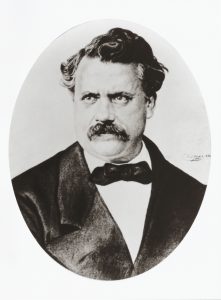
the classic from-rags-to-riches narrative, shaped by perseverance and vision. Born into modest circumstances in 19th-century France, Louis Vuitton transformed personal adversity into a revolutionary approach to travel, craftsmanship, and design. His journey mirrors the broader transformation of luxury itself—from practical necessity to cultural symbol.
This article explores the remarkable rise of Louis Vuitton, tracing its origins, pivotal innovations, challenges, and its evolution into a global luxury empire. It bridges historical foundations with modern brand strategy, revealing why Louis Vuitton continues to dominate the luxury industry in the 21st century.
1. Early Life: Hardship as the Foundation of Genius
1.1 A Modest Beginning in Rural France
Louis Vuitton was born in 1821 in Anchay, a small village in eastern France. Orphaned at a young age after the death of his mother and burdened by a strained relationship with his stepmother, Louis experienced instability early in life. Formal education was limited, and economic opportunity was scarce.
At just 13 years old, Vuitton made a life-defining decision: he would walk to Paris in search of opportunity. The journey—over 400 kilometers—took nearly two years, during which he worked odd jobs and slept wherever he could. This period of hardship forged the resilience and independence that would later define his entrepreneurial spirit.
1.2 Arrival in Paris: Learning the Art of Craftsmanship
When Louis finally arrived in Paris in 1837, the city was the epicenter of culture, craftsmanship, and industrial change. He became an apprentice to Monsieur Maréchal, a respected layetier-emballeur—a professional packer and box maker for the elite.
This trade demanded precision, discretion, and innovation. Vuitton quickly distinguished himself by understanding not only how to pack possessions, but how people traveled and what they needed. He learned that luxury was not just beauty—it was function elevated by skill.
2. Reinventing Travel: The Birth of a Revolutionary Product
2.1 The Flat-Top Trunk: A Game-Changer
In 1854, Louis Vuitton founded his own workshop near the Place Vendôme. At the time, most travel trunks had rounded tops to repel rainwater, making them difficult to stack. Vuitton introduced the flat-top trunk, crafted from lightweight yet durable materials.
This innovation revolutionized travel. Flat trunks could be stacked easily on trains and steamships, perfectly aligning with the rapidly expanding transportation networks of the Industrial Revolution. Practicality met elegance—and a new standard was born.
2.2 Serving the Elite: From Nobility to Empress
Vuitton’s reputation grew rapidly among Parisian elites. His most prestigious client was Empress Eugénie, wife of Napoleon III, who appointed him as her personal box maker. This endorsement elevated Vuitton from a skilled craftsman to a symbol of refined luxury.
The brand’s association with royalty and high society established trust, prestige, and exclusivity—three pillars that remain central to Louis Vuitton’s identity today.
3. Protecting Innovation: The Fight Against Counterfeiting
3.1 Early Success Brings Imitation
As Vuitton’s trunks gained popularity, imitation followed. Counterfeiters copied designs and materials, threatening both reputation and revenue. Rather than retreat, Vuitton responded strategically.
3.2 The Birth of the Iconic Monogram
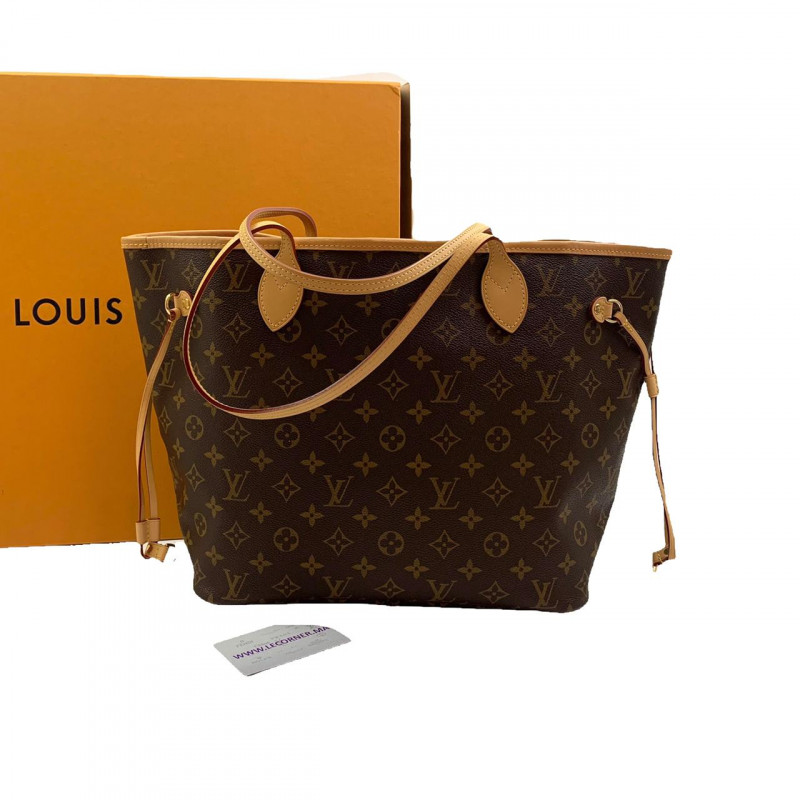
To combat forgery, the company introduced distinctive patterns, culminating in the LV Monogram Canvas in 1896 under Georges Vuitton, Louis’s son. Featuring interlocking initials and floral motifs inspired by Japanese design, the monogram became one of the most recognizable symbols in the world.
Ironically, what began as an anti-counterfeiting measure evolved into a universal emblem of status, craftsmanship, and luxury branding.
4. Passing the Torch: From Family Business to Global Vision
4.1 Georges Vuitton and Global Expansion
After Louis Vuitton’s death in 1892, his son Georges expanded the business internationally. Stores opened in London, New York, and beyond, introducing European luxury to global markets.
Georges also pioneered legal protections for design and branding, reinforcing the company’s commitment to intellectual property—an approach still central to modern luxury strategy.
4.2 Surviving Turbulent Times
The early 20th century brought global upheaval, including two World Wars and economic depression. Travel patterns changed, materials were scarce, and markets were disrupted. Yet Louis Vuitton endured by adapting its product lines and maintaining uncompromising quality.
Survival during this period proved that the brand was not dependent on trends—it was built on enduring values.
5. The Modern Empire: From Trunks to a Global Luxury Powerhouse
5.1 Navigating the 20th Century
The post-war era transformed consumer culture. As air travel replaced steamships, traditional trunks declined in relevance. Louis Vuitton responded by expanding into handbags, leather goods, and accessories.
A defining moment came in 1987 with the formation of LVMH (Moët Hennessy Louis Vuitton) through a strategic merger. This created the world’s largest luxury conglomerate, providing unmatched scale, financial strength, and global reach.
5.2 The Fashion Revolution
In 1997, Marc Jacobs was appointed Artistic Director, marking a turning point. He launched the brand’s first ready-to-wear collections and initiated groundbreaking collaborations with contemporary artists such as Stephen Sprouse and Takashi Murakami.
Later, designers like Nicolas Ghesquière redefined women’s fashion with futuristic silhouettes, while Virgil Abloh brought streetwear, diversity, and cultural commentary into luxury menswear. These creative shifts positioned Louis Vuitton at the intersection of fashion, art, and youth culture.
5.3 Sustaining Value in the 21st Century
Today, Louis Vuitton sustains its dominance through a delicate balance:
- Heritage and Craftsmanship: Artisans at Asnières and specialized ateliers preserve traditional techniques.
- Innovation and Scarcity: Limited editions, exclusive drops, and artistic collaborations maintain desirability.
- Cultural Relevance: Engagement with architecture, sports, music, and digital platforms ensures global resonance.
- Digital Luxury: E-commerce, NFTs, gaming collaborations, and immersive experiences extend the brand into new spaces.
6. Louis Vuitton as a Cultural Symbol
6.1 Beyond Fashion
Louis Vuitton is no longer just a fashion house—it is a cultural institution. Its Fondation Louis Vuitton in Paris supports contemporary art and architecture, reinforcing the brand’s role as a patron of culture.
From red carpets to hip-hop lyrics, LV represents ambition, success, and global identity.
6.2 The Psychology of Luxury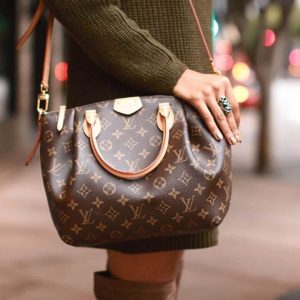
What makes Louis Vuitton endure is emotional connection. Consumers do not simply buy products—they buy stories, heritage, and belonging. Each item represents aspiration shaped by history.
Conclusion: The Legacy of a Journey
The story of Louis Vuitton is more than corporate success—it is a testament to the power of vision born from adversity. The boy who walked to Paris embedded resilience, adaptability, and craftsmanship into the DNA of his brand.
From homelessness to serving an empress, from handcrafted trunks to a global luxury empire, Louis Vuitton transformed function into art and necessity into desire. Every monogram piece carries not just a pattern, but a narrative of perseverance, innovation, and purpose.
In a world dominated by fleeting trends, Louis Vuitton’s endurance reminds us that true luxury is built not on excess, but on meaning, mastery, and the courage to imagine something better. One perfect stitch at a time.
The Art of Choosing the Right Fashion Store