
 By admin
Introduction: The Art of Choosing the Right Fashion Store
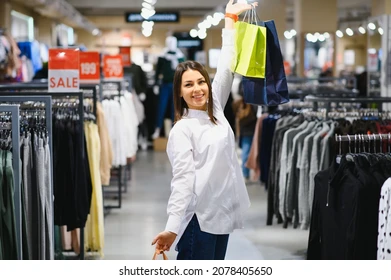
Fashion is more than just clothing—it’s a reflection of personality, lifestyle, and confidence. In 2025, with the explosion of e-commerce, influencer marketing, and sustainable fashion, choosing the right fashion store has become both easier and more complex. Whether you are revamping your wardrobe, exploring eco-conscious brands, or seeking the latest runway-inspired looks, knowing where and how to shop is crucial.
Selecting the perfect fashion store isn’t just about finding clothes—it’s about finding your style identity, understanding your values, and making informed purchasing decisions. This guide will walk you through how to choose the best fashion store for your needs, both online and offline, by exploring essential factors like price, quality, size inclusivity, trends, sustainability, and customer experience.
1. Understanding Today’s Fashion Retail Landscape
1.1. The Transformation of Fashion Retail
Fashion retail has undergone a dramatic transformation over the past decade. The rise of digital fashion platforms, social media influence, and AI-driven personalization has redefined how people shop. Traditional malls have evolved into experience centers, while online stores offer virtual fitting rooms and AI styling suggestions.
In 2025, fashion is no longer about just what’s trending—it’s about accessibility, diversity, and ethical production. Choosing the right store means aligning with brands that reflect your style and values.
1.2. Online vs. Offline Fashion Shopping
When selecting a fashion store, one of the first decisions is whether to shop online or in person:
- Online Fashion Stores: These platforms—like ASOS, Zara Online, or Revolve—offer thousands of items, size filters, trend recommendations, and convenient delivery options. They often provide customer reviews and flexible return policies, making them ideal for trend-followers and busy shoppers.
- Offline (In-store) Shopping: Despite the rise of e-commerce, physical stores still offer advantages—like trying on clothes, getting personal styling advice, and experiencing fabric quality firsthand. Luxury fashion stores and boutique retailers often provide exclusive, personalized experiences that online stores can’t match.
Ultimately, a hybrid approach—researching online and purchasing in-store—can offer the best of both worlds.
2. Factors to Consider When Choosing the Perfect Fashion Store
2.1. Define Your Fashion Goals
Before diving into your shopping spree, define what you are looking for:
- Are you updating your work wardrobe or searching for casual essentials?
- Do you want designer pieces, streetwear, or minimalist basics?
- Are you focused on sustainable fashion or fast fashion affordability?
Knowing your purpose narrows your options and prevents impulse buying.
2.2. Assess Style Compatibility
Every fashion store has a distinct aesthetic. Some specialize in avant-garde street style, while others focus on timeless elegance. Browse online catalogs or visit stores to evaluate whether their offerings match your personality.
For instance: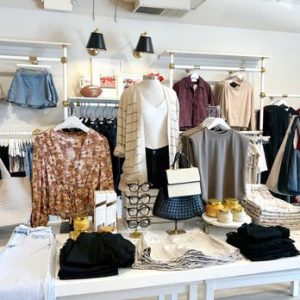
- Zara and H&M are perfect for trendy, affordable outfits.
- Everlane and Reformation are great for sustainable shoppers.
- Nordstrom and Bloomingdale’s offer a mix of luxury and mid-range options.
Choose a store that consistently provides designs aligned with your fashion sense.
2.3. Price and Budget Considerations
Fashion stores vary significantly in price range. While luxury brands like Gucci or Prada offer exclusivity and craftsmanship, fast fashion brands provide affordability and accessibility.
To shop wisely:
- Set a budget range before you start shopping.
- Look for seasonal sales, student discounts, or loyalty programs.
- Compare prices online using tools like Google Shopping or Honey.
Remember: expensive doesn’t always mean better quality. The best stores balance cost with durability, comfort, and ethical sourcing.
2.4. Size Inclusivity and Fit Options
In recent years, fashion inclusivity has gained momentum. Many modern fashion stores now embrace body positivity and offer extended size ranges.
When choosing a store:
- Check if they carry petite, tall, and plus-size collections.
- Look for brands that feature diverse models to better visualize fit.
- Explore stores offering virtual fitting technology to try outfits digitally before buying.
A perfect fashion store celebrates every body type and ensures that everyone feels confident in what they wear.
2.5. Product Quality and Material Transparency
Quality remains one of the most crucial factors when selecting a store. High-quality fabrics not only look better but also last longer, reducing waste.
To evaluate a store’s quality:
- Review the material composition (natural fabrics like cotton, linen, or silk last longer than synthetics).
- Check customer reviews about fabric durability and stitching.
- Research whether the store follows ethical production standards and avoids child labor or exploitative factories.
A trustworthy store will clearly display its sourcing and manufacturing details.
2.6. Sustainability and Ethical Practices
The future of fashion is sustainable. As climate concerns grow, consumers are gravitating toward eco-friendly brands that prioritize transparency, recycled materials, and fair wages.
When choosing your fashion store, ask:
- Does the brand use organic or recycled fabrics?
- Does it offer carbon-neutral shipping or second-hand resale programs?
- Are workers treated fairly and paid living wages?
Stores like Patagonia, Allbirds, and Stella McCartney lead the way in sustainable fashion. Supporting them helps create a more ethical fashion industry.
2.7. Customer Experience and Store Reputation
The best fashion stores offer more than just clothes—they provide experiences. Great customer service, responsive return policies, and personalized styling suggestions can enhance your shopping journey.
Before committing to a store:
- Read customer feedback on platforms like Trustpilot or Google Reviews.
- Check the return and exchange policy to ensure flexibility.
- Evaluate how responsive the store’s customer service team is.
Premium stores often provide loyalty rewards, free alterations, and styling advice, which can make a significant difference.
2.8. Location and Accessibility
If you prefer shopping in-store, consider proximity and accessibility. Local stores save travel time and support regional economies. However, if you’re searching for global trends, a bit of travel—or online ordering from international stores—can open new possibilities.
In 2025, many fashion stores offer omnichannel shopping, allowing you to buy online and pick up in-store, blending convenience with physical interaction.
3. Exploring Modern Fashion Store Options
3.1. Department Stores
Department stores like Nordstrom, Selfridges, and Galeries Lafayette provide access to multiple brands under one roof. They’re ideal for those who want variety and quality assurance.
3.2. Fast Fashion Chains
Brands like Zara, H&M, and Uniqlo specialize in trendy, budget-friendly styles updated weekly. While they’re convenient, be mindful of their environmental footprint.
3.3. Luxury Boutiques
If exclusivity and craftsmanship matter most, luxury boutiques from Chanel to Dior offer unmatched design and service—but at a premium price.
3.4. Sustainable Fashion Brands
Modern eco-friendly fashion labels such as Reformation, Everlane, and Eileen Fisher combine aesthetics with ethical production. These stores appeal to environmentally conscious shoppers seeking transparency and timeless design.
3.5. Online-Only Fashion Retailers
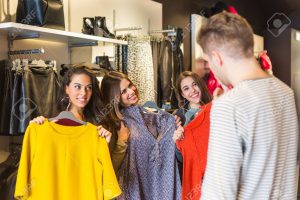
E-commerce giants like ASOS, Farfetch, and Net-a-Porter bring the global fashion scene to your screen. They provide wide selections, detailed size guides, and global shipping, making high fashion accessible worldwide.
4. Tips for Making the Smartest Choice
4.1. Do Thorough Research
Compare stores using reviews, blogs, and influencer recommendations. Social media platforms like Instagram and TikTok often showcase real-life try-ons and customer feedback.
4.2. Look for Store Loyalty Programs
Many stores reward repeat customers with discounts, early access to new collections, and birthday offers. This not only saves money but builds long-term satisfaction.
4.3. Prioritize Versatility
Choose fashion stores that sell items you can mix and match for multiple occasions. A good wardrobe balances professional, casual, and evening wear pieces.
4.4. Test Return Policies Before Committing
Try ordering one or two items first to assess delivery times and return efficiency. Stores with hassle-free returns are generally more trustworthy.
5. Future Trends in Fashion Shopping
5.1. Virtual Shopping and AI Stylists
Fashion technology continues to evolve, allowing customers to visualize outfits using augmented reality (AR) and receive style advice from AI-powered fashion assistants.
5.2. Subscription-Based Wardrobes
New models like Rent the Runway and Nuuly let shoppers rent luxury fashion items, supporting sustainability and reducing waste.
5.3. The Rise of Local and Artisanal Stores
As consumers seek authenticity, local designers and artisans are gaining prominence. These boutiques offer limited-edition pieces and handcrafted excellence.
Conclusion: Crafting Your Signature Style Through the Right Store
Choosing the perfect fashion store is an empowering process that connects your personal identity with global style. Whether you’re scrolling through digital boutiques or walking through local malls, the key lies in aligning your choices with your lifestyle, values, and vision of beauty.
In 2025, the best fashion stores are not just those with the trendiest clothes—they are the ones that respect people, the planet, and individuality. When you find the right one, it becomes more than a place to shop—it becomes a destination for inspiration.
Designer Handbags and Smart Discount Shopping