
 By admin
Introduction: The Timeless Allure of Basil
Basil, known scientifically as Ocimum basilicum, is one of the most beloved and widely used herbs in kitchens around the world. Its intoxicating aroma, warm flavor with a hint of anise, and its versatility have made it an essential ingredient across numerous cuisines—from Italian pasta sauces to Thai curries and Vietnamese pho. More than just a culinary delight, basil carries centuries of history, cultural symbolism, and even medicinal uses.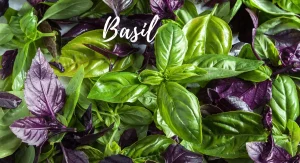
In this comprehensive guide, we’ll explore basil’s global culinary importance, health benefits, cultivation techniques, and preservation methods. Whether you’re a passionate home cook, a gardener looking for your next project, or simply a lover of flavorful food, understanding basil will deepen your appreciation of this remarkable herb.
The History and Origins of Basil
A Herb Steeped in Tradition
Basil’s story begins thousands of years ago in tropical regions of Asia and Africa. Historical records suggest that basil was first cultivated in India, where it was revered as a sacred plant associated with purity and protection. It later spread through trade routes to the Mediterranean, where it quickly became a cornerstone of European cooking—particularly in Italy and Greece.
Basil Across Cultures
- In Italy: Basil is a symbol of love and passion. The iconic Italian basil (Genovese) became the heart of dishes like pesto alla Genovese and Caprese salad.
- In Thailand: Varieties like Thai basil and holy basil (tulsi) are staples in spicy stir-fries, soups, and curries.
- In Vietnam: It’s an essential topping for pho, adding fragrance and depth.
- In Egypt and Africa: Basil was used in spiritual ceremonies and embalming rituals.
The spread of basil through trade, colonization, and culinary exchange has turned it into a global herb—one that unites cultures through flavor.
Culinary Uses of Basil Around the World
The Flavor Profile of Basil
Basil offers a delicate balance of sweetness and spiciness, with subtle notes of clove, pepper, and anise. The intensity and flavor vary among varieties—Italian basil is aromatic and sweet, while Thai basil is sharper and more licorice-like.
Classic Dishes Featuring Basil
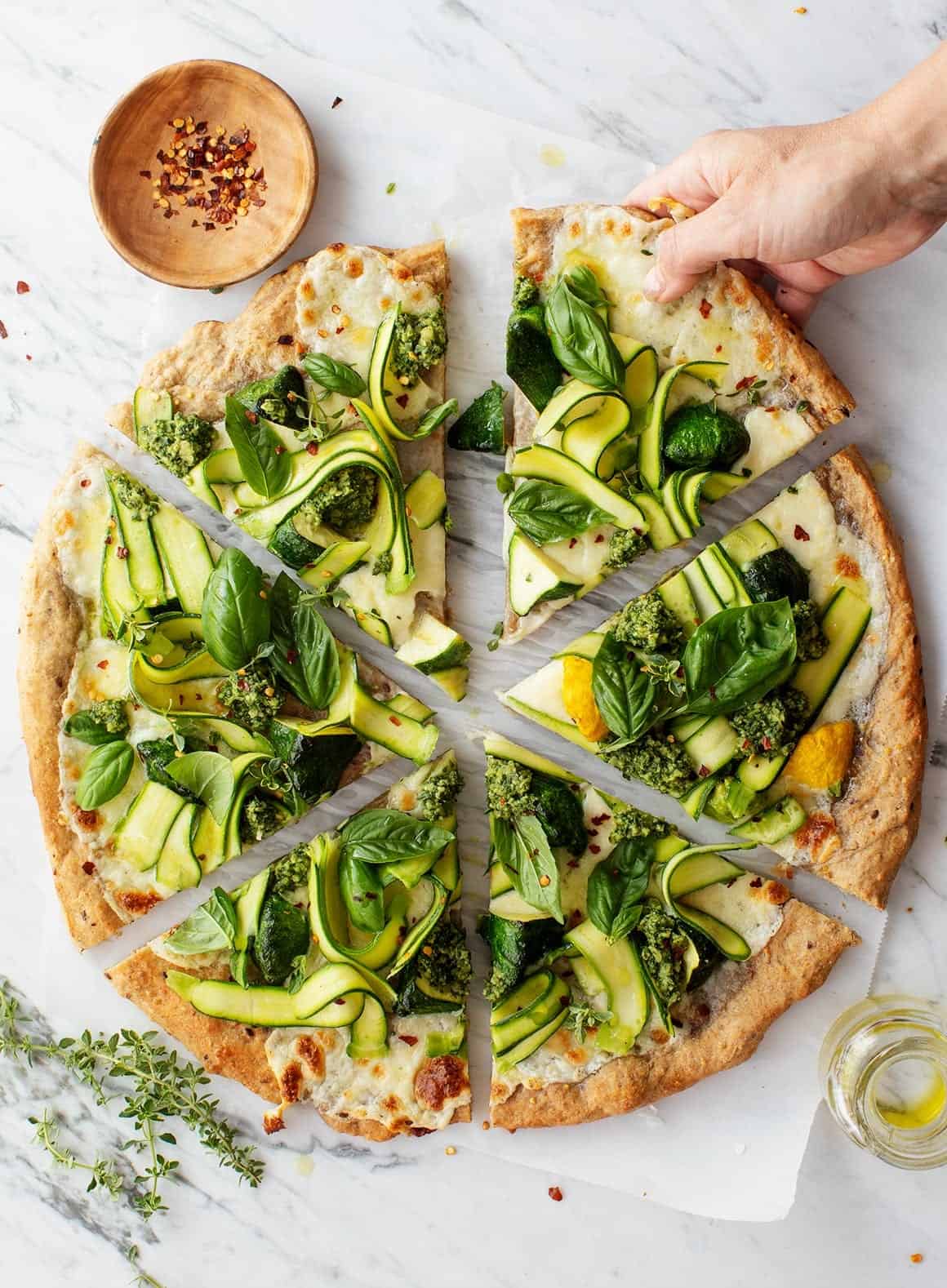
- Italian Cuisine: Basil’s partnership with tomatoes is legendary. From Caprese salads to slow-cooked pasta sauces, it defines Mediterranean freshness.
- Pesto: A blend of basil leaves, pine nuts, garlic, Parmesan cheese, and olive oil creates the world-famous green sauce. Known as pistou in France, pesto adds vibrant flavor to pasta, chicken, or vegetables.
- Asian Cuisine: In Thailand and Vietnam, basil complements spicy dishes and aromatic broths, balancing heat with freshness.
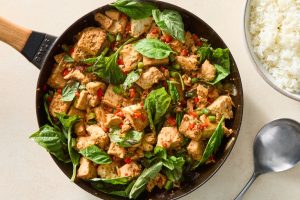
- Fusion Cooking: Today, chefs worldwide experiment with basil in cocktails, desserts, and infused oils—demonstrating its adaptability.
Pairing Basil with Other Ingredients
Basil pairs exceptionally well with tomatoes, mozzarella, garlic, olive oil, citrus, and seafood. In modern gastronomy, it’s also combined with strawberries, chocolate, and even gin for innovative dishes and drinks.
Health Benefits and Nutritional Value of Basil
A Treasure Trove of Nutrients
Beyond its culinary appeal, basil is rich in essential nutrients. Fresh basil leaves contain:
- Vitamin K, for healthy blood clotting
- Vitamin A and C, for immune support and skin health
- Manganese, magnesium, and iron, for metabolic balanceWhy the Atkins Diet Keeps You Satisfied
Antioxidant and Anti-Inflammatory Properties
Basil contains powerful antioxidants like flavonoids and polyphenols, which help combat oxidative stress and inflammation. The compound eugenol, also found in cloves, has been shown to have anti-inflammatory effects and can support cardiovascular health.
Digestive and Calming Effects
Basil has long been used in herbal medicine for its digestive properties. A tea made from basil leaves can help ease indigestion, bloating, and mild nausea. Holy basil (Ocimum tenuiflorum or tulsi) in particular is revered in Ayurvedic medicine for reducing stress and promoting mental clarity.
Natural Antimicrobial Activity
Studies have shown that basil essential oil has mild antibacterial and antifungal properties, helping inhibit common foodborne pathogens and potentially supporting oral health when used in mouthwashes or natural toothpaste formulations.
How to Grow Basil Successfully
Choosing the Right Conditions
Basil thrives in warm, sunny environments. Ideally, it should be grown where it receives at least six hours of sunlight daily. The soil must be fertile, well-drained, and slightly moist. Basil is a tender annual, meaning it does not tolerate frost.
Planting Basil
- From Seeds: Sow seeds indoors 6–8 weeks before the last frost, or directly in warm soil outdoors.
- From Cuttings: Basil can be easily propagated—simply place a cutting in water until roots form, then transplant it into soil.
Care and Maintenance
To keep basil lush and productive:
- Pinch off flower buds to encourage more leaf growth.
- Harvest regularly, which stimulates the plant to grow more.
- Avoid overwatering, as basil dislikes soggy roots.
- Use organic compost for nutrient-rich soil.
Growing Indoors
For year-round supply, basil can be grown indoors in pots placed near a sunny window or under grow lights. It’s a perfect herb for urban kitchens and small spaces.
Preserving Basil for Long-Term Use
Drying Basil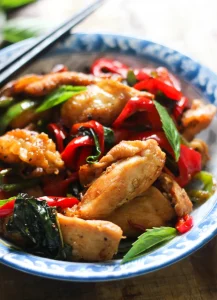
While drying is common, it often reduces basil’s vibrant flavor and color. If you do dry basil, do so at a low temperature (below 40°C or 104°F) to retain as much aroma as possible. Store dried leaves in airtight jars away from direct sunlight.
Freezing Basil
Freezing preserves both flavor and nutrients more effectively:
- Whole-leaf method: Blanch leaves briefly, pat dry, and freeze them flat.
- Ice-cube method: Blend basil with olive oil, pour into ice-cube trays, and freeze. Drop the cubes directly into soups, sauces, or stews for instant freshness.
Making Basil Paste or Oil
Blending basil with olive oil and storing it in sterilized jars is another efficient preservation technique. Basil-infused oils are perfect for drizzling over pizzas, salads, or grilled meats.
Popular Varieties of Basil
Sweet Basil (Genovese Basil)
The most widely used type in Italian cuisine, known for its sweet, slightly peppery taste and large, tender leaves. Perfect for pesto and tomato-based dishes.
Thai Basil
Has smaller leaves and a spicier, licorice-like aroma. It’s ideal for stir-fries, curries, and noodle dishes.
Holy Basil (Tulsi)
Sacred in Hindu culture and used extensively in Ayurvedic medicine. Its slightly peppery and clove-like flavor is distinct from sweet basil.
Lemon Basil and Cinnamon Basil
Hybrid varieties bred for specific aromas. Lemon basil adds citrus brightness to seafood and desserts, while cinnamon basil complements fruits and baked goods.
Purple Basil
Eye-catching and flavorful, with a mild clove-like taste. It’s popular in salads and for decorative culinary purposes.
Basil in Modern Cuisine and Lifestyle
From Farm to Table: The Fresh Revolution
In the modern era of healthy eating, fresh herbs like basil have gained renewed importance. Organic and locally grown basil is featured in farm-to-table restaurants and home kitchens emphasizing freshness and sustainability.
Basil in Beverages and Desserts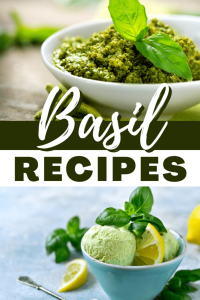
Innovative chefs and mixologists have expanded basil’s role into the world of desserts and drinks. Basil sorbet, basil lemonade, and basil-infused cocktails combine freshness with creativity.
Basil in Aromatherapy and Natural Living
Beyond the kitchen, basil essential oil is prized in aromatherapy for promoting alertness, relieving fatigue, and reducing anxiety. It’s also used in natural cleaning products and skincare formulations due to its antibacterial and soothing properties.
Common Problems and Solutions When Growing Basil
Pests and Diseases
Basil may be susceptible to aphids, whiteflies, or fungal diseases like downy mildew. To prevent these:
- Ensure good air circulation.
- Avoid watering leaves directly.
- Use natural pest repellents like neem oil or companion planting with marigolds.
Wilting or Yellowing Leaves
Often a sign of overwatering or poor drainage. Ensure the soil is moist but not soggy, and remove any affected leaves promptly.
Conclusion: A Leaf That Transcends Cuisines and Cultures
Basil is more than just an herb—it’s a global symbol of flavor, culture, and vitality. From Italian kitchens to Asian street markets, basil has become a bridge between culinary traditions. Its ability to enhance both simple and sophisticated dishes makes it an irreplaceable ingredient in modern cooking.
Growing and using basil connects us to nature’s rhythms, encouraging sustainability and self-sufficiency. Whether you use it for cooking, healing, or simply for its fragrance, basil remains a timeless companion in the world of herbs—one that enriches our plates, our gardens, and our lives.
Mastering Authentic Cajun Cuisine